
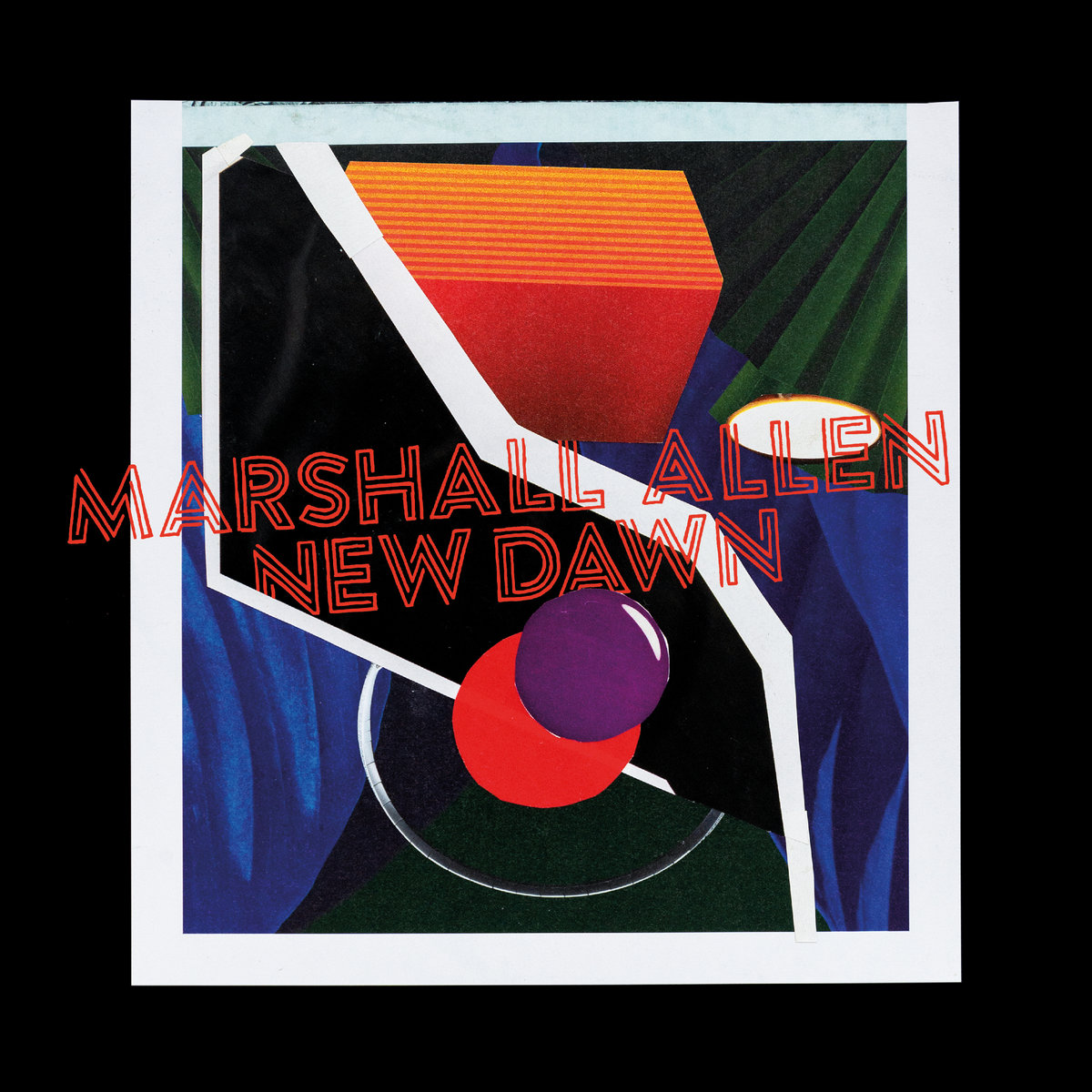
New Dawn by Marshall Allen: Album Review
New Dawn by Marshall Allen: Album Review
At 100 years old, Marshall Allen continues to defy expectations and push the boundaries of avant-garde jazz with his latest masterpiece, New Dawn. As the current leader of Sun Ra Arkestra and one of the most influential alto saxophonists in experimental music, Allen delivers an album that serves as both a retrospective journey and a bold statement about the future of cosmic jazz.
The Artist Behind the Vision
Marshall Allen’s musical journey spans over seven decades, making him one of the most enduring figures in free jazz and experimental music. His association with the legendary Sun Ra began in the 1950s, and since Ra’s passing in 1993, Allen has carried the torch of the Arkestra’s cosmic philosophy.
New Dawn represents more than just another album in Allen’s extensive discography—it’s a testament to the power of artistic longevity and creative evolution. The album showcases Allen’s remarkable ability to blend traditional jazz sensibilities with otherworldly sonic explorations that have become his trademark.
Musical Background and Influences
The influences on New Dawn are as vast as the cosmos itself:
• Sun Ra’s cosmic philosophy – The foundational element that permeates every track • Traditional African rhythms – Providing grounding for the more experimental passages
• Electronic soundscapes – Modern technology meeting ancient wisdom • Free jazz pioneers – Echoes of Ornette Coleman and Albert Ayler throughout • World music traditions – Global sounds woven into the fabric of each composition
Track-by-Track Analysis
Opening Movements: “Celestial Awakening”
The album opens with “Celestial Awakening,” a 12-minute opus that immediately establishes the cosmic tone of New Dawn. Allen’s alto saxophone enters like a call from another dimension, supported by layers of synthesizers and unconventional percussion instruments.
“The opening notes feel like watching the universe expand in real-time, with Allen’s saxophone serving as our guide through infinite space.”
The track builds gradually, incorporating:
- Electronic drones that create an otherworldly atmosphere
- Polyrhythmic percussion that defies conventional time signatures
- Collective improvisation featuring multiple Arkestra members
- Strategic use of silence that allows each sound to breathe and resonate
Mid-Album Explorations
“Saturn’s Dance” (Track 3)
This composition pays homage to Sun Ra’s fascination with Saturn while showcasing Allen’s mastery of extended techniques. The piece features innovative use of multiphonics and circular breathing, creating sounds that seem to emanate from the planet itself.
“Quantum Leap” (Track 5)
Perhaps the most accessible track on New Dawn, “Quantum Leap” bridges traditional jazz harmonies with the album’s experimental edge. The piece demonstrates how Allen can make the avant-garde approachable without compromising artistic integrity.
“Interstellar Blues” (Track 7)
A surprising addition to the album, this track strips away much of the cosmic instrumentation to focus on Allen’s raw saxophone tone. It’s a reminder that beneath all the experimental layers lies a master of the traditional jazz idiom.
Production and Sound Design
The production quality of New Dawn deserves special recognition. Recorded at various studios over the course of two years, the album maintains sonic cohesion while allowing each track its unique spatial characteristics.
Technical Achievements
- Spatial audio design – Each instrument occupies its own dimensional space
- Dynamic range preservation – Quiet passages remain intimate while climaxes soar
- Acoustic instrument clarity – Traditional instruments maintain their natural character
- Electronic integration – Synthesizers and effects blend seamlessly with acoustic sounds
- Master-level mixing – Every element serves the overall cosmic vision
The engineering team, led by producer James Blake (not the singer-songwriter), utilized cutting-edge recording techniques to capture the full spectrum of the Arkestra’s sonic palette. The result is an album that reveals new details with each listening session.
Thematic Elements and Cosmic Philosophy
New Dawn operates on multiple thematic levels, each contributing to the album’s overall impact:
Primary Themes
• Spiritual awakening – The album suggests a collective consciousness shift • Technological harmony – Ancient wisdom meeting modern innovation • Universal connectivity – Music as a language that transcends earthly boundaries • Temporal fluidity – Past, present, and future existing simultaneously • Collective creativity – Individual expression serving a greater artistic vision
The concept of New Dawn extends beyond mere musical exploration. Allen and his collaborators present a vision of humanity’s potential evolution, using sound as a vehicle for consciousness expansion. This philosophical depth elevates the album from experimental music to a form of sonic meditation.
Just as financial planning requires vision and adaptability, Allen’s approach to New Dawn demonstrates how artistic vision must evolve while maintaining core principles. The album’s investment in both traditional and experimental elements pays dividends across its 78-minute runtime.
Standout Performances and Collaborations
Notable Contributors
The success of New Dawn relies heavily on the exceptional performances of Arkestra members and guest artists:
Vincent Chancey – French horn
Chancey’s contributions add classical depth to the cosmic soundscape, particularly on “Nebula Waltz” where his melodic lines weave through Allen’s saxophone improvisations.
Tara Middleton – Vocals
Middleton’s ethereal vocals on “Universal Language” provide a human anchor amidst the album’s more abstract passages.
Knoel Scott – Percussion
Scott’s innovative percussion work throughout New Dawn creates rhythmic foundations that support rather than constrain the improvisational elements.
Guest Artist Highlights
The album features carefully selected guest musicians who enhance rather than overshadow the core Arkestra sound. Each collaboration feels organic and purposeful, contributing to the album’s overall narrative arc.
Cultural Impact and Reception
Since its release, New Dawn has garnered attention from both jazz purists and experimental music enthusiasts. The album’s reception highlights several important trends in contemporary music:
Critical Response Patterns
- Jazz publications have praised Allen’s continued innovation at his advanced age
- Electronic music magazines have noted the sophisticated integration of digital elements
- World music critics have highlighted the album’s global consciousness
- Academic reviewers have analyzed the work’s philosophical implications
- Popular music outlets have focused on the album’s accessibility despite its experimental nature
The Rolling Stone review particularly emphasized how New Dawn serves as both a culmination of Allen’s career and a blueprint for future experimental jazz projects.
Technical Innovation and Instrumentation
New Dawn showcases an impressive array of instruments and sonic techniques:
Traditional Jazz Instruments
• Alto saxophone (Allen’s primary voice) • Piano and electric keyboards • Acoustic and electric bass • Full drum kit and hand percussion • Trumpet and trombone sections
Experimental Elements
• Synthesizers and samplers – Creating otherworldly textures • Found objects – Everyday items transformed into musical instruments
• Extended techniques – Pushing traditional instruments beyond their normal limits • Electronic processing – Real-time manipulation of acoustic sounds • Field recordings – Environmental sounds integrated into compositions
The interplay between these diverse sonic elements creates the unique texture that defines New Dawn. Allen’s vision brings coherence to what could easily become chaotic, demonstrating masterful artistic control.
Legacy and Future Implications
New Dawn represents more than just another entry in Marshall Allen’s discography—it’s a statement about the continuing evolution of experimental music. The album’s success proves that innovation and tradition can coexist productively.
Influence on Contemporary Musicians
Young musicians studying New Dawn will find:
- Improvisation techniques that balance freedom with structure
- Composition methods that incorporate chance and intention equally
- Production approaches that serve artistic vision over commercial concerns
- Collaboration models that prioritize collective creativity
- Philosophical frameworks that view music as consciousness expansion
Final Assessment
New Dawn stands as a remarkable achievement in experimental jazz, demonstrating that artistic vision can transcend age and conventional boundaries. Marshall Allen has created an album that honors the cosmic jazz tradition while pointing toward future possibilities.
Strengths of New Dawn
• Artistic coherence despite experimental diversity • Technical excellence in both performance and production
• Philosophical depth that elevates the listening experience • Accessibility without compromising artistic integrity • Innovation that feels natural rather than forced
Minor Considerations
While New Dawn succeeds on virtually every level, some listeners may find:
- Certain passages challenging on first listen
- The 78-minute runtime demanding sustained attention
- Some electronic elements occasionally overwhelming acoustic instruments
These observations reflect the album’s ambitious scope rather than fundamental flaws.
Conclusion: A Cosmic Achievement
New Dawn confirms Marshall Allen’s position as one of experimental music’s most vital voices. At 100 years old, he continues to push boundaries and explore new sonic territories with the curiosity of a much younger artist.
The album succeeds because it balances innovation with wisdom, experimentation with accessibility, and individual expression with collective vision. New Dawn offers listeners a 78-minute journey through cosmic soundscapes that feel both familiar and completely alien.
For fans of experimental jazz, New Dawn represents essential listening. For newcomers to the genre, it provides an excellent entry point that demonstrates experimental music’s emotional and spiritual possibilities. For Marshall Allen himself, it stands as a crowning achievement in an already legendary career.
In an era of increasingly disposable music, New Dawn demands and rewards careful attention. It’s an album that reveals new dimensions with each listening session, confirming that truly great experimental music operates on multiple levels simultaneously.
Marshall Allen and the Sun Ra Arkestra have created something special with New Dawn—a work that honors the past while embracing the future, proving that cosmic jazz remains as relevant and powerful as ever. This is essential listening for anyone interested in music’s capacity to expand consciousness and explore the infinite possibilities of sound.
Rating: ★★★★★
Originally posted 2025-03-23 22:44:08.
Leave a Reply