
Singin’ in the Rain (1952): Movie Review
Singin’ in the Rain (1952): Movie Review
The Quintessential Hollywood Musical That Defined Cinema History
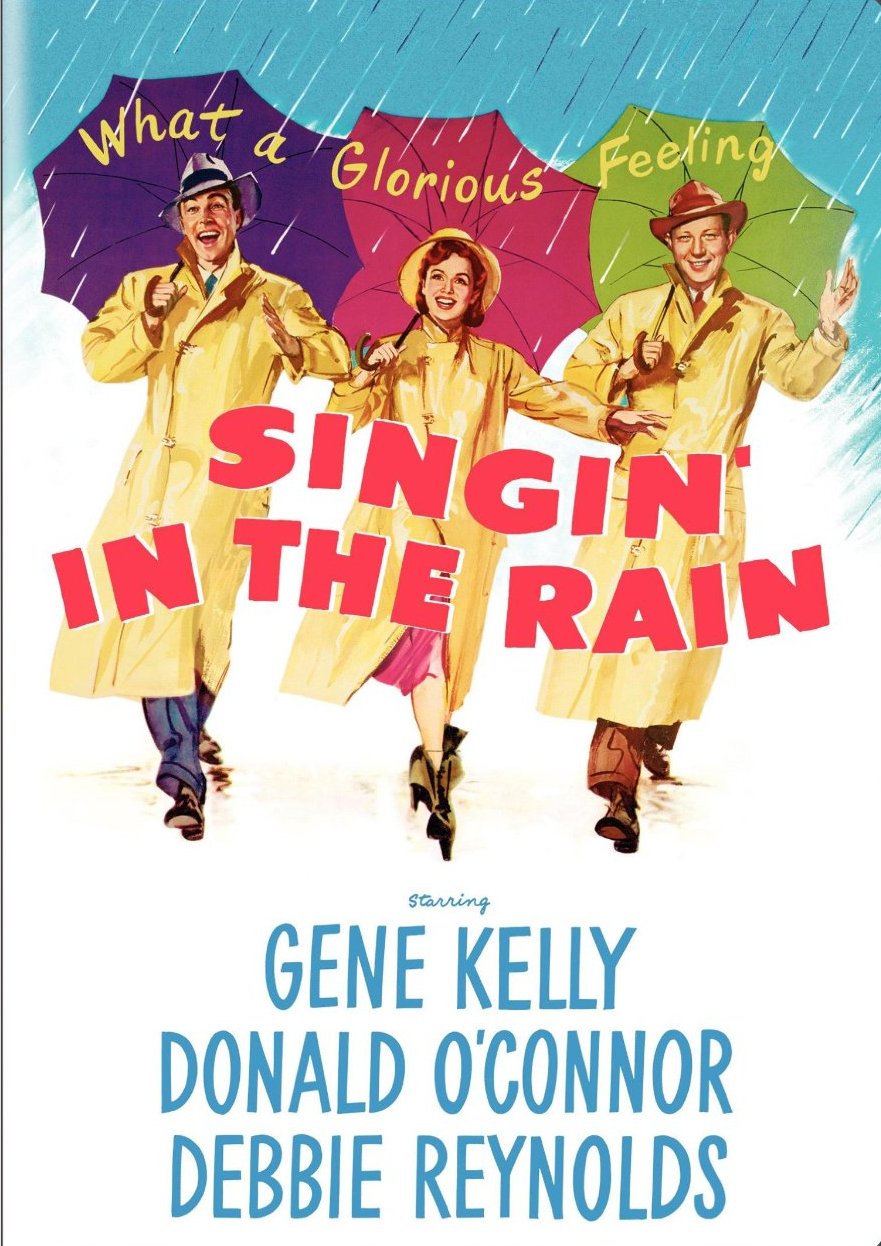
Singin’ in the Rain remains the crown jewel of American cinema, a transcendent musical that has captivated audiences for over seven decades. This 1952 masterpiece, directed by Gene Kelly and Stanley Donen, stands as the ultimate celebration of Hollywood’s golden age while serving as both love letter and gentle satire of the entertainment industry.
Overview: A Perfect Storm of Talent
Singin’ in the Rain follows the story of Don Lockwood (Gene Kelly), a silent film star who must navigate the treacherous waters of Hollywood’s transition to “talkies” in the late 1920s. When his latest film receives a disastrous reception due to his co-star Lina Lamont’s (Jean Hagen) grating voice, Don finds salvation in aspiring actress Kathy Selden (Debbie Reynolds), whose lovely voice becomes the secret weapon that saves both the film and Don’s career.
Key Production Details:
• Directors: Gene Kelly and Stanley Donen
• Starring: Gene Kelly, Donald O’Connor, Debbie Reynolds, Jean Hagen
• Release Date: April 11, 1952
• Runtime: 103 minutes
• Studio: Metro-Goldwyn-Mayer (MGM)
• Genre: Musical, Romance, Comedy
The Star-Studded Cast: Perfection in Performance
Gene Kelly: The Visionary Leading Man
Gene Kelly delivers what many consider the definitive performance of his illustrious career. As Don Lockwood, Kelly embodies the perfect blend of athleticism, charisma, and vulnerability. His legendary titular dance sequence, performed while literally singing in the rain, showcases Kelly’s unique ability to make the extraordinary appear effortless.
Kelly’s background as a trained dancer and choreographer elevated every scene he graced. Kelly later admitted that he had not been kind to Reynolds and was surprised that she was still willing to talk to him afterwards, demonstrating his perfectionist nature that ultimately contributed to the film’s excellence.
Debbie Reynolds: The Breakout Star
At just 19 years old, Debbie Reynolds delivered a career-defining performance as Kathy Selden. Despite having no formal dance training, Reynolds’ natural talent and determination shone through every number. Years later, she said “Singin’ in the Rain and childbirth were the two hardest things I ever had to do in my life.”
Reynolds’ portrayal of the ambitious yet humble chorus girl perfectly captured the spirit of Hollywood dreamers. Her chemistry with Kelly created some of cinema’s most romantic moments, particularly in the “You Were Meant for Me” sequence.
Donald O’Connor: The Comic Genius
Donald O’Connor’s portrayal of Cosmo Brown represents one of the greatest comedic performances in musical cinema history. His show-stopping “Make ‘Em Laugh” number remains a testament to physical comedy and athletic prowess. Donald O’Connor, a four-pack-a-day smoker at the time, had to stay in bed in the hospital for several days after filming the “Make ‘Em Laugh” sequence.
O’Connor’s ability to seamlessly blend humor, singing, and extraordinary acrobatics made him the perfect foil to Kelly’s romantic lead.
Jean Hagen: The Perfect Antagonist
Jean Hagen’s portrayal of Lina Lamont deserves special recognition for creating one of cinema’s most memorable comic villains. Her exaggerated Brooklyn accent and narcissistic personality provided the perfect contrast to Reynolds’ genuine character. Ironically, Hagen in fact had a perfectly acceptable voice, which everyone in Hollywood knew, making her Oscar-nominated performance even more impressive.
Musical Numbers: A Symphony of Spectacular Sequences
The Iconic Title Number
The film’s centerpiece, Kelly’s “Singin’ in the Rain” dance sequence, stands as perhaps the most recognizable moment in musical cinema. Kelly’s soaking-wet “Singin’ in the Rain” dance number is “the single most memorable dance number on film,” Peter Wollen wrote in a British Film Institute monograph.
The sequence perfectly captures the euphoria of new love through Kelly’s joyful splashing in puddles and swinging from lampposts. What makes this number even more remarkable is that Gene Kelly had a bad cold and a fever while performing the iconic “Singin’ in the Rain” dance number.
“Make ‘Em Laugh”: Physical Comedy Perfection
O’Connor’s solo number showcases his vaudeville background and incredible physical abilities. The routine includes his famous wall-running somersault, a trick that required extraordinary athleticism and precise timing.
“Good Morning”: The Ultimate Trio
The energetic “Good Morning” number featuring all three leads demonstrates the infectious joy that permeates Singin’ in the Rain. The four-minute song-and-dance number featuring all three of the film’s stars (Kelly, Reynolds, and Donald O’Connor) took 15 hours to get right. By the end, Reynolds’ feet were bleeding and she could barely move.
“Broadway Melody Ballet”: Artistic Ambition
The extended fantasy sequence with Kelly and Cyd Charisse showcases the film’s artistic aspirations. While some critics debate its necessity to the plot, this elaborate number demonstrates the creative possibilities of the musical genre.
Technical Excellence: Craftsmanship at Its Finest
Cinematography and Color
Singin’ in the Rain showcases MGM’s mastery of Technicolor cinematography. Every frame bursts with vibrant colors that enhance the film’s joyful atmosphere. The rain effects, created using practical techniques, remain convincing even by today’s standards.
Costume Design and Production Values
The film’s costume design perfectly captures both the 1920s setting and the glamour of Hollywood’s golden age. From Lina’s elaborate gowns to the simple elegance of Kathy’s outfits, every costume choice serves the story and characters.
Sound Design Innovation
Given the film’s plot about the transition to sound films, the audio design carries special significance. The contrast between clear, crisp dialogue and the intentionally poor sound quality in the film-within-a-film sequences demonstrates remarkable technical sophistication.
Cultural Impact and Legacy
Critical Acclaim and Recognition
Singin’ in the Rain has consistently ranked among the greatest films ever made:
- AFI’s Greatest Movie Musicals: Ranked #1
- AFI’s 100 Greatest American Films: Ranked 5th (2007 edition)
- Sight & Sound Critics’ Poll: Ranked 10th greatest film of all time (2022)
- National Film Registry: Selected for preservation in 1989
It topped the AFI’s Greatest Movie Musicals list, ranked as the fifth-greatest American motion picture of all time in its updated list of the greatest American films in 2007.
Influence on Modern Cinema
The film’s influence extends far beyond the musical genre. Modern filmmakers continue to reference and homage Singin’ in the Rain in their work. From La La Land to various television productions, the film’s DNA can be found throughout contemporary entertainment.
Educational Value
Understanding the film industry requires studying Singin’ in the Rain. For those interested in exploring entertainment business fundamentals, resources like HablemosMoney provide valuable insights into the financial aspects of show business that complement the artistic appreciation of films like this masterpiece.
Behind the Scenes: Production Insights
The Challenge of Innovation
Creating Singin’ in the Rain required solving numerous technical challenges. The famous rain scene used milk mixed with water to make the droplets more visible on camera. The elaborate sets and choreography demanded precise coordination between multiple departments.
Creative Collaboration
The partnership between Kelly and Donen represented the perfect fusion of different talents. Kelly brought his dance expertise and star power, while Donen contributed his directorial vision and technical knowledge.
Musical Arrangements
Only two original songs that were composed for the film were “Make ‘Em Laugh” and “Moses Supposes”. The rest of the soundtrack drew from existing MGM catalog songs, demonstrating how creative recycling can produce extraordinary results.
Themes and Social Commentary
Hollywood’s Evolution
Singin’ in the Rain serves as both historical document and artistic commentary on the entertainment industry’s constant evolution. The transition from silent films to “talkies” mirrors later technological shifts in cinema history.
Love and Authenticity
The romantic subplot between Don and Kathy emphasizes themes of authenticity versus artifice. Kathy represents genuine talent and integrity, contrasting sharply with Lina’s manufactured stardom.
The Price of Perfection
Behind the film’s joyful exterior lies a meditation on the demanding nature of show business. The grueling rehearsal processes and personal sacrifices required for artistic excellence become subtextual elements that add depth to the entertainment.
Modern Relevance and Timeless Appeal
Why It Still Matters
Singin’ in the Rain remains relevant because it captures universal themes about following dreams, adapting to change, and finding love amidst professional challenges. The film’s optimistic outlook provides comfort during uncertain times.
Technical Innovation
The film pioneered techniques in musical cinema that continue to influence modern productions. From seamless integration of songs into narrative to innovative camera movements during dance numbers, Singin’ in the Rain established templates still used today.
Cultural Touchstone
References to Singin’ in the Rain appear throughout popular culture, from television shows to Broadway productions. The film serves as a common cultural reference point that transcends generational boundaries.
Critical Analysis: Strengths and Minor Weaknesses
Unparalleled Strengths
• Perfect casting: Every performer delivers career-best work
• Seamless integration: Songs and dances feel organic to the story
• Technical mastery: Cinematography, sound, and choreography achieve perfection
• Timeless themes: Universal appeal that transcends its specific historical setting
• Pure entertainment value: Consistent joy and energy throughout
Minor Considerations
While Singin’ in the Rain achieves near-perfection, some modern viewers might find:
• The “Broadway Melody Ballet” sequence slightly overlong • Certain comedic moments tied to their specific era • The film’s relentless optimism occasionally unrealistic
However, these minor quibbles pale in comparison to the film’s overwhelming artistic achievement.
Awards and Recognition
Contemporary Accolades
Singin’ in the Rain received modest recognition during its initial release:
• Golden Globe Award: Donald O’Connor – Best Actor in a Musical or Comedy • Writers Guild Award: Betty Comden and Adolph Green – Best Written American Musical
• Academy Award Nomination: Jean Hagen – Best Supporting Actress
Historical Recognition
The film’s true recognition came in subsequent decades:
• National Film Registry selection (1989) • AFI’s multiple “greatest” lists appearances • International critical acclaim in various polls and surveys
For deeper exploration of Hollywood’s golden age economics and industry practices, Turner Classic Movies provides excellent historical context that enhances appreciation of films like Singin’ in the Rain.
Final Verdict: A Masterpiece for the Ages
Singin’ in the Rain transcends its genre to become something rarer: a perfect film. Every element—from Kelly’s charismatic performance to the innovative choreography, from Reynolds’ fresh charm to O’Connor’s comic genius—combines to create an experience of pure cinematic joy.
The film succeeds simultaneously as entertainment, art, and historical document. It captures a specific moment in Hollywood history while telling a timeless story about love, ambition, and the transformative power of art. Singin’ in the Rain proves that the best musicals don’t just feature great songs and dances; they use music and movement to express universal human emotions.
More than seven decades after its release, Singin’ in the Rain continues to inspire filmmakers, entertain audiences, and remind us why we fell in love with movies in the first place. In an era of cynicism and digital effects, this film’s handcrafted joy and authentic performances feel more precious than ever.
Rating: ★★★★★ (5/5 Stars)
Singin’ in the Rain isn’t just the greatest musical ever made—it’s one of the greatest films ever made, period. Essential viewing for anyone who loves cinema.
“This exuberant and malicious satire of Hollywood in the late 20s…is probably the most enjoyable of all American movie musicals.” – Pauline Kael
Singin’ in the Rain remains the gold standard by which all other musicals are measured, a joyful celebration of human creativity that will continue enchanting audiences for generations to come.
Leave a Reply