
Civil War (2024): Movie Review
Civil War (2024): Movie Review
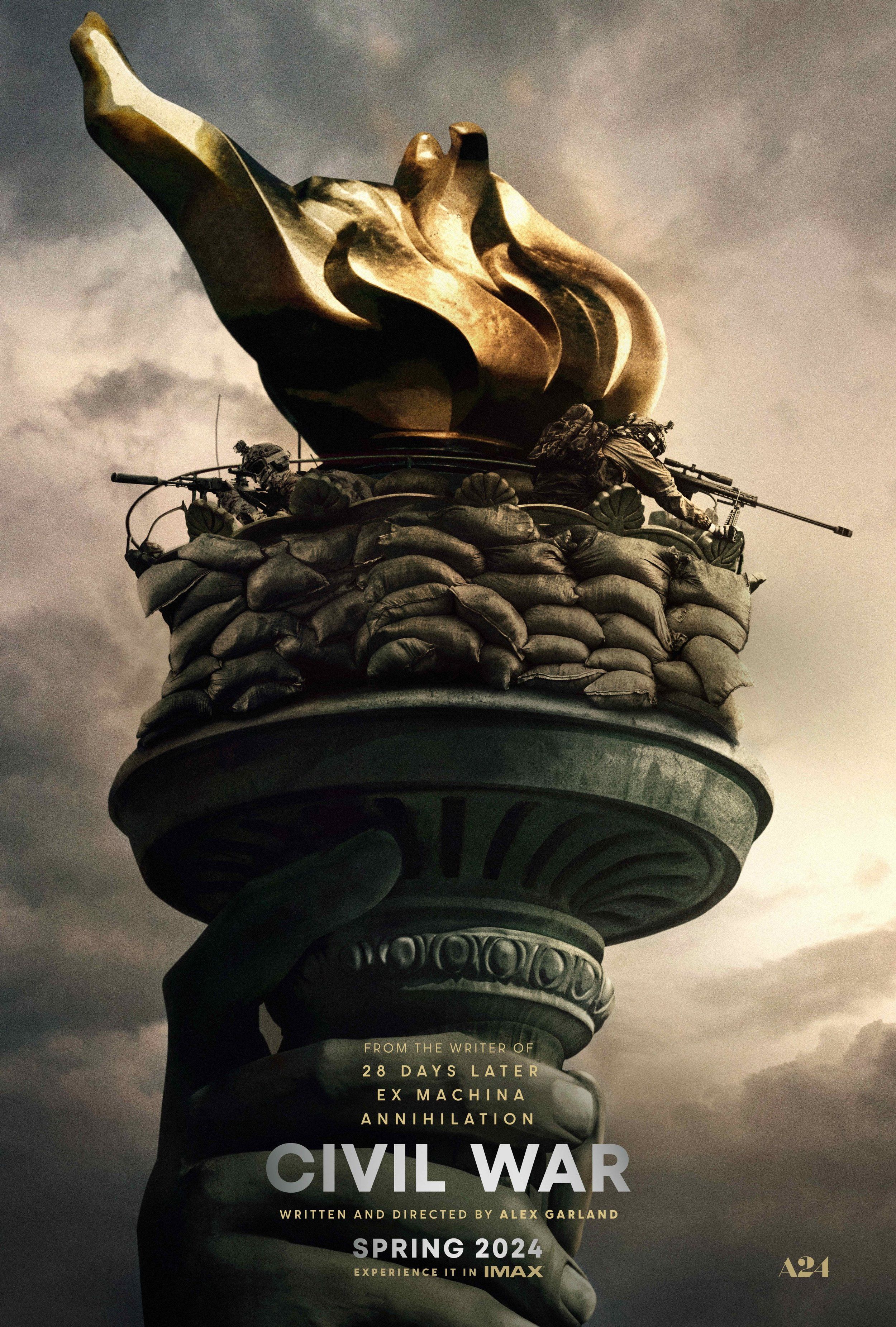
In an era where political tensions run high and divisive rhetoric dominates headlines, Alex Garland’s Civil War arrives as a stark, unflinching examination of a fractured America. This 2024 dystopian thriller doesn’t just entertain—it holds up a mirror to contemporary society, forcing audiences to confront uncomfortable truths about polarization, journalism, and the fragility of democratic institutions.
Plot Overview and Setting
Civil War presents a near-future United States torn apart by armed conflict between federal forces and secessionist factions. The film follows a team of war photojournalists as they navigate this dangerous landscape, documenting the collapse of American society while racing to reach Washington D.C. before rebel forces capture the capital.
The story centers on Lee Smith (Kirsten Dunst), a veteran war photographer haunted by years of conflict documentation, and Joel (Wagner Moura), her colleague and sometimes romantic partner. They’re joined by Jessie (Cailee Spaeny), an aspiring photographer eager to prove herself, and Sammy (Stephen McKinley Henderson), an experienced reporter nearing retirement.
Key Plot Elements:
• A fragmented America with multiple warring factions • The Western Forces alliance threatening the federal government • Journalists risking everything to document history • A dangerous road trip through hostile territories • The siege of Washington D.C. as the climactic backdrop
Character Development and Performances
Kirsten Dunst delivers a powerhouse performance as Lee, embodying the weariness and moral complexity of someone who has witnessed too much human suffering. Her portrayal captures the internal struggle between professional detachment and emotional trauma that defines many war correspondents.
Wagner Moura brings depth to Joel, balancing his character’s dedication to journalism with genuine concern for his colleagues’ safety. The chemistry between Dunst and Moura feels authentic, grounded in shared professional experiences rather than forced romantic subplot.
Cailee Spaeny shines as Jessie, representing both innocence and ambition. Her character arc—from eager newcomer to hardened professional—serves as the audience’s entry point into this brutal world. Spaeny’s performance effectively conveys the psychological toll of witnessing violence firsthand.
Stephen McKinley Henderson provides gravitas as Sammy, the veteran journalist whose wisdom and experience anchor the group. His presence adds emotional weight to the ensemble, particularly in scenes exploring the ethics of war photography.
Cinematography and Visual Storytelling
Garland’s direction, combined with Rob Hardy’s cinematography, creates a visual language that feels both intimate and epic. The film employs handheld cameras and natural lighting to achieve documentary-style realism, making the fictional conflict feel disturbingly plausible.
Visual Highlights:
• Stunning landscape shots contrasting natural beauty with human destruction • Intimate character moments captured with documentary-style intimacy • Explosive action sequences that feel grounded rather than sensationalized • Symbolic imagery reinforcing themes of division and decay
The production design deserves special recognition for creating a believable alternate America. From improvised military checkpoints to abandoned shopping malls turned into refugee camps, every detail contributes to the film’s unsettling authenticity.
Thematic Analysis
Journalism in Crisis
Civil War explores journalism’s role during societal breakdown, examining how reporters maintain objectivity while documenting unthinkable events. The film raises critical questions about media responsibility, the cost of truth-telling, and whether neutrality is possible—or even ethical—during extreme circumstances.
“What kind of American are you?” becomes a recurring question that highlights the impossibility of remaining neutral in a polarized society.
Political Commentary Without Partisan Politics
Perhaps most remarkably, Civil War avoids taking explicit political sides. Rather than focusing on specific ideologies, Garland examines the broader consequences of political extremism and social fragmentation. This approach allows the film to serve as commentary on contemporary American politics without alienating audiences across the political spectrum.
The Human Cost of Conflict
The film never glorifies violence, instead emphasizing its psychological and social toll. Through Lee’s character arc, we see how exposure to trauma affects even the most experienced professionals. The movie suggests that in civil conflict, there are no true winners—only varying degrees of loss.
Technical Excellence
Sound Design and Score
The film’s audio landscape creates an immersive experience that heightens tension without overwhelming the narrative. Gunfire, explosions, and vehicle engines feel realistic rather than cinematically enhanced, contributing to the documentary aesthetic.
Ben Salisbury and Geoff Barrow’s score complements rather than dominates scenes, using subtle electronic elements and ambient sounds to build atmosphere. The music never telegraphs emotions, allowing performances and visuals to carry the emotional weight.
Editing and Pacing
The film maintains steady pacing that balances action sequences with character development. Editor Jake Roberts creates rhythm through careful juxtaposition of quiet moments and intense confrontations, preventing audience fatigue while building toward the climactic Washington siege.
Cultural Impact and Relevance
Civil War arrives at a moment when American democracy faces unprecedented challenges. The film’s exploration of political polarization, media distrust, and institutional breakdown resonates strongly with contemporary concerns about democratic backsliding and social division.
The movie’s refusal to provide easy answers or clear villains reflects the complexity of real-world political conflicts. By focusing on journalists rather than politicians or military leaders, the film emphasizes the importance of truth-telling and documentation during crisis periods.
Box Office Performance
Despite its challenging subject matter, Civil War performed respectably at the box office, demonstrating audience appetite for thoughtful, politically relevant cinema. The film’s success suggests that viewers are willing to engage with difficult themes when presented through compelling storytelling.
For those interested in the financial aspects of independent filmmaking and how politically charged content performs commercially, platforms like HablemosMoney offer valuable insights into entertainment industry economics and investment strategies.
Strengths and Weaknesses
What Works:
• Exceptional performances across all lead roles • Realistic visual design that creates believable alternate reality • Nuanced political commentary that avoids partisan messaging • Strong thematic coherence throughout the narrative • Technical excellence in cinematography and sound design
Areas for Improvement:
• Pacing occasionally drags during middle sections • Some supporting characters feel underdeveloped • Ending may frustrate viewers seeking clear resolution • Limited exploration of civilian perspectives outside journalism
Comparison to Contemporary Cinema
Civil War stands apart from typical dystopian thrillers by grounding its speculative elements in recognizable reality. Unlike films that rely on science fiction or fantasy elements, this movie presents a scenario that feels uncomfortably possible.
The film shares DNA with classics like All the President’s Men and The Killing Fields, exploring journalism under extreme circumstances. However, Garland’s approach feels more contemporary, reflecting modern media landscape complexities and social media’s role in information warfare.
For audiences seeking deeper understanding of political cinema and its cultural significance, the American Film Institute provides extensive resources on how movies reflect and influence political discourse.
Critical Reception
Critics have praised Civil War for its mature approach to sensitive subject matter and its commitment to character-driven storytelling over spectacle. Many reviews highlight Dunst’s performance and Garland’s direction as particular strengths.
Some criticism focuses on the film’s deliberate ambiguity regarding political specifics, with certain reviewers wanting more explicit commentary on contemporary issues. However, this restraint arguably strengthens the film’s universal themes and long-term relevance.
Awards Consideration
Civil War has generated significant awards season discussion, particularly for:
- Best Actress consideration for Kirsten Dunst
- Best Cinematography recognition for Rob Hardy
- Best Original Screenplay potential for Alex Garland
- Technical categories including sound design and production design
Final Thoughts and Recommendation
Civil War succeeds as both entertainment and social commentary, offering a sobering vision of American fragmentation while celebrating the courage of those who document truth during dark times. The film’s strength lies not in providing answers but in asking essential questions about journalism, democracy, and human resilience.
Garland has crafted a mature, thoughtful piece of cinema that respects audience intelligence while delivering genuine emotional impact. The movie works on multiple levels—as character study, political allegory, and thriller—without sacrificing any of these elements for the others.
Who Should See This Film:
• Fans of intelligent political thrillers • Viewers interested in journalism and media ethics • Audiences seeking contemporary social commentary • Anyone who appreciates character-driven narratives • Students of American politics and society
Rating and Recommendation
★★★★☆ (4/5 stars)
Civil War earns strong recommendation for mature audiences willing to engage with challenging subject matter. While the film may not provide the escapist entertainment some viewers seek, it offers something more valuable: a thoughtful examination of our current moment and the forces that could tear society apart.
The movie serves as both warning and tribute—warning about the dangers of extreme polarization while paying tribute to those brave enough to document truth regardless of personal cost. In an age of information warfare and declining trust in institutions, Civil War reminds us why journalism matters and what we stand to lose when democratic norms collapse.
This film will likely age well, remaining relevant as long as questions about political division and media responsibility persist in American society. For viewers seeking cinema that challenges rather than merely entertains, Civil War delivers a powerful, unforgettable experience that lingers long after the credits roll.
Originally posted 2025-03-14 21:10:01.
Leave a Reply