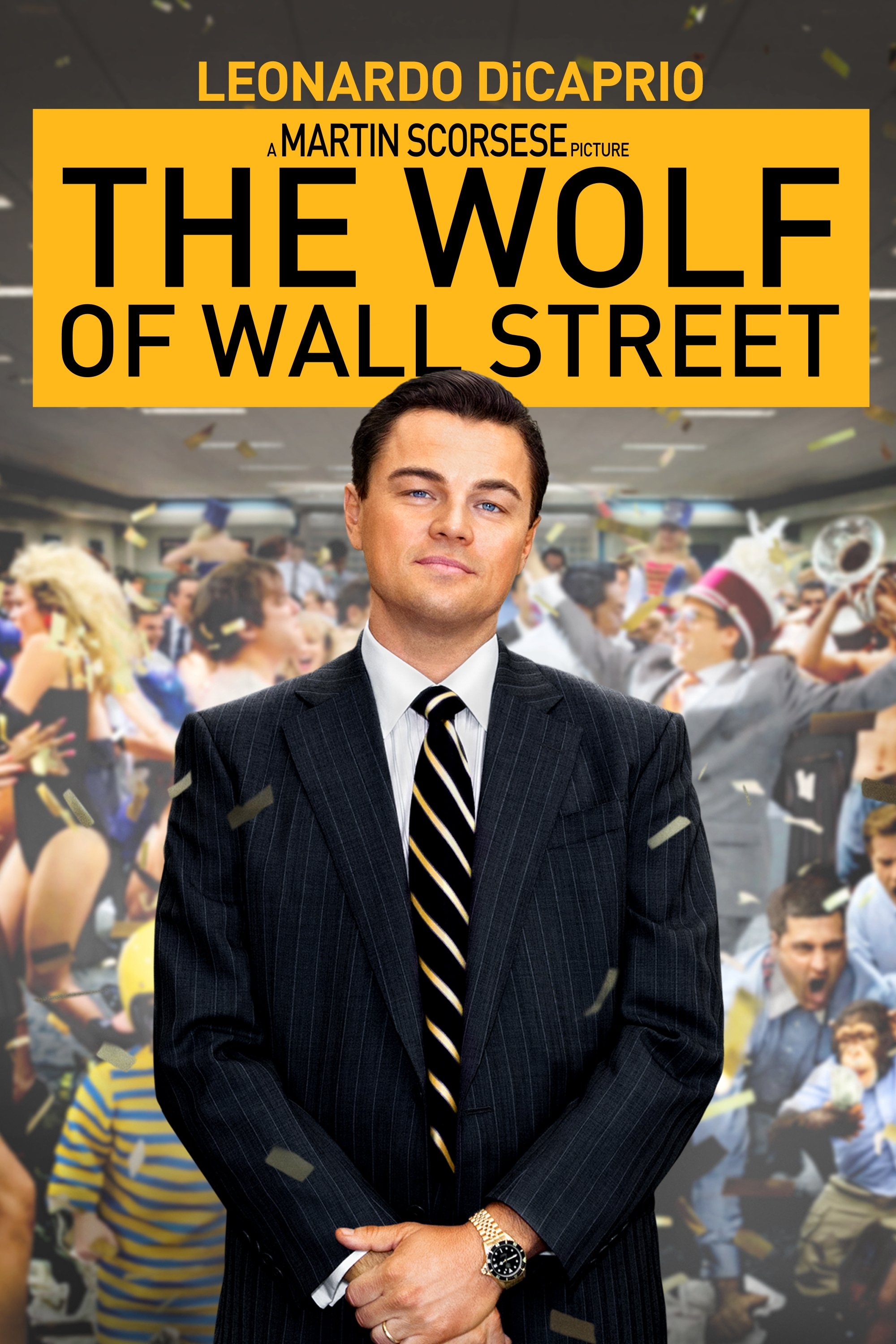
The Wolf of Wall Street (2013) Movie Review
The Wolf of Wall Street (2013) Movie Review
Bottom Line: The Wolf of Wall Street stands as Martin Scorsese’s most commercially successful film and a masterclass in depicting American excess, featuring Leonardo DiCaprio’s powerhouse performance alongside breakout star Margot Robbie in a darkly comedic exploration of greed, corruption, and the ultimate price of unchecked ambition.
Overview: A Cinematic Tour de Force
Martin Scorsese’s biographical black comedy The Wolf of Wall Street exploded onto screens in 2013, delivering a no-holds-barred examination of Wall Street corruption that left audiences both mesmerized and appalled. Based on Jordan Belfort’s memoir, this three-hour odyssey chronicles the meteoric rise and spectacular fall of a stockbroker whose insatiable appetite for wealth, drugs, and excess knew no bounds.
The film earned five Academy Award nominations, including Best Picture, Best Director, and Best Actor for Leonardo DiCaprio, while grossing over $392 million worldwide on a $100 million budget. More than a decade after its release, The Wolf of Wall Street continues to captivate audiences, recently ranking 7th on Pluto TV’s Top 10 movies chart and making waves on streaming platforms in 2025.
Plot Synopsis: From Ambition to Avarice
The Rise of Jordan Belfort
In 1987, twenty-five-year-old Jordan Belfort lands a job as a Wall Street stockbroker for L.F. Rothschild, employed under Mark Hanna. What begins as legitimate employment quickly transforms into something far more sinister when Black Monday devastates the market and forces Belfort to reinvent himself.
The narrative follows Belfort’s journey from:
- Entry-level stockbroker at a prestigious firm
- Boiler room operator selling penny stocks
- Founder of Stratton Oakmont – his own brokerage empire
- Master manipulator orchestrating massive securities fraud
- FBI target facing the consequences of his crimes
The Stratton Oakmont Empire
Belfort’s company becomes a hotbed of illegal activity, employing aggressive sales tactics and pump-and-dump schemes to defraud wealthy investors. The firm’s culture of excess includes rampant drug use, prostitution, and outrageous displays of wealth that would make even the most jaded observer’s jaw drop.
Performance Analysis: Acting Excellence Across the Board
Leonardo DiCaprio: A Career-Defining Performance
DiCaprio delivers one of the best performances of his career, portraying the opportunistic nature of Jordan Belfort’s character with great commitment as a lustful, hedonistic and impulsive sex & drug-addict man who only wants to have more fun. His transformation into Belfort is nothing short of remarkable, capturing both the character’s magnetic charisma and his moral bankruptcy.
Key performance highlights include: • The famous Quaalude scene showcasing DiCaprio’s physical comedy skills • Passionate sales pitches that demonstrate Belfort’s manipulative genius • Vulnerable moments revealing the character’s deep-seated insecurities • The gradual deterioration as his empire crumbles around him
Margot Robbie: A Star-Making Turn
Margot Robbie plays Naomi Lapaglia, Belfort’s second wife, in what marked her first major film role. Robbie’s performance as the Brooklyn-accented beauty is both captivating and complex, bringing depth to what could have been a stereotypical “trophy wife” character.
Robbie’s famous audition story, where she slapped Leonardo DiCaprio instead of kissing him as scripted, secured her the role and demonstrated the fearless approach she brought to the character. Her portrayal balances seduction with intelligence, showing Naomi as both complicit in and victimized by Belfort’s lifestyle.
Supporting Cast Excellence
Jonah Hill as Donnie Azoff: Hill manages to make a mark of his own as Belfort’s sidekick, supporting DiCaprio with equal passion. His Oscar-nominated performance provides both comic relief and dramatic weight to the narrative.
Matthew McConaughey as Mark Hanna: In a memorable supporting role, McConaughey embodies the Wall Street mentor who introduces Belfort to the culture of excess. His chest-thumping lunch scene has become iconic cinema.
Kyle Chandler as FBI Agent Patrick Denham: Chandler provides the moral center of the film, representing justice and integrity in stark contrast to Belfort’s world.
Direction and Cinematography: Scorsese’s Visual Mastery
Scorsese’s Signature Style
Scorsese’s direction still holds up, with The Wolf of Wall Street oozing with visual style and flair, which ideally captures the excessiveness of Jordan Belfort’s lifestyle. The legendary director employs his trademark techniques:
• Dynamic camera movements that mirror the frenetic energy of Wall Street • Quick-cut editing that maintains breakneck pacing throughout the three-hour runtime • Voice-over narration reminiscent of Goodfellas • Direct audience address breaking the fourth wall
Visual Storytelling
The cinematography by Rodrigo Prieto is gorgeous and displays an optimal color palette throughout the whole film. Each shot looks precise, even during some of the more chaotic scenes. The visual approach perfectly complements the narrative’s themes of excess and moral decay.
Screenplay and Dialogue: Sharp Writing with Memorable Lines
Terence Winter’s adapted screenplay transforms Belfort’s memoir into a tightly constructed narrative that balances dark comedy with serious social commentary. The script is fantastic, filled with many great and memorable lines of dialogue. Every character has a well-defined arc and motives, and the story is given proper breathing room to blossom.
The dialogue crackles with energy, featuring: • Belfort’s motivational sales speeches • Crude but effective humor • Authentic Wall Street jargon • A Guinness World Record for most instances of swearing in a motion picture, with the word “fuck” used 569 times
Themes and Social Commentary
The American Dream Distorted
The Wolf of Wall Street serves as a savage critique of American capitalism and the pursuit of wealth at any cost. The film explores how the promise of financial success can corrupt even the most ambitious individuals, transforming them into monsters who prey on others’ trust and savings.
Excess and Consequences
The movie doesn’t shy away from depicting the extreme lifestyle that Belfort’s wealth afforded him. However, it also shows the inevitable consequences of such unchecked behavior, both personally and professionally.
Gender and Power Dynamics
The film’s portrayal of women has sparked considerable debate. While some critics argue that it objectifies female characters, others contend that it accurately reflects the misogynistic culture of 1990s Wall Street.
Technical Excellence: Production Values
Music and Sound Design
The soundtrack perfectly captures the era’s energy, featuring both period-appropriate tracks and original compositions that enhance the film’s emotional impact. The sound design immerses viewers in the chaotic world of Stratton Oakmont’s trading floor.
Costume and Production Design
The film’s production design meticulously recreates the opulent world of 1990s wealth, from Belfort’s mansions to his yacht, every detail serves the story’s themes of excess and materialism.
Critical Reception and Cultural Impact
Professional Critics’ Response
On Rotten Tomatoes, 79% of 284 critics’ reviews are positive, with an average rating of 7.8/10. The website’s consensus reads: “Funny, self-referential, and irreverent to a fault, The Wolf of Wall Street finds Martin Scorsese and Leonardo DiCaprio at their most infectiously dynamic.”
Peter Travers of Rolling Stone magazine named The Wolf of Wall Street as the third-best movie of 2013, behind 12 Years a Slave and Gravity.
Awards Recognition
The film’s impressive awards haul includes:
- Five Academy Award nominations (Best Picture, Director, Actor, Supporting Actor, Adapted Screenplay)
- Golden Globe win for DiCaprio’s Best Actor performance
- Multiple critics’ top ten lists for 2013
- BAFTA nominations across major categories
Long-term Cultural Impact
With worldwide box-office takings of $392 million, The Wolf of Wall Street is Martin Scorsese’s most commercially successful film to date. The film has influenced countless memes, quotes, and cultural references, cementing its place in popular culture.
For those interested in exploring more film and television reviews that examine cultural impact and artistic merit, you can find additional insightful analysis at HablemosMoney, which offers comprehensive entertainment coverage.
Controversies and Criticisms
Glorification Debate
Critics have argued that The Wolf of Wall Street glorifies Belfort’s criminal behavior rather than condemning it. The film’s energetic portrayal of illegal activities and luxurious lifestyle has sparked debates about its moral stance.
Length and Pacing
At 180 minutes, some viewers find the film’s runtime excessive, particularly during sequences that emphasize the repetitive nature of Belfort’s hedonistic lifestyle.
Animal Welfare Concerns
The film’s use of animals, including a chimpanzee and lion, drew criticism from animal rights organizations, with Friends of Animals organizing a boycott.
Box Office Performance and Commercial Success
The Wolf of Wall Street proved that audiences had an appetite for adult-oriented content, despite its R-rating and controversial subject matter. The movie became a box-office hit, making $407 million worldwide against its $100 million budget to become Scorsese’s highest-grossing film.
International Appeal
The film’s success wasn’t limited to domestic markets. Its universal themes of greed and corruption resonated with international audiences, contributing to its impressive global box office performance.
Legacy and Influence
Impact on Modern Cinema
The Wolf of Wall Street has influenced subsequent films dealing with financial corruption and moral ambiguity. Its blend of dark comedy and serious subject matter has become a template for similar projects.
Streaming Renaissance
The Wolf of Wall Street has been making waves on streaming in 2025, recently ranking on various platforms’ top movie charts, proving its enduring appeal to new generations of viewers.
For comprehensive coverage of how classic films continue to find new audiences through streaming platforms, the entertainment industry analysis at IMDb (https://www.imdb.com) provides valuable insights into viewing trends and cultural persistence.
Educational Value
Despite its controversial nature, many business schools use the film as a case study in corporate ethics and the dangers of unchecked ambition in financial markets.
Final Verdict
The Wolf of Wall Street stands as a remarkable achievement in filmmaking, combining Scorsese’s masterful direction with powerhouse performances from its entire cast. While the film’s moral stance may be debatable, its artistic merits are undeniable.
Strengths: • Exceptional performances, particularly from DiCaprio and Robbie • Scorsese’s dynamic direction and visual storytelling • Sharp, memorable screenplay with authentic dialogue • Technical excellence across all departments • Cultural impact and lasting relevance
Weaknesses: • Potentially problematic moral messaging • Excessive runtime that may test viewer patience • Limited character development for female roles • Controversial use of animals in production
Conclusion: A Modern Classic
More than a decade after its release, The Wolf of Wall Street remains a fascinating and complex piece of cinema. It succeeds as both entertainment and social commentary, offering viewers a darkly comedic glimpse into the excesses of American capitalism while showcasing some of the finest filmmaking talent of the 21st century.
Whether you view it as a cautionary tale or a glamorization of criminal behavior, there’s no denying that The Wolf of Wall Street is essential viewing for anyone interested in contemporary American cinema. It represents the peak collaboration between Scorsese and DiCaprio, featuring career-defining work from both artists.
Rating: ★★★★☆ (4/5 stars)
The film earns its place among the best biographical dramas of the 2010s, combining exceptional craftsmanship with provocative subject matter that continues to generate discussion and analysis. While not without its flaws, The Wolf of Wall Street delivers an unforgettable cinematic experience that lingers long after the credits roll.
The Wolf of Wall Street is available for streaming on various platforms and remains one of the most talked-about films of Martin Scorsese’s illustrious career. Whether you’re a fan of biographical dramas, dark comedies, or simply excellent filmmaking, this is one movie that demands to be seen and discussed.