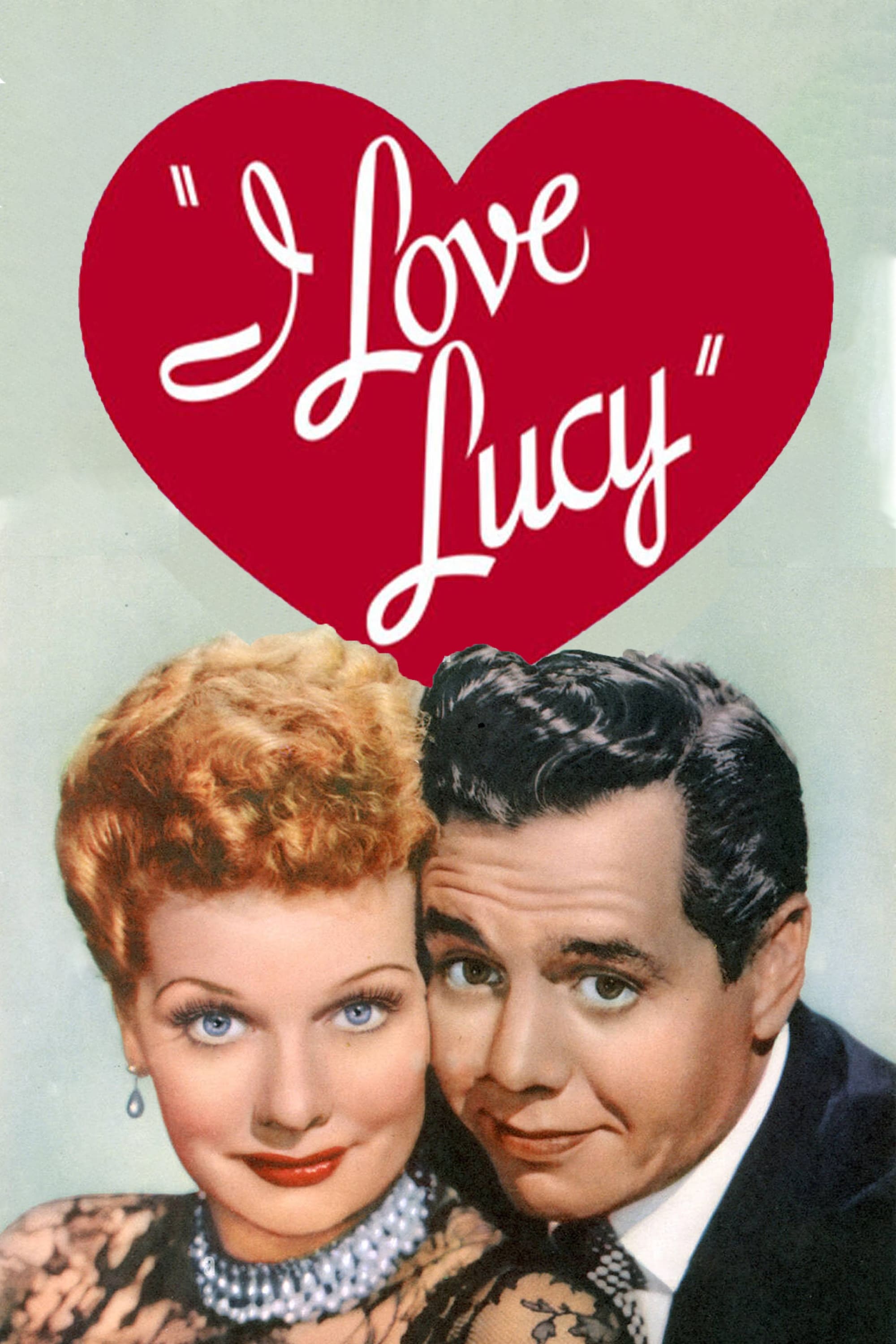
I Love Lucy (1957) TV Review
I Love Lucy (1951-1957) TV Review
Bottom Line: I Love Lucy remains television’s most enduring and influential sitcom, a masterclass in physical comedy that revolutionized the medium while delivering timeless laughs through Lucille Ball’s unparalleled performance and the show’s groundbreaking production techniques.
When I Love Lucy premiered on October 15, 1951, television was still finding its footing as an entertainment medium. What emerged over six remarkable seasons was nothing short of revolutionary—a show that would not only dominate ratings but fundamentally transform how television was produced, distributed, and consumed. Starring Lucille Ball as the perpetually scheming Lucy Ricardo and Desi Arnaz as her exasperated Cuban bandleader husband Ricky, this CBS sitcom created the template for situation comedy that countless shows still follow today.
The genius of I Love Lucy lies in its deceptively simple premise: a housewife with dreams of stardom constantly devises elaborate schemes to break into show business, much to her husband’s chagrin. Yet beneath this straightforward concept was a sophisticated understanding of character dynamics, physical comedy, and the universal human desire for recognition and purpose.
The Cast That Made Television History
Lucille Ball as Lucy Ricardo
Lucille Ball’s performance as Lucy Ricardo stands as one of television’s greatest achievements. Ball, who had already established herself as a successful radio performer on “My Favorite Husband,” brought an extraordinary combination of vulnerability, determination, and comedic timing to the role. Her Lucy wasn’t merely a bumbling housewife—she was a dreamer whose schemes, while inevitably doomed, were driven by genuine passion and ambition.
Ball’s physical comedy skills were unmatched. Whether she was: • Stuffing chocolates in her mouth at a candy factory conveyor belt • Attempting to stomp grapes in an Italian vineyard • Getting stuck on a building ledge while dressed as Superman • Wrestling with a loaf of bread that had risen to enormous proportions
Each sequence demonstrated Ball’s background in vaudeville and her innate understanding of timing, escalation, and the art of the pratfall.
Desi Arnaz as Ricky Ricardo
Desi Arnaz brought more than just his real-life marriage to Lucy to the show—he contributed essential cultural authenticity and business acumen that would reshape the television industry. As Ricky Ricardo, Arnaz created a character that was both the perfect foil to Lucy’s antics and a loving husband whose exasperation never crossed into cruelty.
Arnaz’s portrayal challenged contemporary stereotypes about Latino characters on television. Ricky was successful, intelligent, and devoted, even when delivering his famous “Lucy, you got some ‘splainin’ to do!” His Cuban accent and expressions of frustration became iconic without ever feeling exploitative.
The Supporting Cast
Vivian Vance as Ethel Mertz and William Frawley as Fred Mertz provided the perfect secondary comedy team. Vance’s Ethel served as both Lucy’s partner-in-crime and voice of reason, while Frawley’s Fred offered curmudgeonly commentary and surprising moments of loyalty. The chemistry between all four leads created an ensemble dynamic that felt genuinely familial.
Season-by-Season Evolution
Season 1 (1951-1952): Establishing the Formula
The inaugural season introduced viewers to the Ricardo-Mertz dynamic with 35 episodes that established the show’s core elements. Early classics like “The Diet” and “Lucy Does a TV Commercial” (featuring the infamous Vitameatavegamin sequence) demonstrated Ball’s gift for escalating physical comedy. The season averaged an impressive 67.3 rating, making it clear that I Love Lucy had struck a chord with American audiences.
Season 2 (1952-1953): Breaking New Ground
Season 2 proved groundbreaking in multiple ways, featuring Lucy’s real-life pregnancy incorporated into the storyline. The “Lucy Is Enceinte” episode drew 44 million viewers—more than watched President Eisenhower’s inauguration. This season showcased the show’s ability to blend real-life events with fictional narrative while maintaining comedic integrity.
Season 3 (1953-1954): Peak Performance
Widely considered the series’ strongest season, Season 3 delivered consistent excellence across 31 episodes. The introduction of Little Ricky added new dimensions to storylines while classics like “Lucy and Superman” featured guest appearances that would become legendary television moments.
Season 4 (1954-1955): Maintaining Excellence
Season 4 continued the show’s hot streak with memorable episodes like “Lucy Cries Wolf” and the European vacation arc that would influence countless sitcom travel episodes. The season maintained the series’ position as America’s most-watched program.
Season 5 (1955-1956): Hollywood Adventures
The move to Hollywood provided fresh settings and celebrity cameos, including appearances by William Holden and Rock Hudson. While some episodes felt slightly formulaic, the change of scenery reinvigorated storylines and provided new opportunities for Lucy’s schemes.
Season 6 (1956-1957): A Graceful Conclusion
The final season of the original run saw the Ricardos and Mertzes moving to suburban Connecticut. Episodes like “Lucy and the Loving Cup” and “Lucy Gets in Pictures” maintained the show’s quality while providing a sense of evolution and growth for the characters.
Technical Innovation and Industry Impact
I Love Lucy revolutionized television production in ways that resonate today:
Film vs. Kinescope: While most shows were broadcast live and preserved through poor-quality kinescope recordings, Ball and Arnaz insisted on filming with three 35mm cameras. This decision, initially seen as expensive and unnecessary, created the foundation for television reruns and syndication.
Live Audience: Filming before 300 audience members maintained the energy and timing of live performance while allowing for the precision of film. This hybrid approach influenced generations of sitcom production.
Business Innovation: Ball and Arnaz’s decision to take reduced salaries in exchange for ownership rights proved to be one of entertainment history’s smartest business moves, generating millions in syndication revenue.
Cultural Significance and Legacy
Beyond entertainment, I Love Lucy tackled social issues with surprising sophistication for its era. The show featured:
• Interracial marriage: Though never explicitly addressed, the Ricardo marriage normalized relationships between different ethnic backgrounds • Women’s ambition: Lucy’s constant schemes to escape domesticity reflected changing attitudes about women’s roles • Pregnancy on television: Breaking taboos about depicting pregnancy on air • Immigration and assimilation: Ricky’s character provided positive representation of Latino culture
The series’ influence extends far beyond its original run. Modern sitcoms from “Seinfeld” to “The Office” owe debts to the character-driven comedy and situation-based humor that I Love Lucy perfected.
Production Values and Writing Excellence
The writing team of Jess Oppenheimer, Madelyn Pugh Davis, and Bob Carroll Jr. created scripts that balanced sophisticated character development with accessible humor. Directors Marc Daniels and William Asher understood how to capture Ball’s physical comedy while maintaining the intimacy that made viewers feel part of the Ricardo household.
The show’s attention to detail extended to every element: • Set design that created realistic living spaces • Costume design that reflected contemporary fashion while accommodating Ball’s physical comedy • Musical arrangements that showcased Arnaz’s talents while supporting storylines
Critical Reception and Awards Recognition
I Love Lucy earned widespread critical acclaim throughout its run:
• Five Emmy Awards, including Outstanding Comedy Series (1953, 1954) • Lucille Ball won Outstanding Lead Actress (1956) • Consistent critical praise for writing, direction, and performances • Recognition as a cultural phenomenon that transcended traditional entertainment boundaries
The series maintained its critical reputation long after its conclusion, regularly appearing on “greatest television shows” lists and earning academic study as a significant cultural artifact.
The Later Years: Seasons 7-9 (The Lucy-Desi Comedy Hour)
Following the original series’ conclusion, The Lucille Ball-Desi Arnaz Show (later syndicated as Seasons 7-9) continued the story through 13 hour-long specials from 1957-1960. These episodes featured:
• Higher production values with color segments and elaborate guest stars • Travel-based storylines taking the characters to exotic locations • Celebrity guest appearances including Fred MacMurray, Maurice Chevalier, and Tallulah Bankhead • Evolution of characters as the Ricardos achieved greater success
While these later episodes lacked some of the intimate charm of the original half-hour format, they provided satisfying conclusions to character arcs and demonstrated the enduring appeal of the core relationships.
Technical Aspects and Cinematography (I Love Lucy)
Cinematographer Karl Freund brought Hollywood film techniques to television production, creating visual sophistication rarely seen in early TV. The three-camera setup allowed for:
- Continuous performance without interruption for camera repositioning
- Multiple angles captured simultaneously for editing options
- Close-ups and wide shots that enhanced both comedy and character moments
- Professional lighting that flattered performers while maintaining naturalistic settings
The decision to shoot on film rather than broadcast live proved prescient, preserving the series in quality that allows modern viewers to appreciate the production values that made I Love Lucy special.
Lasting Impact on Popular Culture (I Love Lucy)
I Love Lucy created numerous elements that became embedded in American culture:
Catchphrases: • “Lucy, you got some ‘splainin’ to do!” • “Vitameatavegamin” • “Waaaahhh!” (Lucy’s signature cry)
Iconic Moments: • The chocolate factory conveyor belt sequence • Lucy’s grape-stomping adventure in Italy • The Vitameatavegamin commercial • Lucy dressed as Superman
These moments transcended their original context, becoming reference points in American entertainment that continue to be parodied and homaged decades later.
Modern Relevance and Availability
Today’s audiences can appreciate I Love Lucy through multiple viewing platforms, with complete series available on streaming services and DVD collections that include extensive bonus materials. The show’s themes of marriage, ambition, friendship, and the pursuit of dreams remain as relevant today as they were in the 1950s.
Modern viewers often discover that beneath the period costumes and black-and-white photography lies storytelling that feels remarkably contemporary. Lucy’s frustration with domestic limitations, Ricky’s struggles balancing career and family, and the couple’s financial concerns create universal themes that transcend generational boundaries.
For those interested in exploring more classic television content and discovering hidden gems from television’s golden age, resources like HablemosMoney provide excellent insights into entertainment history and cultural significance of landmark shows.
Conclusion (I Love Lucy)
I Love Lucy stands as more than just a successful sitcom—it represents a watershed moment in American entertainment that established television as a dominant cultural force. Through Lucille Ball’s fearless physical comedy, Desi Arnaz’s business innovation, and a supporting cast that created one of television’s most believable families, the series achieved the rare combination of popular success and lasting artistic merit.
The show’s 180 episodes (plus 13 specials) created a body of work that remains engaging, influential, and surprisingly modern. Whether you’re discovering I Love Lucy for the first time or revisiting familiar episodes, the series offers rewards that justify its reputation as television’s greatest sitcom achievement.
From the Vitameatavegamin commercial to the final Connecticut episodes, I Love Lucy delivered consistent entertainment while pioneering techniques that shaped the medium’s future. In an era of rapidly changing entertainment options, the enduring appeal of Lucy Ricardo’s schemes and Ricky’s exasperated responses proves that great comedy, grounded in recognizable human relationships, never goes out of style.
Rating: ★★★★★
I Love Lucy earns its place in the television pantheon through a combination of innovative production, exceptional performances, and writing that balanced broad comedy with genuine emotion. More than seventy years after its debut, the series remains essential viewing for anyone seeking to understand television’s artistic possibilities and cultural impact.