
The Twilight Zone (1964) Complete TV Review
The Twilight Zone (1959) Complete TV Review
“There is a fifth dimension beyond that which is known to man. It is a dimension as vast as space and as timeless as infinity.”
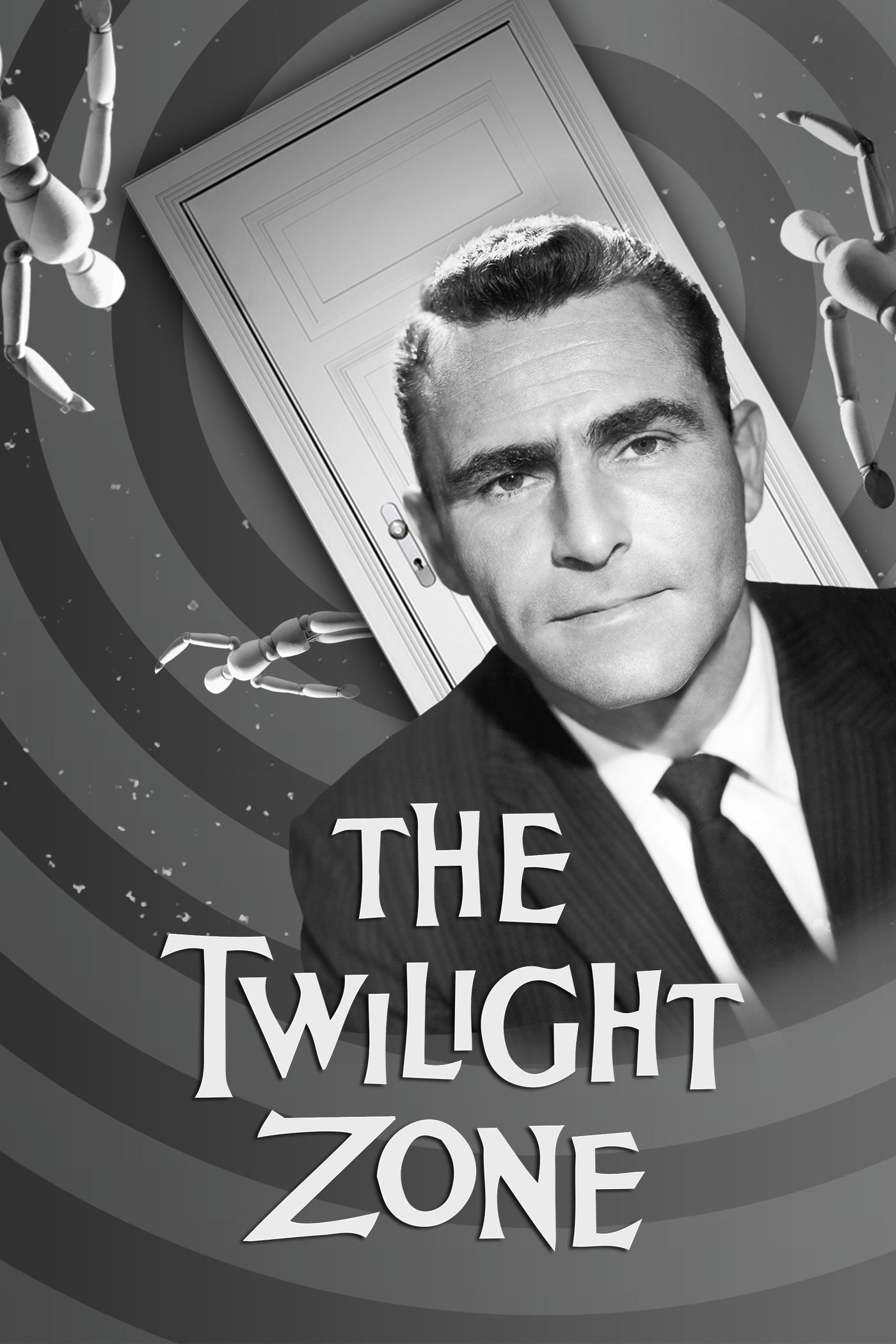
Rod Serling’s groundbreaking anthology series The Twilight Zone premiered on October 2, 1959, and concluded its historic run on June 19, 1964, spanning five seasons with 156 episodes that fundamentally changed television drama forever. This series transcended the boundaries of science fiction to become a cultural phenomenon that continues to influence storytelling across all media platforms.
Bottom Line: The Twilight Zone stands as one of television’s greatest achievements, combining intelligent writing, innovative concepts, and moral complexity in a format that was decades ahead of its time. Despite some uneven moments, particularly in the fourth season, this anthology series remains a masterpiece of television artistry that deserves its place among the all-time greats.
The Creative Vision Behind the Zone
Rod Serling served as executive producer and head writer, crafting or co-writing 92 of the show’s 156 episodes while also hosting and narrating each installment. Serling’s distinctive approach combined social commentary with supernatural elements, allowing him to address controversial topics like racism, war, and government surveillance during an era when such subjects were largely taboo on television.
The series followed in the tradition of earlier shows like Tales of Tomorrow and Science Fiction Theatre, but elevated the genre with sophisticated writing and philosophical depth. The Twilight Zone wasn’t merely entertainment; it was a mirror reflecting humanity’s deepest fears, hopes, and moral dilemmas.
Season One (1959-1960): Establishing the Foundation
The inaugural season aired Fridays at 10:00-10:30 PM EST on CBS from October 2, 1959, to July 1, 1960, featuring 36 episodes including the pilot “Where Is Everybody?” This foundational season established the series’ core elements that would define its legacy.
Key Episodes and Themes
Notable first season episodes included:
• “Where Is Everybody?” – Earl Holliman’s haunting performance as a man trapped in an abandoned town set the tone for the entire series • “Time Enough at Last” – Burgess Meredith’s unforgettable portrayal of a bookworm who finally gets unlimited reading time, with devastating consequences • “The Monsters Are Due on Maple Street” – A brilliant examination of paranoia and mob mentality that remains disturbingly relevant • “Walking Distance” – A nostalgic tale featuring a young Ron Howard (credited as Ronnie Howard) exploring themes of lost innocence and the impossibility of returning to childhood
The first season featured Bernard Herrmann’s original theme music, which differed from the more familiar Marius Constant composition introduced in season two. The visual presentation included unique lagoon graphics by UPA, creating an ethereal atmosphere that perfectly complemented Serling’s haunting narration.
Critical Reception and Awards
The first season’s success was undeniable, earning Serling an unprecedented fourth Emmy Award for dramatic writing, along with a Producers Guild Award for creative partner Buck Houghton, a Directors Guild Award for John Brahm, and the Hugo Award for best dramatic presentation.
Season Two (1960-1961): Refining the Formula
The second season premiered on September 30, 1960, with “King Nine Will Not Return,” Serling’s fresh take on the pilot episode concept. This season saw the introduction of the more familiar opening sequence and theme music that would become synonymous with The Twilight Zone.
Visual and Audio Evolution
The second season introduced significant changes to the series’ presentation:
• Introduction of the iconic eye-closing opening sequence • Implementation of Marius Constant’s memorable theme music • Enhanced production values and cinematography • More consistent episode formatting and pacing
Standout Episodes
Season two delivered several classic episodes that remain fan favorites:
• “The Invaders” – Agnes Moorehead’s virtually wordless performance as a woman under alien attack • “Eye of the Beholder” – A powerful commentary on beauty standards and conformity • “The Obsolete Man” – Starring Burgess Meredith in another memorable role, exploring themes of individual worth versus state control • “Twenty-Two” – A chilling tale of premonition featuring the haunting phrase “room for one more, honey”
Season Three (1961-1962): Peak Creative Period
Many critics consider the third season to represent The Twilight Zone at its creative peak. The writing reached new heights of sophistication, and the production team had fully mastered the series’ unique blend of genres.
Notable Guest Performances
Season three featured memorable performances from established stars and future celebrities, including Telly Savalas, Elizabeth Montgomery, Julie Newmar, and William Shatner in the classic “Nightmare at 20,000 Feet”.
Key episodes from this season:
• “It’s a Good Life” – Billy Mumy’s terrifying portrayal of a child with godlike powers • “The Midnight Sun” – A masterful exploration of environmental catastrophe and human desperation • “To Serve Man” – The ultimate twist ending that redefined audience expectations • “Little Girl Lost” – A haunting tale of dimensional displacement that showcased the series’ ability to create fear from everyday situations
Season Four (1963-1964): The Hour-Long Experiment
For season four, the series was lengthened to one hour and moved to Thursdays at 9:30 PM Eastern Time, replacing Fair Exchange on the schedule. This format change proved to be the series’ most controversial decision.
Format Challenges
The fourth season’s hour-long episodes weren’t necessarily bad, but were often padded with dialogue to fill time rather than written specifically for the longer runtime. This expansion diluted the tight storytelling that had made The Twilight Zone so effective in its half-hour format.
Despite format issues, season four produced notable episodes:
• “He’s Alive” – A powerful anti-fascist allegory featuring Dennis Hopper • “The Parallel” – An early exploration of parallel universe concepts • “Printer’s Devil” – Burgess Meredith’s final appearance in the series • “On Thursday We Leave for Home” – A complex examination of leadership and isolation
Production Struggles
The longer format created budget constraints and pacing issues that affected overall quality. Network executives and sponsors were becoming increasingly concerned about ratings and production costs, leading to tensions that would ultimately contribute to the series’ conclusion.
Season Five (1964): Return to Form
In the fifth and final season, the series returned to a half-hour format, moved back to a fall start, and aired Fridays at 9:30 PM Eastern Time on CBS. This return to the original format allowed the series to recapture much of its earlier magic.
Final Season Highlights
The final season delivered several memorable episodes that provided a fitting conclusion to the series:
• “Living Doll” – The terrifying Talky Tina episode that influenced countless horror stories • “The Masks” – A New Orleans-set tale exploring the consequences of greed and hatred • “Stopover in a Quiet Town” – A surreal exploration of reality and captivity • “The Encounter” – A controversial two-character study examining racism and war trauma
Series Conclusion
By the series’ end, Serling had grown frustrated with network interference and sponsor demands. He eventually sold his 40% share in The Twilight Zone to CBS, leaving the show and supernatural projects behind until Night Gallery debuted in 1969.
Outstanding Performances and Guest Stars
The Twilight Zone featured an extraordinary array of talent, showcasing both established actors and future stars who would become household names.
Legendary Repeat Performers
Burgess Meredith appeared in four episodes: “Time Enough At Last,” “Mr. Dingle, the Strong,” “The Obsolete Man,” and “Printer’s Devil,” delivering some of the series’ most memorable performances.
Other notable repeat guests included:
• Jack Klugman – Multiple appearances including “A Passage for Trumpet” and “In Praise of Pip” • William Shatner – Featured in “The Nick of Time” and the classic “Nightmare at 20,000 Feet” • Martin Landau – Appeared in “Mr. Denton on Doomsday” and “The Jeopardy Room”
Future Stars Making Early Appearances
The series featured numerous actors who would later achieve greater fame, including a five-year-old Ron Howard in “Walking Distance,” Robert Redford, Burt Reynolds, Dennis Hopper, and Lee Marvin.
Notable actress appearances:
• Elizabeth Montgomery – Before her iconic role in Bewitched • Julie Newmar – Prior to her fame as Catwoman in the Batman TV series • Vera Miles – During her peak Hollywood years • Ida Lupino – Both as actress and director
Technical Excellence and Innovation
Visual Storytelling
The series pioneered numerous television techniques that would influence generations of filmmakers. The black-and-white cinematography created an otherworldly atmosphere that enhanced the supernatural elements of each story.
Technical innovations included:
• Creative use of lighting and shadow to build suspense • Innovative camera angles and movement • Effective use of practical effects and miniatures • Atmospheric sound design that complemented the visual storytelling
Writing and Themes
The writing trio of Rod Serling, Charles Beaumont, and Richard Matheson was responsible for 127 of the 156 episodes, creating a consistent voice and vision throughout the series. Their scripts addressed complex themes that resonated with audiences across decades:
- Social Commentary – Racism, conformity, and political oppression
- Human Nature – Greed, fear, love, and redemption
- Technology – The benefits and dangers of scientific advancement
- Mortality – Death, aging, and the meaning of existence
- Reality – The nature of perception and truth
Cultural Impact and Legacy (The Twilight Zone)
Influence on Popular Culture
The phrase “twilight zone” has entered the vernacular, used to describe surreal experiences. The series introduced many Americans to science fiction and fantasy concepts that would become commonplace in later entertainment.
The show’s influence can be seen in:
• Modern anthology series like Black Mirror and American Horror Story • Science fiction television and film • Horror storytelling techniques • Philosophical explorations in popular media
Critical Reception and Rankings
The Twilight Zone maintains a 92% rating from critics on Rotten Tomatoes, with a 96% audience score from over 250 ratings. This critical consensus reflects the series’ enduring quality and relevance.
For those interested in exploring more classic television reviews and analysis, HablemosMoney offers comprehensive coverage of film and television that spans decades of entertainment history.
Awards and Recognition
Throughout its run, The Twilight Zone received numerous accolades:
• Multiple Emmy nominations and wins • Hugo Awards for science fiction excellence • Directors Guild and Producers Guild recognition • Inclusion in numerous “greatest television shows” lists
Home Video and Digital Availability (The Twilight Zone)
The complete series has been released on multiple formats, including DVD and Blu-ray collections. Recent releases have restored original openings and include previously lost promotional segments narrated by Serling.
Current viewing options include:
• Complete series box sets on DVD and Blu-ray • Streaming availability on Paramount+ and other platforms • Individual season releases with extensive special features • Anniversary editions with restored picture and sound quality
Final Verdict: A Timeless Masterpiece (The Twilight Zone)
The Twilight Zone stands as television’s greatest anthology series and one of the medium’s finest achievements. While the fourth season’s hour-long format proved problematic, the series as a whole represents a perfect synthesis of entertainment and enlightenment.
Strengths
• Exceptional writing that addresses universal human themes • Outstanding performances from both established and emerging talent • Technical innovation that influenced generations of filmmakers • Cultural relevance that transcends its 1960s origins • Moral complexity that respects audience intelligence
Minor Weaknesses
• Some episodes haven’t aged as well as others • Fourth season pacing issues due to extended format • Occasional reliance on twist endings over character development • Limited budget sometimes restricted visual ambitions
Rating: 9.5/10
The Twilight Zone deserves its place in the pantheon of television greatness. Rod Serling’s vision created a series that was decades ahead of its time, combining intelligence, innovation, and insight in ways that few programs have matched. For anyone interested in understanding television’s potential as an artistic medium, The Twilight Zone remains essential viewing.
Whether you’re discovering the series for the first time or revisiting these classic episodes, you’ll find that The Twilight Zone offers rewards that deepen with each viewing. In an era of increasingly complex television narratives, Serling’s masterpiece reminds us that the most powerful stories often come from the simplest premises executed with imagination and intelligence.
Next stop: your journey into one of television’s most enduring and influential series. Welcome to The Twilight Zone.
Leave a Reply