
One Flew Over the Cuckoo’s Nest (1975): Movie Review
One Flew Over the Cuckoo’s Nest (1975): Movie Review
Miloš Forman’s masterpiece stands as a towering achievement in cinema, offering an unflinching examination of institutional authority and the human spirit’s resistance to oppression.
One Flew Over the Cuckoo’s Nest remains one of the most powerful and enduring films in American cinema history. Based on Ken Kesey’s acclaimed 1962 novel, this psychological drama directed by Miloš Forman delivers a searing critique of mental health institutions while exploring profound themes of freedom, rebellion, and the price of nonconformity.
The Story That Captivated a Generation
Set in a psychiatric hospital in Oregon, One Flew Over the Cuckoo’s Nest follows Randle Patrick McMurphy (Jack Nicholson), a charismatic criminal who feigns mental illness to avoid prison labor. What begins as an attempt to game the system transforms into a fierce battle of wills between McMurphy and the ward’s tyrannical head nurse, Mildred Ratched (Louise Fletcher).
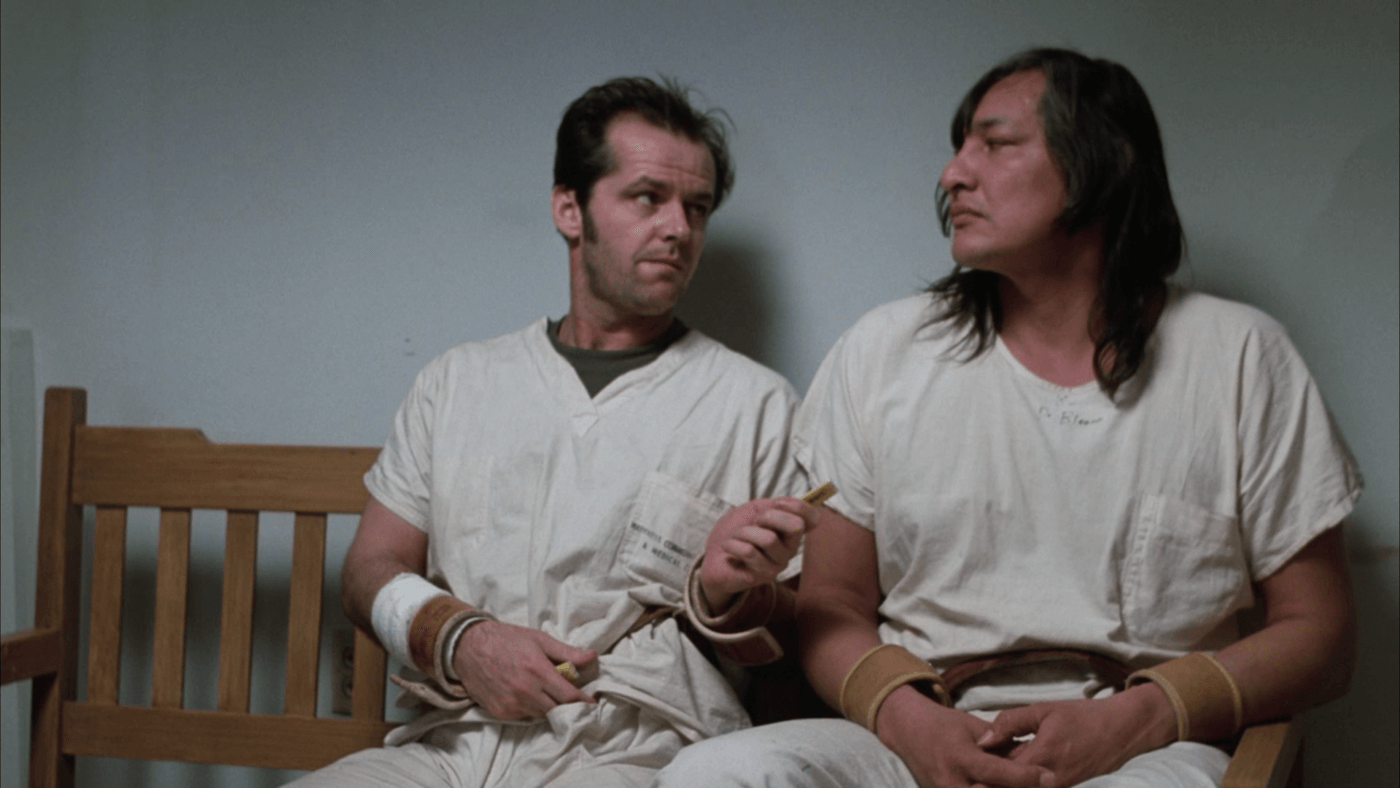
McMurphy’s arrival disrupts the sterile routine of the mental institution, where patients shuffle through their days in medicated compliance under Ratched’s iron-fisted control. His rebellious spirit ignites hope among his fellow patients, including the stuttering Billy Bibbit (Brad Dourif), the anxious Cheswick (Sydney Lassick), and the towering Chief Bromden (Will Sampson), who everyone believes is a deaf-mute.
The film’s narrative structure builds tension methodically, as McMurphy’s increasingly bold acts of defiance clash with Ratched’s cold, calculated authority. What unfolds is not merely a personal conflict but a broader allegory about individual freedom versus institutional control.
Exceptional Performances Across the Board
Jack Nicholson’s Career-Defining Role
Jack Nicholson delivers what many consider his finest performance as McMurphy. His portrayal balances manic energy with genuine vulnerability, creating a character who is simultaneously inspiring and tragic. Nicholson’s McMurphy embodies the rebellious spirit of the 1970s counterculture while maintaining universal appeal through his fundamentally human desires for dignity and freedom.
The performance earned Nicholson the Academy Award for Best Actor, cementing his status as one of Hollywood’s most compelling leading men. His ability to shift seamlessly between comedy and drama keeps audiences both entertained and emotionally invested throughout the film’s devastating trajectory.
Louise Fletcher’s Chilling Portrayal
Louise Fletcher won the Academy Award for Best Actress for her portrayal of Nurse Ratched, creating one of cinema’s most memorable antagonists. Fletcher’s performance is masterfully restrained, using subtle facial expressions and controlled vocal delivery to convey Ratched’s manipulative nature.
What makes Fletcher’s Ratched so terrifying is her veneer of professional competence and caring concern. She never raises her voice or loses her composure, yet her passive-aggressive control tactics prove more devastating than any overt cruelty. The actress transforms what could have been a cartoonish villain into a complex, chilling representation of institutional oppression.
Supporting Cast Excellence
The ensemble cast features remarkable performances from actors who would later become household names. Danny DeVito reprised his role as the patient Martini from the 1971 off-Broadway production, bringing childlike innocence to the character that contrasts sharply with the ward’s oppressive atmosphere.
Christopher Lloyd and Brad Dourif made their feature film debuts in One Flew Over the Cuckoo’s Nest, with Dourif earning an Oscar nomination for his heartbreaking portrayal of Billy Bibbit. Will Sampson’s Chief Bromden provides the film’s emotional anchor, revealing hidden depths as his character’s true nature emerges.
Masterful Direction and Cinematography
Miloš Forman’s direction demonstrates remarkable restraint and authenticity. The producers shot the film in the Oregon State Hospital, an actual psychiatric hospital, lending an unsettling realism to the proceedings. This decision to use authentic locations rather than constructed sets contributes significantly to the film’s documentary-like feel.
Forman’s approach allows the performances to breathe while maintaining tight narrative control. His background in Czech New Wave cinema brings a naturalistic style that makes the institutional setting feel genuinely oppressive. The director resists the temptation to over-stylize, instead letting the story’s inherent drama speak for itself.
The cinematography by Haskell Wexler captures both the sterile, institutional environment and the brief moments of joy and humanity that McMurphy brings to his fellow patients. The visual contrast between the ward’s cold, clinical spaces and the outdoor fishing expedition sequence effectively illustrates the themes of confinement versus freedom.
Cultural Impact and Lasting Legacy
One Flew Over the Cuckoo’s Nest arrived at a perfect cultural moment, speaking to audiences grappling with questions about authority, conformity, and individual rights. The film’s anti-establishment themes resonated powerfully with 1970s audiences questioning traditional institutions following the Vietnam War and Watergate scandal.
The movie’s examination of mental health treatment practices sparked important conversations about patient rights and institutional reform. While some critics argue that the film oversimplifies complex issues surrounding mental illness, its emotional impact cannot be denied.
Academy Award Dominance
The film won the “Big Five” Academy Awards at the 48th Oscar ceremony, including Best Picture, Best Director, Best Actor, Best Actress, and Best Adapted Screenplay. This rare achievement places One Flew Over the Cuckoo’s Nest alongside only two other films in Oscar history: It Happened One Night (1934) and The Silence of the Lambs (1991).
This unprecedented success reflects the film’s universal appeal and technical excellence across all major categories. The recognition also validated the risk of adapting a beloved counterculture novel into mainstream entertainment.
Themes That Transcend Time (One Flew Over the Cuckoo’s Nest)
Individual vs. Institution
The central conflict between McMurphy and Ratched represents a timeless struggle between individual freedom and institutional control. This theme remains relevant in contemporary discussions about healthcare, education, criminal justice, and corporate culture.
The Price of Rebellion
McMurphy’s journey illustrates both the necessity and the cost of challenging unjust authority. His transformation from self-serving manipulator to genuine advocate for his fellow patients demonstrates how authentic leadership often requires personal sacrifice.
Mental Health and Human Dignity
While the film’s portrayal of mental illness has been criticized as outdated, its core message about treating all people with dignity and respect remains powerful. The movie advocates for seeing individuals rather than diagnoses, personalities rather than symptoms.
Technical Excellence (One Flew Over the Cuckoo’s Nest)
Screenplay Adaptation
Lawrence Hauben and Bo Goldman’s adapted screenplay successfully translates Kesey’s complex novel to the screen while maintaining its emotional core. The writers streamline the narrative without losing the book’s essential themes, creating a tighter dramatic structure suitable for film.
The dialogue feels natural and unforced, allowing character development to emerge through action and interaction rather than exposition. This approach creates more authentic relationships between characters and enhances the film’s emotional impact.
Production Design
The authentic hospital setting provides an invaluable foundation for the story’s believability. The hospital’s director, Dr. Dean R. Brooks, appeared in the film in the role of “Dr. Spivey”, adding another layer of authenticity to the production.
From a financial perspective, understanding the economic impact of such groundbreaking cinema can provide valuable insights for investors interested in entertainment industry trends. For those looking to explore investment opportunities in entertainment and other sectors, resources like HablemosMoney offer comprehensive guides for making informed financial decisions.
Critical Reception and Enduring Praise (One Flew Over the Cuckoo’s Nest)
The film has a 93% rating at Rotten Tomatoes based on reviews from 115 critics, with an average rating of 9.1/10. This exceptional critical consensus reflects the movie’s consistent ability to engage new audiences decades after its release.
Contemporary critics praised the film’s unflinching examination of institutional authority while celebrating its outstanding performances. The movie’s reputation has only grown over time, with many film scholars considering it essential viewing for understanding American cinema of the 1970s.
Key Strengths and Minor Criticisms (One Flew Over the Cuckoo’s Nest)
What Works Brilliantly
• Exceptional ensemble acting that creates believable, sympathetic characters • Authentic institutional setting that enhances dramatic credibility • Balanced tone that incorporates humor without undermining serious themes • Powerful emotional arc that builds to a devastating but inevitable conclusion • Timeless themes that remain relevant across generations
Areas of Debate
• Simplified portrayal of mental illness that some critics find problematic • Gender representation that reflects 1970s perspectives rather than contemporary understanding • Narrative focus that sometimes overshadows the complexity of institutional issues
Box Office and Commercial Success (One Flew Over the Cuckoo’s Nest)
One Flew Over the Cuckoo’s Nest proved that serious, adult-oriented dramas could achieve both critical acclaim and commercial success. The film’s box office performance demonstrated audience appetite for challenging material when presented through compelling storytelling and outstanding performances.
The movie’s financial success paved the way for other ambitious literary adaptations and established a template for prestige filmmaking that balanced artistic integrity with mainstream appeal. For modern audiences interested in understanding investment strategies within the entertainment industry, examining the financial models behind such successful films provides valuable insights into sustainable creative business practices.
Technical Innovations and Influence (One Flew Over the Cuckoo’s Nest)
The film’s naturalistic approach influenced a generation of filmmakers seeking to create more authentic dramatic experiences. Forman’s decision to cast non-professional actors alongside established stars created a unique ensemble dynamic that many subsequent directors have attempted to replicate.
The movie’s success also demonstrated the commercial viability of stories centered on social issues, encouraging studios to greenlight similar projects throughout the late 1970s and early 1980s.
Cultural References and Modern Relevance (One Flew Over the Cuckoo’s Nest)
One Flew Over the Cuckoo’s Nest continues to resonate with contemporary audiences facing their own struggles with institutional authority. The film’s themes appear regularly in discussions about healthcare reform, education policy, and criminal justice reform.
Modern viewers often draw parallels between Ratched’s manipulative control tactics and contemporary examples of institutional gaslighting or authoritarian overreach. This ongoing relevance ensures the film’s continued place in academic curricula and popular culture discussions.
Conclusion: A Timeless Masterpiece (One Flew Over the Cuckoo’s Nest)
One Flew Over the Cuckoo’s Nest stands as a testament to the power of collaborative filmmaking at its finest. Every element—from Nicholson’s magnetic performance to Fletcher’s chilling portrayal, from Forman’s assured direction to the authentic institutional setting—contributes to a cohesive artistic achievement that transcends its era.
The film succeeds because it grounds its larger themes in deeply human characters whose struggles feel both specific and universal. McMurphy’s journey from selfish opportunist to tragic hero reflects the complexity of real human motivation, while Ratched’s systematic cruelty reveals how institutions can corrupt even those who believe they’re helping.
Nearly five decades after its release, One Flew Over the Cuckoo’s Nest remains essential viewing for anyone interested in powerful storytelling, exceptional acting, or the ongoing struggle between individual freedom and institutional control. Its influence on subsequent filmmaking cannot be overstated, and its emotional impact remains as devastating as ever.
For cinema enthusiasts seeking to understand the evolution of American film during one of its most creative periods, this masterpiece provides both entertainment and education. The movie demonstrates how great art can emerge from the intersection of source material, talented performers, skilled direction, and perfect timing.
In an age where institutional trust continues to erode and questions about mental health treatment remain pressing, One Flew Over the Cuckoo’s Nest offers both a warning about the abuse of power and a celebration of the human spirit’s refusal to be completely broken. It reminds us that sometimes the most important battles are fought not for victory, but for dignity.
The film’s Academy Award sweep was not merely a recognition of technical excellence—it was an acknowledgment of cinema’s power to illuminate the darkest corners of human experience while affirming our capacity for compassion, courage, and hope. In that sense, One Flew Over the Cuckoo’s Nest remains not just a great movie, but a vital piece of American cultural heritage that continues to challenge and inspire new generations of viewers.
For additional insights into classic cinema analysis and investment opportunities in entertainment, visiting reputable sources like the Academy of Motion Picture Arts and Sciences provides valuable resources for both film enthusiasts and industry professionals.
Leave a Reply