
The Sopranos (2007) Complete TV Review
The Sopranos (2007) Complete TV Review
The Sopranos stands as television’s most groundbreaking drama series, fundamentally reshaping the landscape of prestige television during its run from 1999 to 2007. Created by David Chase, this HBO masterpiece follows Tony Soprano, a New Jersey mob boss struggling to balance his criminal empire with family life and mounting psychological pressures. More than just a crime drama, The Sopranos redefined what television could achieve as an artistic medium.
A Revolutionary Approach to Television Drama
When The Sopranos premiered in 1999, television was still considered the smaller sibling to cinema. However, this series single-handedly elevated the medium, proving that complex, cinematic storytelling could thrive on the small screen. The show’s influence extends far beyond its own narrative – it paved the way for acclaimed series like Breaking Bad, Mad Men, and countless others that followed.
The series concluded in 2007 with one of television’s most controversial and discussed endings, cementing its place as a cultural phenomenon that continues to spark debate and analysis among critics and fans alike.
Masterful Performances That Define Excellence
James Gandolfini’s Career-Defining Performance
James Gandolfini’s portrayal of Tony Soprano represents one of television’s greatest acting achievements. Gandolfini is the best dramatic actor in TV history, and I don’t know that anybody else is particularly close, according to television critics who have analyzed his transformative performance.
His role as Tony Soprano has been described as one of the greatest and most influential performances in television history. Gandolfini brought remarkable depth to Tony, making him simultaneously sympathetic and terrifying. The actor’s ability to convey vulnerability beneath Tony’s brutal exterior created a character of unprecedented complexity for television.
Tragically, Gandolfini passed away in 2013 at the age of 51 from a heart attack in Rome, leaving behind a legacy that continues to influence actors and creators in the television industry.
Edie Falco’s Brilliant Carmela Soprano
Edie Falco delivered an equally masterful performance as Carmela Soprano, Tony’s wife caught between moral conflict and material comfort. Her role as mob wife Carmela Soprano on the HBO series The Sopranos garnered widespread acclaim, and is often regarded as one of the greatest performances in television history.
Falco’s nuanced portrayal earned her three Primetime Emmy Awards for Outstanding Lead Actress in a Drama Series. Her chemistry with Gandolfini was remarkable, with both actors sharing what Falco described as “a strangely specific, similar way that we work”.
The professional relationship between Gandolfini and Falco was unique in television. “I’m in love with Edie,” Gandolfini said in 2012, adding “I don’t know if I’m in love with Carmela or Edie or both”. This blurring of character and actor demonstrated the extraordinary commitment both brought to their roles.
Outstanding Supporting Cast
The Sopranos featured an ensemble cast that elevated every episode:
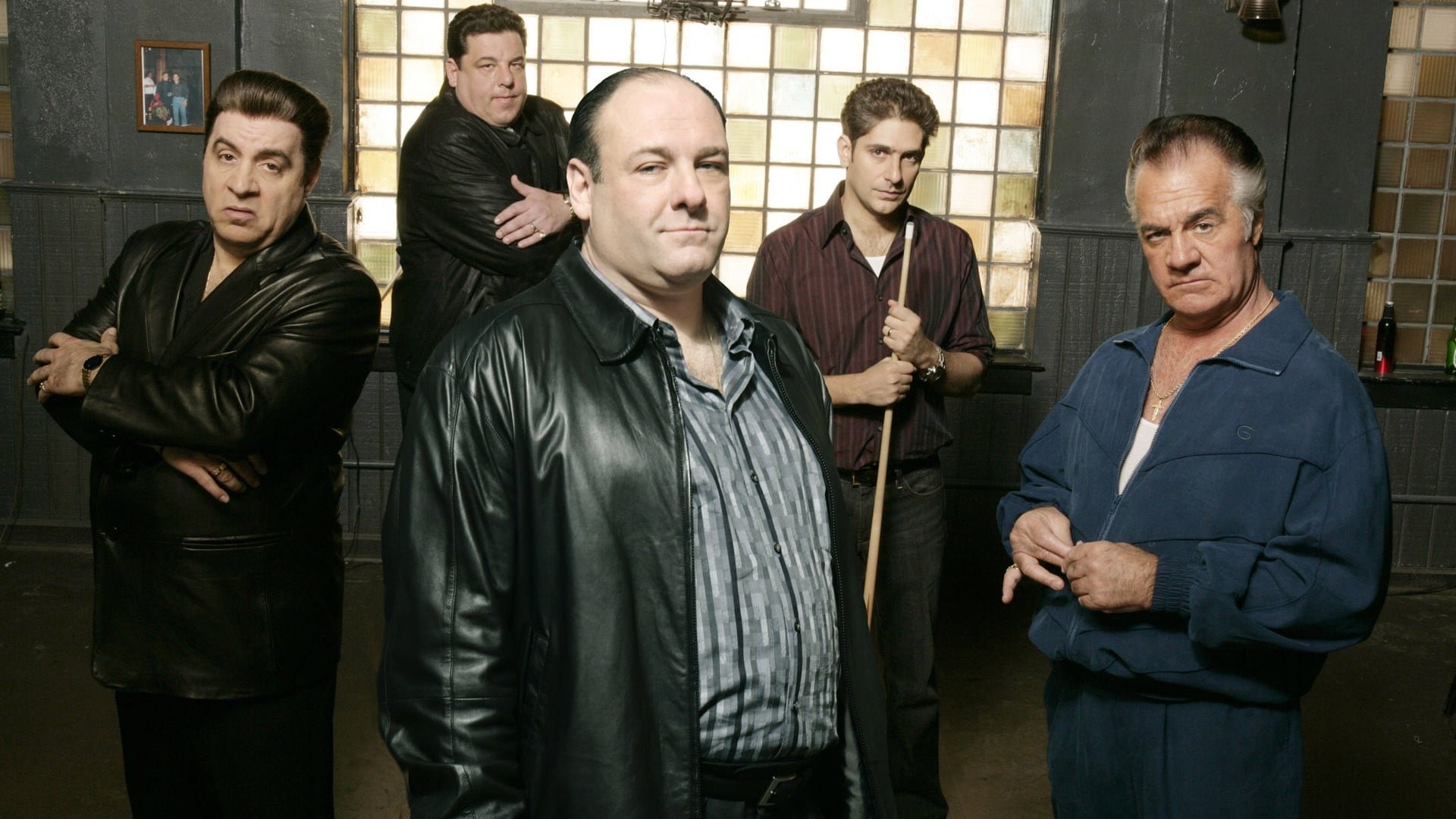
• Lorraine Bracco as Dr. Jennifer Melfi, Tony’s psychiatrist who provided the show’s psychological framework • Michael Imperioli as Christopher Moltisanti, Tony’s volatile protégé whose arc embodied the series’ themes of loyalty and betrayal • Tony Sirico as Paulie Walnuts, bringing authentic street credibility to his role • Steven Van Zandt as Silvio Dante, the E Street Band musician who transformed into a convincing mob enforcer • Nancy Marchand as Livia Soprano, Tony’s manipulative mother whose death during the series forced creative adjustments
Each supporting character felt fully realized, contributing to the rich tapestry that made The Sopranos feel like a lived-in world rather than a television set.
Groundbreaking Storytelling and Themes
Psychological Complexity
The Sopranos broke new ground by making psychotherapy a central narrative device. Tony’s sessions with Dr. Melfi provided unprecedented insight into the psychology of a criminal, exploring themes of:
• Family dysfunction and generational trauma • The intersection of mental health and criminality • Identity crisis in changing times • The American Dream’s dark underbelly
Realistic Character Development
Unlike traditional television antiheroes, Tony Soprano wasn’t a character viewers were meant to root for unconditionally. The Sopranos presented him as genuinely flawed and often despicable, while still maintaining viewer investment in his story. This complex moral positioning influenced countless subsequent television dramas.
Cultural Commentary
The series served as sharp social commentary on:
• The decline of traditional American institutions • Suburban alienation and materialism • The erosion of family values • Class tensions in modern America
Technical Excellence and Production Values
Visual Style and Direction
The Sopranos established a visual language that became the template for prestige television. The series employed:
• Naturalistic lighting and cinematography • Authentic New Jersey locations that grounded the story in reality • Subtle visual metaphors that rewarded careful viewing • Dynamic camera work that enhanced dramatic tension
Writing Excellence
The writing on The Sopranos set new standards for television drama. Each episode balanced:
• Complex character development • Multiple storylines that intersected meaningfully • Dialogue that felt authentic to each character’s background • Slow-burn plotting that prioritized character over action
Cultural Impact and Legacy
Influence on Television
Breaking Bad creator Vince Gilligan said in 2013 shortly after Gandolfini’s death, “Without Tony Soprano, there would be no Walter White”. This statement encapsulates The Sopranos’ revolutionary impact on television storytelling.
The series proved that:
• Television could tackle complex, morally ambiguous subjects • Audiences would embrace challenging, uncomfortable protagonists • Cable television could compete with cinema for cultural relevance • Long-form storytelling could achieve artistic heights
Critical Acclaim and Awards
The Sopranos earned unprecedented critical recognition:
• James Gandolfini and Edie Falco were each nominated six times for Outstanding Lead Actor and Actress, respectively, both winning a total of three awards • Multiple Emmy wins across categories including writing, directing, and supporting performances • Two consecutive George Foster Peabody Awards in 1999 and 2000 • Consistent placement on “greatest television series” lists
Behind-the-Scenes Insights
James Gandolfini’s Generosity
When Gandolfini received a significant pay increase, “he called us into his trailer, one by one, and gave everybody a check for $30,000” according to cast member Drea de Matteo. This generosity reflected Gandolfini’s character off-screen and his commitment to his fellow actors.
Creative Challenges
The production faced unique challenges, including:
• Nancy Marchand’s death only 21 episodes into the series, which changed plot decisions • Gandolfini’s struggles with the pressure of carrying the series • Balancing authentic mob portrayal with entertainment value
Financial and Commercial Success
The Sopranos transformed HBO’s business model and proved that premium cable could generate massive subscriber growth. The series’ success helped establish HBO as a dominant force in original programming, influencing the network’s approach to content creation that continues today.
For audiences interested in understanding the business impact of groundbreaking television series like The Sopranos, HablemosMoney provides comprehensive analysis of how entertainment investments and innovative content strategies drive industry transformation.
The Controversial Ending
The series finale remains one of television’s most debated conclusions. The Sopranos’ final scene, with its abrupt cut to black, divided audiences and critics. This ending exemplified the series’ commitment to challenging viewer expectations rather than providing conventional closure.
The ambiguous conclusion:
• Sparked countless theories and discussions • Reinforced the series’ themes about uncertainty and mortality • Demonstrated confidence in audience intelligence • Became a cultural touchstone for analyzing storytelling techniques
Lasting Relevance
Contemporary Viewing
The Sopranos remains remarkably relevant to modern audiences. The series’ exploration of:
• Economic anxiety and middle-class struggles • Family dysfunction in the digital age • Mental health awareness and therapy • Political and social fragmentation
These themes resonate as strongly today as they did during the original broadcast.
Educational Value
The series has become essential viewing for:
• Film and television students studying narrative structure • Psychology courses examining criminal behavior • Sociology classes analyzing American culture • Media studies programs exploring television’s evolution
Technical Innovations
The Sopranos pioneered several techniques that became standard in prestige television:
- Long-form character development – Characters evolved gradually over multiple seasons
- Realistic dialogue patterns – Conversations felt natural rather than scripted
- Integrated music selection – Songs enhanced narrative meaning beyond mere atmosphere
- Authentic casting choices – Actors embodied their characters rather than playing types
Streaming Era Renaissance
The Sopranos has found new audiences in the streaming era, proving its timeless appeal. The series’ availability on modern platforms has:
• Introduced younger viewers to its groundbreaking storytelling • Allowed for binge-watching that reveals new narrative layers • Sparked fresh academic and critical analysis • Maintained its position as essential television viewing
The Internet Movie Database continues to rank The Sopranos among the greatest television series ever created, with consistently high user ratings that reflect its enduring quality.
Final Verdict
The Sopranos represents the gold standard of television drama, a series that fundamentally changed what audiences expected from the medium. Its influence extends far beyond entertainment, affecting how we discuss mental health, family dynamics, and American society.
The series succeeds on multiple levels:
• Artistic Achievement – Demonstrates television’s potential as high art • Cultural Impact – Influenced countless subsequent series and creators
• Performance Excellence – Features career-defining work from its entire cast • Narrative Innovation – Established new standards for long-form storytelling • Historical Significance – Marks a turning point in television’s cultural status
For anyone seeking to understand modern television’s evolution, The Sopranos remains essential viewing. Its complex characters, sophisticated writing, and fearless exploration of uncomfortable truths created a template that continues to influence the medium today.
The Sopranos didn’t just entertain audiences – it elevated television into an art form capable of rivaling the greatest achievements in cinema and literature. Nearly two decades after its conclusion, the series continues to reward new viewing experiences, revealing additional layers of meaning with each encounter.
This masterpiece of television drama stands as proof that exceptional storytelling, combined with fearless performances and uncompromising vision, can create art that transcends its medium and achieves genuine cultural significance. The Sopranos remains not just great television, but great art, period.
Leave a Reply