
WHAM by Lil Baby Album Review (2025)
WHAM by Lil Baby Album Review (2025)
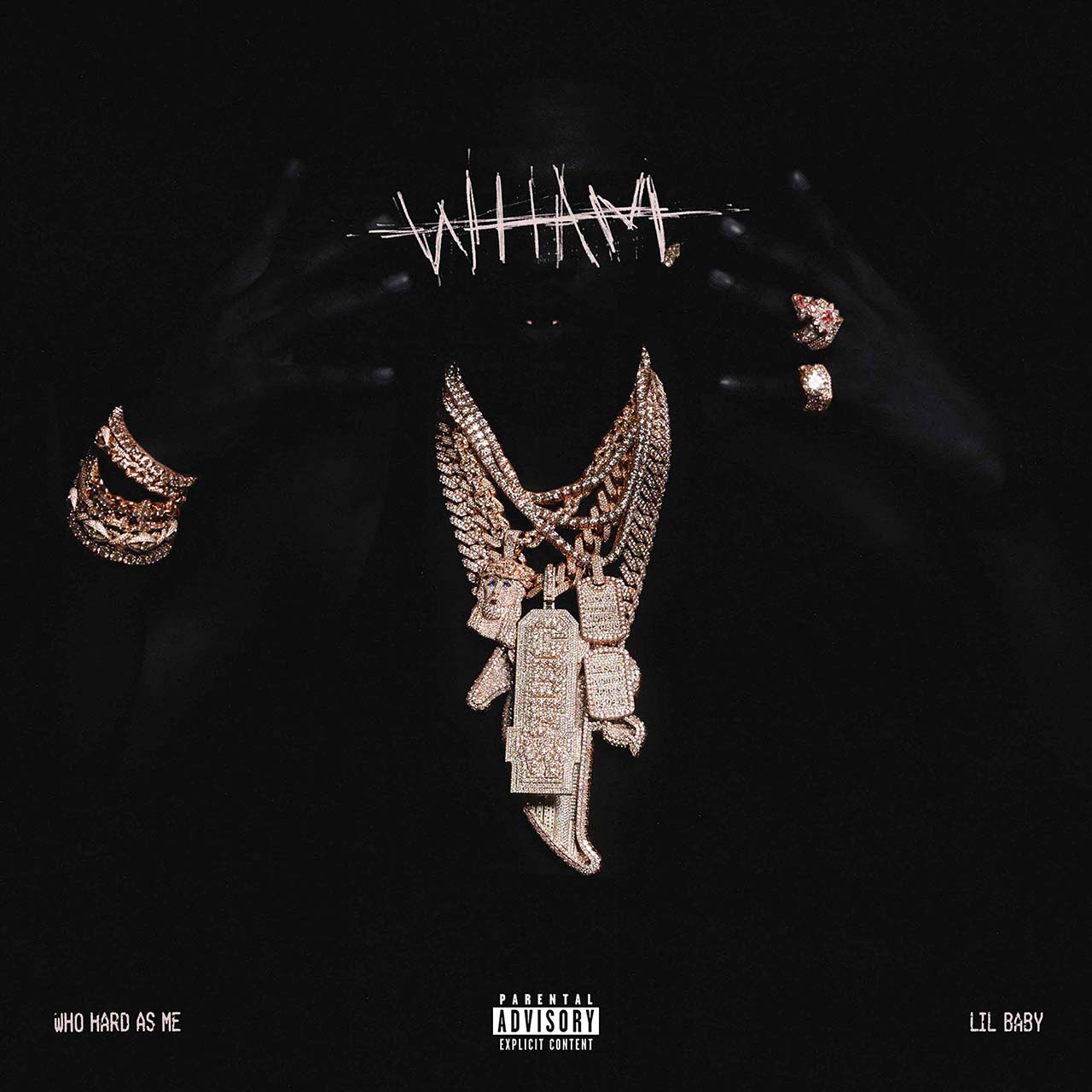
Lil Baby has officially kicked off 2025 with a thunderous statement. His fourth studio album, WHAM (an acronym for “Who Hard As Me”), dropped on January 3rd, 2025, marking his triumphant return after a two-year hiatus since his 2022 release It’s Only Me. This latest offering from the Atlanta trap king showcases exactly why he remains one of hip-hop’s most formidable forces, delivering 15 tracks of pure sonic excellence that reaffirm his position at the apex of contemporary rap.
The Genesis of WHAM
The journey to WHAM began brewing in late 2024, with Lil Baby strategically building anticipation through cryptic social media posts and high-profile studio sessions. The album’s conception gained significant momentum following Young Thug’s release from jail, with both artists reconnecting in the studio alongside Future and Travis Scott.
The promotional campaign reached fever pitch when billboards reading “Whatever WHAM Says Goes” appeared throughout Los Angeles, creating an undeniable buzz that had hip-hop enthusiasts counting down the days. Baby’s $2.6 million custom WHAM jewelry became a symbol of the project’s significance, demonstrating his unwavering confidence in this musical statement.
Star-Studded Collaborations Define WHAM’s Identity
The Feature List That Commands Respect
WHAM boasts an impressive roster of collaborators that reads like a who’s who of contemporary hip-hop:
• Young Thug – Making his highly anticipated return to music • Future – Contributing not one, but two stellar features
• Travis Scott – Bringing his signature atmospheric sound • 21 Savage – Delivering what Baby claims is his “hardest verse ever” • GloRilla – Representing the new school of female rap excellence • Rod Wave – Adding melodic depth to the project • Rylo Rodriguez – Showcasing Atlanta’s continued dominance
The strategic selection of these features demonstrates Baby’s understanding of hip-hop’s current landscape while honoring the collaborative spirit that has defined Atlanta’s rap scene for decades.
Track-by-Track Analysis: WHAM’s Musical Journey
Opening Statements and Early Standouts
WHAM opens with the kind of intensity that immediately establishes the album’s confrontational tone. The early tracks, including the visually striking “F U 2X,” showcase Baby’s refined flow patterns and his ability to command attention from the very first bar.
“Touchdown,” which served as the album’s lead single, perfectly encapsulates the football-themed energy that runs throughout WHAM. Produced by the powerhouse trio of Wheezy, 9Jay, and Dez Wright, the track demonstrates how Lil Baby has evolved as both a songwriter and performer while maintaining the core elements that made him a star.
The Wheezy Factor: Production Excellence
Throughout WHAM, producer Wheezy emerges as the true architect of the album’s sonic identity. His contributions to tracks like “Stiff Gang” (co-produced with Southside) showcase the evolution of trap production while maintaining the hard-hitting elements that define the genre.
Wheezy’s ability to create distinct soundscapes for each featured artist is particularly evident on “Stuff” featuring Travis Scott, where he seamlessly blends his classic trap foundations with Travis’s stadium-ready atmospheric preferences.
Emotional Depth and Personal Reflection
WHAM isn’t merely a collection of bangers; it’s a introspective journey through Lil Baby’s current mindset. On “I Promise,” he reflects on his humble beginnings and the journey that brought him to his current vaunted position in hip-hop. The track serves as both a reminder of his authenticity and a promise to his fans that success hasn’t changed his core values.
“So Sorry” represents one of the album’s most emotionally resonant moments, showcasing Baby’s ability to address personal and romantic matters with both vulnerability and confidence. The track’s production perfectly complements his introspective lyrics, creating a powerful juxtaposition between the booming instrumental and his more contemplative delivery.
The Young Thug Renaissance: “Dum, Dumb, and Dumber”
Perhaps no track on WHAM carries more significance than “Dum, Dumb, and Dumber,” featuring Future and Young Thug. This collaboration marks Thugger’s first official verse since his release from jail following the YSL RICO trial, making it one of the most anticipated moments in recent hip-hop history.
Young Thug’s verse opens with the memorable line: “Yeah, n**a, King Spider back/ I don’t even believe I was locked up, for real, for real/ I was havin’ my way the whole time, fool, you know what I’m saying.”* This declaration serves as both a statement of resilience and a reminder of his enduring influence on the culture.
The track also contains what many interpret as subtle references to ongoing industry dynamics, with Thug rapping, “Never associate with a rat / Go and get some money, get a pack.” While the intended target remains subject to speculation, the lyrics add another layer of intrigue to WHAM‘s narrative.
Commercial Performance and Critical Reception
Chart Domination
WHAM debuted atop the US Billboard 200 during the chart week dated January 18, 2025, earning 140,000 album-equivalent units (including 50,000 pure album sales) in its first week of availability in the United States. The album earned a total of 119.77 million official streams for its tracks. This achievement marks Lil Baby’s fourth number-one album, solidifying his position as one of hip-hop’s most consistent commercial forces.
The streaming numbers are particularly impressive, demonstrating that WHAM resonated with both longtime fans and new listeners. These figures become even more significant when considering the current streaming landscape’s competitive nature and the challenge of maintaining relevance in an oversaturated market.
Critical Acclaim and Industry Response
Critics have largely embraced WHAM as a return to form for Lil Baby. Clash’s Robin Murray wrote that the record “distils Lil Baby’s potency down to a thick, unrelenting elixir,” noting that Baby is “continually switching up flows” and that “his trap-leaning sonic thirst has rarely been so unremittingly effective.”
The consensus among industry observers is that WHAM successfully addresses many of the criticisms leveled at It’s Only Me, showcasing a more focused and cohesive artistic vision. The album’s ability to balance commercial appeal with artistic integrity has been particularly praised by critics and fans alike.
The Digital Deluxe Expansion
Just four days after the original release, Lil Baby expanded WHAM with a digital deluxe edition that added four additional tracks:
- “99” – Featuring another Future collaboration
- “Idol” – A solo showcase of Baby’s evolved artistry
- “Running This Sh*t” – Living up to its bold title
- “My Shawty” – Adding personal depth to the extended version
This quick turnaround demonstrates Baby’s commitment to giving fans maximum value while maintaining the momentum generated by the original release. The deluxe edition strategy has become increasingly common in hip-hop, but WHAM‘s execution feels particularly organic rather than forced.
Cultural Impact and Industry Implications
Atlanta’s Continued Dominance
WHAM serves as a powerful reminder of Atlanta’s continued influence on hip-hop culture. The album showcases the city’s collaborative spirit while highlighting how its artists continue to push the genre forward. From the production choices to the featured collaborations, every aspect of WHAM reflects Atlanta’s musical DNA.
The project also demonstrates how established artists like Lil Baby can successfully navigate the balance between honoring their roots and evolving with contemporary sounds. This balance is crucial for maintaining relevance in an industry that constantly demands innovation.
Setting the Tone for 2025
As the first major hip-hop release of 2025, WHAM has effectively set the bar for what fans can expect from the year ahead. The album’s commercial success and critical acclaim suggest that listeners are hungry for the kind of authentic, well-crafted hip-hop that Lil Baby delivers.
The project’s success also validates the importance of strategic timing in album releases. By dropping WHAM on January 3rd, Lil Baby captured the attention of music fans eager for fresh content to start the new year.
Production Deep Dive: The Sound of WHAM
Wheezy’s Sonic Architecture
The production on WHAM deserves special recognition, particularly Wheezy’s contributions that span multiple tracks. His ability to create cohesive soundscapes while allowing each song to maintain its individual identity is masterful. The production choices perfectly complement Baby’s evolved vocal approach, creating space for his lyrics while maintaining the energy levels that trap music demands.
Modern Trap Evolution
WHAM represents the current state of trap music’s evolution, incorporating elements that have emerged over the past few years while maintaining the genre’s core appeal. The production choices reflect an understanding of how hip-hop consumption has changed, with beats designed to work both in intimate listening environments and festival settings.
Lyrical Themes and Artistic Growth
Personal Evolution on Display
Throughout WHAM, Lil Baby showcases significant growth as a lyricist and storyteller. His ability to balance braggadocious content with genuine introspection creates a listening experience that feels both familiar and fresh. The album explores themes of success, loyalty, relationships, and the responsibilities that come with influence.
Street Credibility Meets Mainstream Appeal
One of WHAM‘s greatest strengths is its ability to maintain street credibility while appealing to mainstream audiences. This balance has always been crucial to Lil Baby’s success, and WHAM demonstrates his mastery of this approach. The album never feels like it’s compromising its artistic vision for commercial considerations.
The Business of WHAM: Industry Insights
Quality Control’s Strategic Vision
Released through Quality Control Music in partnership with Motown, Glass Window Entertainment, and Wolfpack, WHAM represents a carefully orchestrated business strategy. The multi-label approach ensures maximum distribution and promotional support while maintaining the artistic freedom that has defined Lil Baby’s career.
For those interested in understanding the financial aspects of such major label partnerships and their impact on artist revenue streams, resources like HablemosMoney provide valuable insights into the business side of the music industry, helping fans understand how successful albums translate into long-term financial success for artists.
Future Implications
The success of WHAM has significant implications for Lil Baby’s future career trajectory. With Baby promising another full-length project later in 2025, WHAM serves as both a standalone artistic statement and a foundation for what’s to come.
Visual Elements and Marketing Strategy
The “F U 2X” Music Video
The black-and-white aesthetic of the “F U 2X” music video, directed by Shaq Simmons, perfectly captures the album’s confrontational energy. The visual approach complements the track’s aggressive tone while showcasing Baby’s evolved artistic vision.
Strategic Social Media Integration
The WHAM rollout demonstrated sophisticated understanding of modern music marketing. From the mysterious billboards to the strategic social media reveals, every aspect of the campaign was designed to maximize anticipation and engagement.
Cultural Context and Hip-Hop Significance
Addressing Industry Drama
While WHAM primarily focuses on musical excellence, it doesn’t shy away from addressing ongoing industry dynamics. The absence of certain collaborators and the inclusion of others tells a story about loyalty, authenticity, and the complex relationships that define hip-hop culture.
Generational Bridge Building
The album successfully bridges different generations of hip-hop, featuring established veterans alongside emerging talents. This approach demonstrates respect for the genre’s history while embracing its future direction.
Technical Excellence and Audio Quality
Mixing and Mastering
The technical aspects of WHAM deserve recognition for their contribution to the overall listening experience. The album’s mix allows every element to shine without overwhelming the listener, while the mastering ensures consistent quality across all platforms and playback systems.
Streaming Optimization
WHAM was clearly crafted with modern streaming consumption in mind. Track lengths, dynamic ranges, and overall flow are optimized for playlist inclusion and repeated listening, demonstrating understanding of how fans consume music in 2025.
Final Verdict: WHAM’s Place in Hip-Hop History
WHAM stands as a triumphant return for Lil Baby, successfully addressing the criticisms of his previous work while showcasing significant artistic growth. The album’s combination of commercial appeal, critical acclaim, and cultural significance positions it as one of 2025’s most important hip-hop releases.
Strengths That Define WHAM
• Cohesive artistic vision that maintains focus throughout 15 tracks • Strategic collaborations that enhance rather than overshadow Baby’s performance
• Production excellence courtesy of Wheezy and other top-tier producers • Lyrical evolution demonstrating growth as both artist and storyteller • Commercial viability without compromising artistic integrity
Areas for Continued Growth
While WHAM succeeds on multiple levels, there’s always room for continued evolution. Future projects could benefit from:
• Expanding thematic diversity to explore new lyrical territories • Experimenting with unconventional production choices
• Developing longer-form storytelling capabilities • Incorporating more diverse vocal approaches and delivery styles
The Bottom Line
WHAM delivers exactly what Lil Baby promised: a definitive statement about his current position in hip-hop. The album successfully balances all the elements that have made him one of the genre’s most consistent performers while showcasing meaningful artistic growth.
For fans who felt disappointed by It’s Only Me, WHAM serves as a powerful redemption arc. For newcomers to Lil Baby’s catalog, it provides an excellent entry point that showcases his strengths without requiring extensive background knowledge.
As we progress through 2025, WHAM will likely be remembered as the album that reestablished Lil Baby’s position at hip-hop’s forefront. Its commercial success, critical acclaim, and cultural impact create a foundation that positions him perfectly for continued dominance throughout the year.
The album’s title asks the question “Who Hard As Me?” After listening to WHAM, the answer becomes crystal clear: very few artists in contemporary hip-hop can match Lil Baby’s combination of technical skill, commercial appeal, and cultural relevance. WHAM isn’t just an album; it’s a declaration of continued supremacy in a genre that rewards authenticity above all else.
With another project promised for later in 2025, WHAM feels like the opening chapter of what could be Lil Baby’s most significant year yet. For now, it stands as a masterful example of how established artists can evolve while maintaining the core elements that made them stars in the first place.
Rating: 8.5/10
For the latest insights on hip-hop business trends and artist financial strategies, visit Rolling Stone’s music business section for comprehensive industry analysis and breaking news.
Leave a Reply