
Karate Kid Legends (2025) Movie Review
Karate Kid Legends (2025) Movie Review
The legendary franchise returns with heart, honor, and stunning martial arts choreography that bridges two worlds
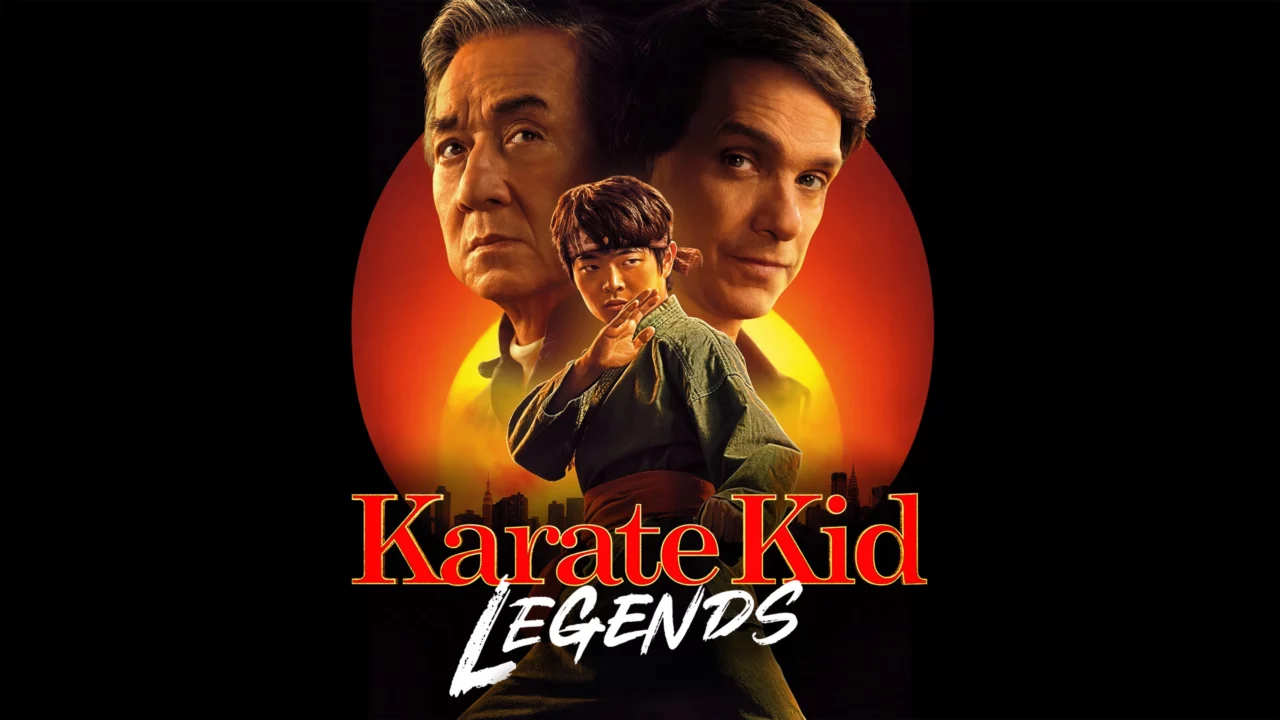
After a 15-year hiatus from the big screen, the beloved martial arts franchise makes its triumphant return with Karate Kid Legends, a film that successfully unites the iconic worlds of Jackie Chan’s 2010 reboot and Ralph Macchio’s original trilogy. This latest installment proves that some stories truly are timeless, delivering both nostalgic satisfaction for longtime fans and fresh excitement for newcomers to the dojo.
The Bottom Line
Karate Kid Legends succeeds where many franchise revivals fail by honoring its past while confidently stepping into the future. Despite some pacing issues and familiar plot beats, the film delivers genuine emotional depth, spectacular action sequences, and a star-making performance from Ben Wang that ensures the franchise’s legacy is in capable hands.
Plot and Setting: East Coast, New Challenges
The story follows Li Fong (Ben Wang), a kung fu prodigy from Beijing who relocates to New York City with his mother following a family tragedy. When Li’s peaceful new life is disrupted by local karate champion Conor Day, he must learn to defend himself and those he cares about. The plot cleverly moves the action from the West Coast to New York, providing a fresh urban backdrop that feels both contemporary and authentic.
Key Story Elements:
• Li’s struggle to adapt to American culture while maintaining his Chinese heritage • The forbidden romance with Mia Lipani (Sadie Stanley), daughter of former boxing champion Victor Lipani (Joshua Jackson) • The mentorship triangle between Li, Mr. Han (Jackie Chan), and Daniel LaRusso (Ralph Macchio) • The climactic tournament that serves as both personal redemption and cultural bridge-building
“The way Li tries to move forward through martial arts is truly inspiring, blending Eastern philosophy with American determination in ways that feel both familiar and revolutionary.”
The script by Rob Lieber respects the franchise’s DNA while introducing contemporary themes of immigration, cultural identity, and intergenerational trauma. The story doesn’t shy away from addressing the real-world challenges faced by young Asian Americans navigating between two cultures.
Outstanding Performances: A New Generation Takes Center Stage (Karate Kid Legends)
Ben Wang as Li Fong
Ben Wang delivers a breakout performance that immediately establishes him as a worthy successor to the Karate Kid legacy. The 25-year-old actor, known for his role as Jin Wang in Disney+’s American Born Chinese, brings both martial arts authenticity and genuine emotional vulnerability to Li Fong. Wang’s fluency in Mandarin and extensive martial arts training (including karate, kung fu, kenpo, and taekwondo) allows him to handle both the physical demands and cultural nuances of the role with remarkable skill.
What sets Wang apart is his ability to make Li’s journey feel personal rather than formulaic. His portrayal of a young man caught between honoring his heritage and embracing his new home resonates with authentic emotion. Wang represents a significant milestone as the first Asian American actor to play the central protagonist in a Karate Kid film, bringing representation that feels natural rather than forced.
Sadie Stanley as Mia Lipani
Sadie Stanley proves she’s far more than just the romantic interest, delivering a performance that gives Mia agency and depth. The 23-year-old actress, best known for her title role in Disney Channel’s live-action Kim Possible and her work on Freeform’s Cruel Summer, brings both strength and vulnerability to Mia, making her relationship with Li feel genuine and earned.
Stanley’s background in action (she performed her own stunts in Kim Possible) serves her well here, as Mia isn’t relegated to the sidelines during the film’s more intense moments. Her chemistry with Wang feels natural and unforced, avoiding the typical teen romance clichés that could have derailed the emotional core of the story.
The Returning Legends
Jackie Chan and Ralph Macchio slide back into their iconic roles with the comfort of old masters returning to familiar territory. Chan’s Mr. Han has evolved since 2010, showing new layers of wisdom and paternal warmth while maintaining his signature blend of humor and martial arts prowess. Macchio’s Daniel LaRusso feels like a natural extension of his Cobra Kai character development, bringing decades of hard-earned wisdom to his mentorship of Li.
Joshua Jackson provides excellent support as Victor Lipani, bringing his natural charisma and dramatic weight to a role that could have been thankless. His portrayal of a former champion struggling with debt and family responsibilities adds real-world stakes to the story.
Action and Choreography: East Meets West in Perfect Harmony (Karate Kid Legends)
Director Jonathan Entwistle (The End of the F**ing World*) demonstrates remarkable skill in staging the film’s martial arts sequences. The action choreography successfully blends traditional kung fu with classic karate, creating fight scenes that feel both authentic and cinematic.
Fight Sequence Highlights:
- The School Confrontation – Li’s first encounter with Conor showcases his raw kung fu skills
- The Alley Rescue – A grittier sequence where Li saves Victor from thugs
- Training Montages – Beautifully shot sequences showing the fusion of kung fu and karate techniques
- The Rooftop Finale – An epic showdown that brings together all the film’s martial arts philosophies
The choreography avoids the over-stylized wire work that can make modern martial arts films feel disconnected from reality. Instead, the fights emphasize technique, strategy, and the philosophical underpinnings of both martial arts disciplines.
Direction and Technical Excellence (Karate Kid Legends)
Jonathan Entwistle’s direction strikes an impressive balance between honoring franchise traditions and establishing his own visual style. The film’s cinematography captures both the bustling energy of New York City and the serene beauty of traditional martial arts training. The editing keeps the pace moving without feeling rushed, though some sequences in the second act could have benefited from tighter pacing.
Technical Achievements:
• Cinematography – Gorgeous blend of urban grit and martial arts poetry • Production Design – Authentic New York locations paired with beautifully designed dojos • Sound Design – Every punch, kick, and block feels impactful • Score – A moving blend of Eastern and Western musical traditions
The film’s visual language successfully differentiates between the kung fu and karate worlds while showing how they can complement each other. The production design creates authentic spaces that feel lived-in rather than constructed for the camera.
Cultural Significance and Representation (Karate Kid Legends)
Karate Kid Legends arrives at a crucial time for Asian American representation in Hollywood. The film marks a significant step forward by featuring the first Asian American protagonist in the franchise’s central role, addressing a long-standing gap in martial arts cinema where Asian actors were often relegated to supporting roles.
The screenplay handles Li’s cultural identity with nuance and respect, exploring themes of:
• Immigration and adaptation – The challenges of maintaining cultural identity while embracing new opportunities • Intergenerational trauma – How family tragedy shapes personal growth and relationships • Cultural bridge-building – The fusion of Eastern and Western martial arts philosophies as a metaphor for cultural understanding
The film avoids both exoticizing Asian culture and completely westernizing its protagonist, instead finding a authentic middle ground that feels both specific and universal.
Franchise Connections and Future Potential (Karate Kid Legends)
While Karate Kid Legends stands on its own as a complete story, it skillfully weaves connections to both the original trilogy and the 2010 reboot. The film serves as a continuation of both The Karate Kid (2010) and the television series Cobra Kai, though it maintains enough independence that newcomers won’t feel lost.
The opening sequence featuring Mr. Miyagi’s historical connection to the Han family provides elegant exposition that enriches the franchise mythology without feeling forced. These connections feel organic rather than obligatory, suggesting a franchise that’s confident in its storytelling rather than reliant on nostalgia alone.
Box Office and Reception
As of June 6, 2025, Karate Kid Legends has grossed $29.2 million in the United States and Canada, and $26 million in other territories, for a worldwide total of $55.2 million. While the opening weekend performance was somewhat modest, the film’s strong word-of-mouth and international appeal suggest potential for long-term success.
Critical reception has been mixed but generally positive, with 58% of critics giving positive reviews on Rotten Tomatoes, while audiences have been more enthusiastic, earning an 88% user score – the highest in the franchise’s history.
Strengths and Weaknesses (Karate Kid Legends)
What Works:
• Ben Wang’s star-making performance – Charismatic, skilled, and emotionally authentic • Spectacular fight choreography – Seamlessly blends different martial arts styles • Cultural authenticity – Respectful handling of Asian American identity and immigrant experience • Strong supporting cast – Particularly Sadie Stanley and Joshua Jackson • Visual excellence – Beautiful cinematography and production design • Emotional resonance – Genuine heart beneath the martial arts spectacle
Areas for Improvement:
• Predictable plot structure – Follows familiar franchise formulas too closely • Pacing issues – Some sequences feel rushed, particularly in the third act • Underdeveloped antagonist – Conor Day lacks the complexity of the franchise’s best villains • Limited screen time for legends – Chan and Macchio could have been utilized more extensively
For those interested in the financial aspects of filmmaking and box office analysis, HablemosMoney offers excellent insights into how franchise films like Karate Kid Legends perform in the global marketplace.
Final Verdict: A Worthy Addition to the Legacy (Karate Kid Legends)
Karate Kid Legends succeeds in its most important mission: proving that this beloved franchise still has stories worth telling. While it doesn’t reinvent the wheel, it demonstrates that classic formulas can still work when executed with skill, heart, and respect for both the source material and contemporary audiences.
Ben Wang emerges as a genuine star, carrying the film with the same mixture of vulnerability and strength that made the original Karate Kid so enduring. The film’s commitment to authentic representation and cultural specificity elevates it above simple nostalgia-bait, creating a story that feels both timeless and timely.
For fans of the franchise, Karate Kid Legends provides the satisfying return to form they’ve been waiting for. For newcomers, it offers an accessible entry point into a world of honor, discipline, and the eternal struggle between good and evil. Most importantly, it sets up future installments with confidence and purpose.
The film may not achieve the cultural lightning-in-a-bottle impact of the 1984 original, but it doesn’t need to. Instead, it carves out its own space in the Karate Kid universe while honoring everything that made the franchise special in the first place.
Rating Scale:
⭐⭐⭐⭐☆ 4/5 Stars
Final Recommendation:
Karate Kid Legends is a crowd-pleasing return to form that balances nostalgia with fresh storytelling. While it plays things relatively safe plot-wise, the excellent performances, stunning action sequences, and genuine cultural authenticity make it a worthy addition to the franchise. Whether you’re a longtime fan or a newcomer to the dojo, this film delivers the heart, humor, and spectacular martial arts action that make the Karate Kid legacy endure.
For more detailed analysis of how Karate Kid Legends fits into the broader landscape of action cinema and franchise filmmaking, The Hollywood Reporter provides comprehensive coverage of the film industry’s biggest stories and trends.
Karate Kid Legends is now playing in theaters nationwide. The film runs 94 minutes and is rated PG-13 for martial arts action violence and some language.
Leave a Reply