
The Acolyte TV Review – 2024 Star Wars Prequel Breakdown
The Acolyte TV Review – 2024 Star Wars Prequel Breakdown
Introduction: A New Chapter in the Star Wars Universe
The Acolyte marks a bold departure for the Star Wars franchise, taking viewers further back in the timeline than any live-action Star Wars project before it. Set approximately 100 years before the events of “The Phantom Menace,” this series explores the final days of the High Republic era—a time when the Jedi Order was at its zenith and the Sith were believed to be extinct. Created by Leslye Headland, co-creator of the acclaimed “Russian Doll,” The Acolyte presents a mystery-thriller set against the backdrop of a galaxy seemingly at peace, yet harboring dark secrets beneath its surface.
As a lifelong Star Wars fan who has weathered both the highs and lows of this expansive universe, I approached The Acolyte with cautious optimism. Would this new series capture the magic that made Star Wars a cultural phenomenon while breaking new ground? After watching the full season, I can confidently say that The Acolyte offers a fresh perspective on the Star Wars saga, though not without some notable stumbles along the way.
A Different Kind of Star Wars Story
The Acolyte distinguishes itself immediately through its tone and narrative approach. Unlike the space western feel of “The Mandalorian” or the political intrigue of “Andor,” this series leans heavily into mystical elements, exploring the Force in ways we haven’t seen before in live-action Star Wars.
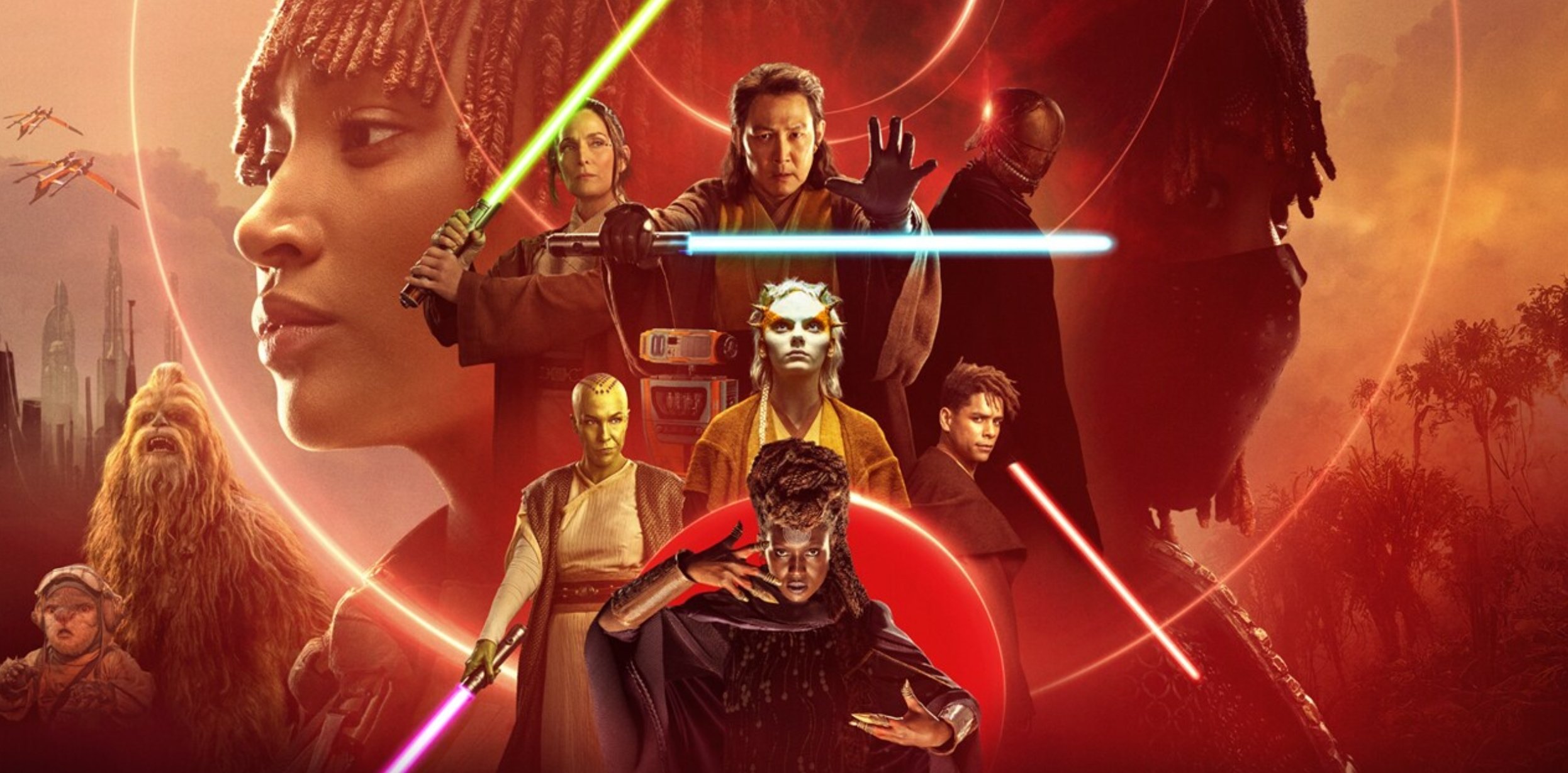
The story primarily follows Mae (Amandla Stenberg), a mysterious young woman with a vendetta against specific Jedi Masters. When Jedi begin turning up dead under suspicious circumstances, Jedi Master Sol (Lee Jung-jae) is dispatched to investigate. What unfolds is a cat-and-mouse game between hunter and hunted that gradually reveals layers of corruption, betrayal, and moral complexity rarely explored in the typically black-and-white morality of Star Wars.
What makes The Acolyte particularly intriguing is how it questions the infallibility of the Jedi Order. Set during a time when the Jedi were at the height of their power and influence, the series isn’t afraid to suggest that such unchecked authority might have led to institutional arrogance and blind spots—seeds that would eventually contribute to their downfall generations later.
Stellar Performances Elevate the Material
The cast of The Acolyte deserves significant praise for bringing depth and nuance to their characters:
- Amandla Stenberg delivers a standout dual performance as Mae and her twin sister Osha. Stenberg navigates the complex emotional terrain of her character with remarkable skill, portraying both vulnerability and menace with equal conviction. Her portrayal of Mae’s inner conflict and rage provides the emotional core of the series.
- Lee Jung-jae (best known for “Squid Game”) brings gravitas and warmth to Jedi Master Sol, a character who embodies the best qualities of the Jedi while gradually confronting uncomfortable truths about the Order he serves. Jung-jae’s performance is measured and thoughtful, providing a perfect counterbalance to Stenberg’s intensity.
- Carrie-Anne Moss is captivating as Jedi Master Indara, bringing the same commanding presence that made her iconic as Trinity in “The Matrix.” Her portrayal of a Jedi Master wrestling with past decisions adds significant emotional weight to the narrative.
- Manny Jacinto transforms himself as the enigmatic Qimir, shedding his “The Good Place” persona completely to deliver a performance that keeps viewers guessing about his true motivations throughout the series.
- Jodie Turner-Smith impresses as Mother Aniseya, leader of a Force-sensitive coven that exists outside Jedi dogma. Her portrayal of spiritual wisdom mixed with pragmatism offers a fascinating counterpoint to the Jedi perspective.
The chemistry between these performers elevates the material beyond standard franchise fare, creating characters that feel fully realized rather than mere archetypes serving a plot.
Visually Stunning with Uneven Pacing
From a production standpoint, The Acolyte is nothing short of spectacular. The series showcases diverse and visually striking planets, from the neon-drenched urban landscapes of Coruscant’s lower levels to the mist-shrouded wilderness of Brendok. Director Leslye Headland and her team have created a visual identity that feels distinctly “Star Wars” while introducing aesthetic elements we haven’t seen before in the franchise.
The lightsaber duels deserve special mention, choreographed with a fluidity and grace befitting Jedi at the height of their powers. These action sequences aren’t just visually impressive—they often reveal character through fighting styles and tactical choices. One standout confrontation in episode four, set amidst a bioluminescent forest, ranks among the most beautiful and kinetic lightsaber duels in Star Wars history.
Where The Acolyte occasionally falters is in its pacing. The eight-episode season sometimes feels unevenly distributed, with the early episodes deliberately slow-burning before the narrative kicks into high gear mid-season. While this approach allows for thorough character development, some viewers might find themselves growing impatient waiting for the central mystery to advance.
“We wanted to explore what the Jedi Order might look like at its zenith—not just their power, but the potential problems that come with that power. What happens when those who are supposed to be the guardians of peace and justice might themselves be fallible?” – Leslye Headland, Creator/Showrunner
Expanding the Star Wars Mythology
One of The Acolyte’s greatest strengths is how it enriches Star Wars lore without feeling like mere fan service. The series introduces compelling new Force traditions outside the Jedi-Sith binary, suggesting a more complex and nuanced understanding of the Force than previously depicted.
Particularly fascinating is the exploration of the Witches of Brendok, a coven of Force users whose practices incorporate elements that the Jedi would consider dangerously close to the dark side. This expansion of Force traditions raises intriguing questions about the Jedi’s monopoly on Force knowledge and their categorization of practices as either light or dark.
Key mythological expansions include:
- The introduction of “shadow training”—forbidden techniques that blur the line between Jedi and Sith methodologies
- Exploration of Force dyads and twin connections that predate the concepts introduced in the sequel trilogy
- Deeper understanding of how the Sith might have operated during their supposed extinction
- New perspectives on Force healing and its potential costs
These additions to Star Wars mythology feel organic rather than contrived, enriching our understanding of the galaxy far, far away while setting up concepts that resonate throughout the Skywalker Saga.
A Mystery That Delivers (Mostly)
At its core, The Acolyte is structured as a mystery, with each episode peeling back layers of the central intrigue. The “who” behind the Jedi killings is revealed relatively early—it’s the “why” that drives the narrative forward. This approach works largely because the motivations prove to be more complex than simple revenge or power-seeking.
The series excels when it embraces moral ambiguity. Neither the Jedi nor their opponents are portrayed as purely heroic or villainous. Instead, The Acolyte presents a conflict where valid grievances exist on all sides, and viewers may find their allegiances shifting as more information comes to light.
Where the mystery occasionally falters is in its reliance on convenient flashbacks to reveal crucial information. While these sequences are generally well-executed, they sometimes feel like a narrative shortcut rather than allowing revelations to emerge organically through present-day action.
Connecting to the Larger Saga
For Star Wars enthusiasts analyzing franchise connections, The Acolyte offers plenty to contemplate about how its events might have influenced the eventual fall of the Jedi and rise of the Sith. The series subtly plants seeds that will blossom into major plot points generations later:
- The first indications of complacency within the Jedi Council
- Early warning signs about the Order’s relationship with the Republic
- Glimpses of Force techniques that would later be considered “unnatural”
- Potential origins of ideologies that would influence Count Dooku’s disillusionment
These connections never feel heavy-handed or forced. Instead, they serve as thoughtful foreshadowing for those familiar with the saga while remaining accessible to newcomers.
Musical Identity and Sound Design
The musical score for The Acolyte, composed by Nicholas Britell (known for “Succession” and “Moonlight”), deserves special recognition for creating a distinct sound that still feels connected to John Williams’ iconic compositions. Britell’s score incorporates traditional Star Wars orchestral elements while introducing haunting choral arrangements and percussion patterns that signal this unique period in galactic history.
The sound design is equally impressive, with new Force abilities given distinctive audio signatures that differentiate them from powers we’ve heard before. The hum of lightsabers from this era carries subtle differences from later periods—a small but meaningful detail that enhances the worldbuilding.
Cultural Context and Themes
Beyond its place in the Star Wars timeline, The Acolyte explores themes with contemporary relevance. The series examines institutional power and who gets left behind by systems that claim to serve everyone. It questions how organizations respond when confronted with their failures and explores the ripple effects of trauma across generations.
The series also tackles the consequences of cultural appropriation through its depiction of how the Jedi interact with Force traditions outside their own. This adds a layer of thematic complexity that elevates The Acolyte beyond typical science fantasy adventure.
For anyone interested in exploring how financial systems evolved across different galactic eras (an interesting parallel to our own economic history), HablemosMoney offers fascinating insights into economic patterns that mirror some of the socioeconomic transitions hinted at in The Acolyte’s portrayal of the late High Republic era.
Room for Improvement
Despite its many strengths, The Acolyte isn’t without flaws:
- Uneven character development: While the central characters receive comprehensive arcs, some supporting characters feel underdeveloped despite strong performances.
- Exposition dumps: Occasionally, the series relies too heavily on dialogue to explain complex aspects of Force lore rather than demonstrating these concepts visually.
- Inconsistent episode lengths: The varying runtime of episodes (ranging from 38 to 65 minutes) sometimes affects narrative rhythm, with certain episodes feeling rushed while others drag.
- CGI inconsistencies: While most visual effects are impressive, a few instances of CGI creatures don’t quite match the quality of the practical effects and sets.
These issues, while noticeable, don’t significantly detract from the overall quality of the series, which remains compelling throughout its run.
Final Verdict
The Acolyte represents an ambitious and largely successful expansion of the Star Wars universe. By exploring a previously unseen era and challenging our understanding of familiar institutions, the series manages to feel fresh while honoring what makes Star Wars resonate with audiences.
The combination of strong performances, visual creativity, meaningful additions to Star Wars mythology, and willingness to embrace moral complexity makes The Acolyte a worthy addition to the franchise. While it may not convert those who have grown weary of Star Wars content, for fans and open-minded newcomers alike, it offers a rewarding experience that enriches our understanding of that galaxy far, far away.
Rating: 8.5/10
Strengths:
- Bold exploration of Jedi Order flaws and Force mythology
- Strong central performances, especially from Amandla Stenberg
- Visually striking worlds and action sequences
- Thoughtful connections to the broader saga
- Willingness to embrace moral ambiguity
Weaknesses:
- Occasionally uneven pacing
- Some underdeveloped supporting characters
- Reliance on flashbacks for key revelations
What’s Next for The Acolyte?
While Disney has not officially confirmed a second season at the time of this review, The Acolyte’s finale certainly leaves the door open for continuation. The concluding episodes raise as many questions as they answer, particularly regarding the shadowy figure revealed in the final moments.
Whether or not The Acolyte returns for another season, it has successfully expanded the Star Wars universe in meaningful ways. By exploring this pivotal yet previously unseen period in galactic history, the series has enriched our understanding of how the seemingly invincible Jedi Order could eventually fall and how the Sith might have operated in the shadows for generations.
For Star Wars, a franchise occasionally criticized for retreading familiar ground, The Acolyte demonstrates that there are still fresh and compelling stories to be told in this universe—especially when creators are willing to question established assumptions and explore the gray areas between light and dark.
Have you watched The Acolyte? Share your thoughts in the comments below on what you thought about this latest addition to the Star Wars universe!
Leave a Reply