
Kevin Costner’s the West Season 1 TV Review (2025)
Kevin Costner’s the West Season 1 TV Review (2025)
Bottom Line: Kevin Costner’s the West delivers an ambitious and visually stunning exploration of American frontier history, though it struggles with pacing issues and polarizing narration that may divide audiences between those seeking entertainment and those craving historical accuracy.
Executive Summary
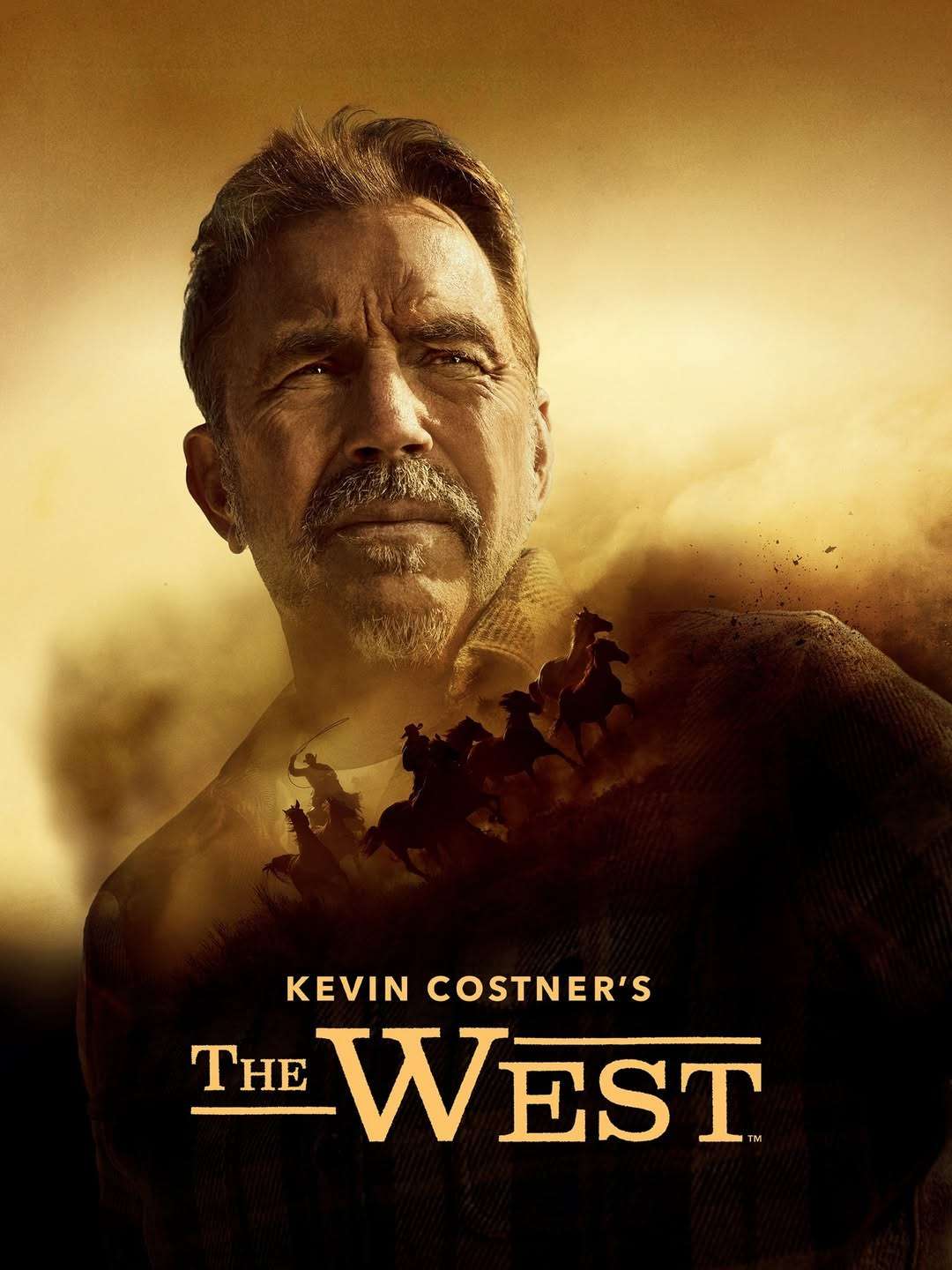
Kevin Costner’s the West premiered on May 26, 2025, on the History Channel as an eight-part documentary series that examines the relentless competition for land, power, and identity that forged America’s westward expansion. Executive produced by Costner alongside Pulitzer Prize-winning historian Doris Kearns Goodwin, the series spans a century of pivotal events from the Revolutionary War through the establishment of the American frontier.
Kevin Costner’s the West represents a significant departure from Hollywood’s romanticized portrayal of the Old West, instead offering what the series bills as an “unvarnished” look at America’s expansion. The series emerged from Costner’s childhood fascination with westerns, sparked when he saw “How the West Was Won” at age seven, and represents his latest effort to bring authentic frontier stories to modern audiences.
Series Overview and Format
Premise and Structure
The documentary series provides a fresh look at the epic history of the American West by delving into the desperate struggle for the land itself and how it still shapes the America we know today. Kevin Costner’s the West eschews the typical cowboy mythology in favor of examining the complex cultural clashes, power struggles, and territorial conflicts that defined the era.
The story begins immediately after the Revolutionary War when American settlers started their relentless push beyond the Appalachians, covering the period when the “Wild West” was still east of the Mississippi River. Each hour-long episode focuses on specific historical figures and events, from the explorers of the Lewis and Clark Expedition to the battles between Native American tribes and expanding American forces.
Episode Breakdown
The first season’s episodes include:
• Episode 1: “Fallen Timbers” – Chief Little Turtle leads the Northwest Confederacy to victory over U.S. forces before General “Mad” Anthony Wayne’s counterattack enables western expansion
• Episode 2: “Colter’s Run” – John Colter, a hunter from Lewis and Clark’s expedition, joins the fur trade and faces capture by the Blackfeet
• Episode 3: “The Whitman Massacre” – Missionaries Marcus and Narcissa Whitman attempt to convert the Cayuse, leading to cultural clashes and tragic confrontation
• Episode 4: “War for Comancheria” – The abduction of nine-year-old Cynthia Ann Parker sparks confrontations between Comanche and Texas settlers
• Episode 5: “The Ghost of Joaquin Murrieta” – Mexican immigrant Joaquin Murrieta forms an outlaw gang that terrorizes Gold Rush California
• Episode 6: “Bleeding Kansas” – Kansas becomes a battleground over slavery as settlers determine the territory’s future
Production Values and Visual Achievement
Cinematography and Direction
Kevin Costner’s the West excels in its visual presentation, with critics and viewers consistently praising its stunning cinematography. The series features “visually stunning” sequences that bring historical events to life through a combination of dramatic reenactments, expert interviews, and carefully chosen archival materials.
The production is both visually stunning and intellectually engaging, utilizing a patchwork of storytelling and reenactments to bring the long struggle for territorial dominance into focus. The series benefits from high production values that rival premium cable programming, with particular attention paid to period-accurate costumes, settings, and battle sequences.
Historical Accuracy and Research
The documentary’s commitment to historical accuracy represents one of its strongest assets. The series features commentary from renowned historians including Pulitzer Prize-winner Doris Kearns Goodwin, Rice University’s Douglas Brinkley, and Yale University’s Ned Blackhawk, a member of the Te-Moak Tribe of Western Shoshone.
Additional expert contributors include:
• H.W. Brands – Author of “Dreams of El Dorado: A History of the American West” • Peter Stark – Author of “Astoria” • Elliott West – Author of “Continental Reckoning” • Virginia Scharff – Author of “Home Lands: How Women Made the West” • Clay Jenkinson – Author and historical educator • Yohuru Williams – Professor of History at University of St. Thomas • Stephen Aron – President & CEO of Autry Museum of the American West
Critical Analysis
Strengths
Balanced Historical Perspective: Viewers appreciate the series’ balanced approach regarding various groups involved, showing how motivations and pressures influenced conflicts and outcomes. Kevin Costner’s the West makes a conscious effort to present multiple perspectives, particularly giving voice to Native American historians and tribal representatives.
Educational Value: The series provides substantial educational content, with many viewers noting they learned new historical information previously unknown to them. The documentary succeeds in illuminating lesser-known aspects of westward expansion beyond typical frontier mythology.
Expert Commentary: The inclusion of multiple historians, tribal representatives, and descendants provides authoritative insight that reveals “what really happened on the frontier.” The diversity of expert voices helps create a more comprehensive historical narrative.
Areas of Concern
Pacing Issues: The script moves at a fast pace given the expansive nature of the material it covers, sometimes failing to delve deeply into the nuances of complex situations. Some viewers find this approach leaves important historical elements underexplored.
Focus on Conflict: A significant criticism involves the program’s consistent focus on conflict and turmoil, with hopeful stories, uplifting incidents, and celebrations of peacemakers being conspicuously absent. This approach, while historically accurate, may create an overly dark portrayal of frontier life.
Performance Analysis
Kevin Costner’s Narration
Perhaps the most divisive aspect of Kevin Costner’s the West is Costner’s performance as narrator and host. Multiple critics describe his narration as “boring, nasal, and sounding like he wasn’t at all interested in the subject.”
Specific criticisms include:
• Delivery Issues: Costner’s performance is described as “sluggish, monotone” with “painful halting phrasing” and odd pronunciations
• Engagement Problems: Critics note he “looks like a bored sixth grader reading a book report” and appears to stare into space during segments
• Technical Difficulties: Some reviewers found humor in Costner’s struggles with pronunciations, particularly Native American place names like “Kekionga,” which he reportedly mispronounced multiple ways
However, Kevin Costner’s the West also has defenders who appreciate his approach. Some critics find his narration “laconic, authoritative and compassionate,” noting that his recounting imbues audiences with understanding that insights into the past will always be imperfect.
Expert Historians
The historians featured in Kevin Costner’s the West consistently receive praise for their contributions. The “strong narration from experts” provides educational value and historical context that elevates the material. Viewers particularly appreciate hearing stories “told through the lens and commentary of well-known historians” who bring their own research and considerable knowledge to the narrative.
Cultural Impact and Representation
Native American Perspectives
Kevin Costner’s the West makes notable efforts to include Native American voices and perspectives. The series features Ned Blackhawk, a member of the Te-Moak Tribe of Western Shoshone and author of “The Rediscovery of America,” along with tribal historians like Shane Doyle of the Apsáalooke Nation.
The series presents the westward expansion as “a clash of two different ways of seeing life itself – fighting for the future of your homeland on one side and fighting for the destiny of the new republic on the other side.” This approach helps contextualize conflicts beyond simple good-versus-evil narratives.
Contemporary Relevance
The series explicitly connects historical events to modern America, examining how the struggle for western lands “still shapes the America we know today.” Kevin Costner’s the West attempts to demonstrate how frontier conflicts established patterns and relationships that continue to influence contemporary American society.
Presented as part of “History Honors 250,” a multiplatform content initiative leading up to next year’s semiquincentennial of the Declaration of Independence, the series positions itself as essential viewing for understanding American identity.
Audience Reception and Critical Response
Viewer Reactions
Kevin Costner’s the West has generated polarized responses from audiences. Some viewers call it “the best documentary series of the American West that I have ever seen,” praising its historical accuracy and expert commentary.
However, negative reviews focus primarily on presentation issues:
• Narration Concerns: Multiple viewers report falling asleep during episodes or being unable to finish watching due to Costner’s delivery
• Pacing Problems: Some critics describe the series as having “too many pictures, too much narration and too little acting”
• Entertainment Value: One reviewer noted that while the documentary is “entertaining and informative,” irritation with Costner’s performance “will probably preclude any further interest”
Professional Critics
Professional critics have been more measured in their assessments. Rotten Tomatoes features mixed reviews, with some critics praising the “very well balanced” approach and “nice pacing” while others question the effectiveness of Costner’s involvement.
For those seeking financial insights into media investments and entertainment industry analysis, resources like HablemosMoney provide valuable perspectives on how major productions like Kevin Costner’s the West perform in the competitive streaming and cable landscape.
Technical Aspects
Production Team
Kevin Costner’s the West benefits from experienced production personnel:
• Executive Producers: Kevin Costner, Doris Kearns Goodwin, RadicalMedia • Production Companies: Territory Pictures, Pastimes Productions, APX Content Ventures • Distribution: A+E Networks holds worldwide distribution rights • Director: Austin Peters (episodes)
Availability and Distribution
The series airs Monday nights at 9 p.m. on the History Channel, with episodes available the next day on the History Channel app, history.com, and major TV providers’ VOD platforms. Streaming options include Philo, FriendlyTV, DirecTV, Fubo, Hulu + Live TV, and YouTube TV.
According to entertainment industry insights, documentary series like this face increasing competition in the streaming space, where audiences expect both educational content and engaging presentation.
Comparison to Similar Works
Historical Documentaries
Kevin Costner’s the West inevitably invites comparison to Ken Burns’ acclaimed documentary work. Critics note the series is “less romantic than a Ken Burns epic” but still “must-see viewing for American history obsessives.” However, some reviewers suggest that Costner lacks Burns’ documentary craftsmanship, describing the result as reading “from dusty history books with all the dread that most high schoolers feel about their history class.”
Costner’s Previous Works
The series connects thematically to Costner’s previous western projects. Critics note that “The West feels like a natural extension of his Yellowstone persona” and serves as “the perfect outlet for fans that miss his time playing John Dutton.” Costner’s decades of work bringing the American frontier to life includes “Dances With Wolves,” “Hatfields & McCoys,” and “Yellowstone.”
Content Warnings and Age Appropriateness
Violence and Mature Themes
The series’ frank treatment of violence that marked European American migration makes “Kevin Costner’s The West” inappropriate viewing for kids, though teens and adults will likely profit from and enjoy this deep dive into American history.
Content includes: • Historical violence and warfare • Discussion of slavery and cultural genocide • Mature themes regarding territorial conflicts • Graphic descriptions of frontier hardships
The series carries TV-PG and TV-14 ratings depending on episode content.
Future Prospects and Legacy
Impact on Historical Education
Kevin Costner’s the West contributes to ongoing efforts to present more nuanced American history. Costner emphasizes the urgency “to put those times — and the men and women who we think we know — in perspective, in the context of their times, without judgment.”
The series challenges traditional frontier mythology while maintaining respect for the complexity of historical events. As Costner notes, “Everything we’re standing on, blood was shed over it — somebody else’s. We just rolled over the people that were [already] there.”
Documentary Filmmaking
Despite criticisms of Costner’s narration, Kevin Costner’s the West demonstrates the continuing appetite for high-quality historical documentaries. The series’ combination of expert commentary, dramatic reenactments, and contemporary relevance provides a template for future historical programming.
Final Verdict
Kevin Costner’s the West presents a paradox: exceptional historical content undermined by polarizing presentation. The series succeeds admirably in its goal of providing an unvarnished look at American westward expansion, featuring world-class historians and stunning visual production values. However, Costner’s narration proves divisive enough to potentially alienate viewers who might otherwise embrace the educational content.
Strengths: • Comprehensive historical scope covering lesser-known frontier stories • Excellent expert commentary from renowned historians and Native American voices
• High production values with beautiful cinematography and period reenactments • Balanced perspective that challenges romanticized western mythology • Educational value for understanding contemporary American issues
Weaknesses: • Polarizing narration that may distract from historical content • Fast pacing that sometimes sacrifices depth for breadth • Consistent focus on conflict without balancing uplifting stories • Presentation style that may feel dry compared to more entertainment-focused documentaries
Kevin Costner’s the West ultimately succeeds as an educational resource and historical document, even if it struggles as entertainment television. Viewers seeking comprehensive American frontier history will find substantial value, particularly in the expert commentary and diverse perspectives. However, those expecting the engaging storytelling of Costner’s fictional western works may find themselves disappointed by the documentary format’s limitations.
The series earns recommendation for history enthusiasts, educators, and viewers interested in understanding the complex realities behind American expansion mythology. However, potential audiences should prepare for a more academic experience than Costner’s previous entertainment projects might suggest.
Rating: 7/10 – A valuable historical resource that achieves its educational goals despite presentation challenges that prevent it from reaching its full entertainment potential.
Kevin Costner’s the West Season 1 is available on the History Channel and major streaming platforms. New episodes air Monday nights at 9 p.m. through June 30, 2025.
Leave a Reply