
Ordinary People (1980): Movie Review
Ordinary People (1980): Movie Review
Robert Redford’s directorial debut, Ordinary People, stands as a masterpiece of American cinema that delves deep into the complexities of family trauma, grief, and the struggle for authentic human connection. Released in 1980, this psychological drama earned critical acclaim and numerous accolades, including four Academy Awards. The film’s unflinching examination of upper-middle-class dysfunction resonates just as powerfully today as it did over four decades ago.
A Story of Shattered Lives
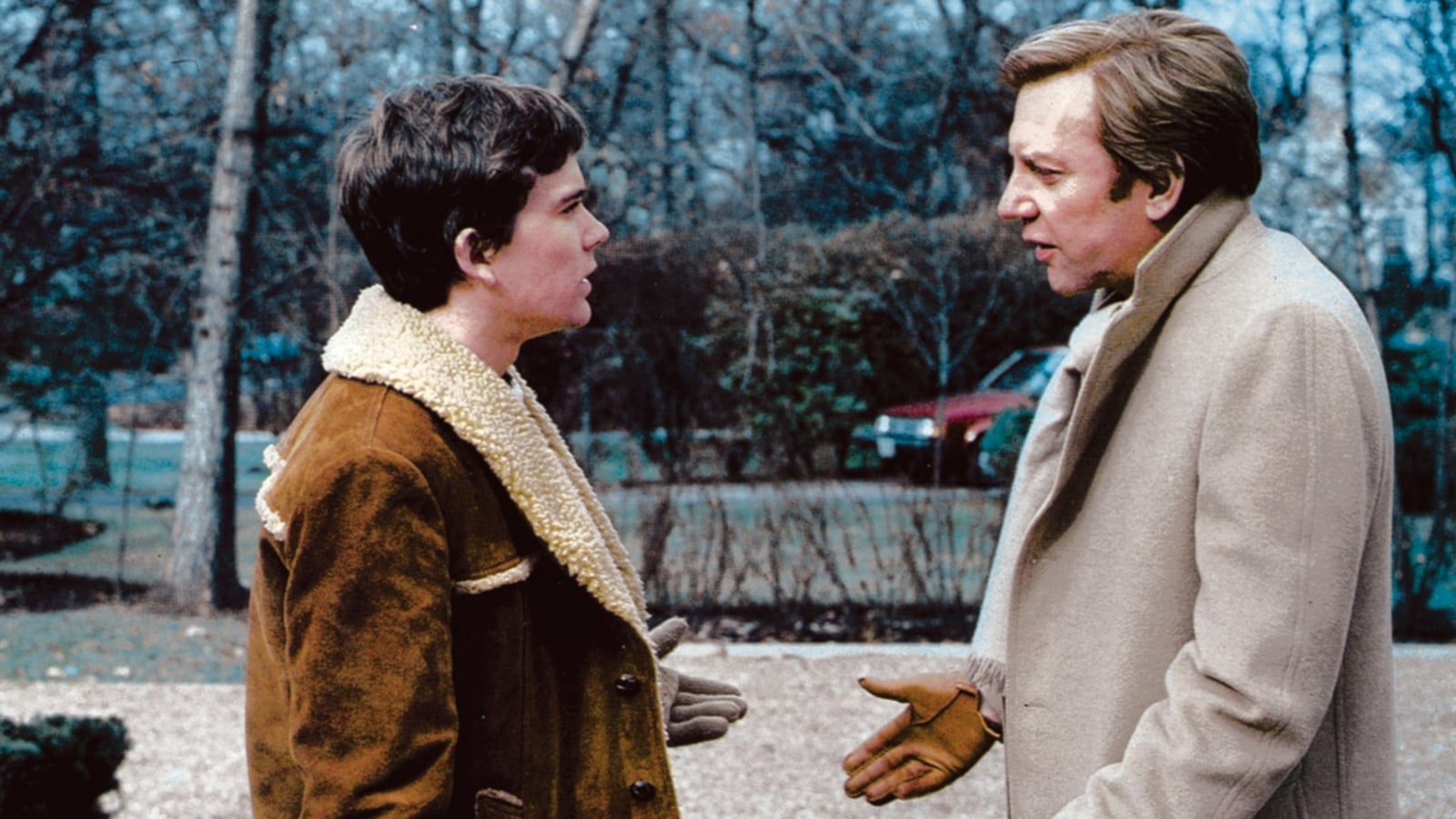
Ordinary People centers on the Jarrett family of Lake Forest, Illinois, following the tragic death of their eldest son Buck in a boating accident. The surviving family members—Calvin (Donald Sutherland), Beth (Mary Tyler Moore), and their younger son Conrad (Timothy Hutton)—each struggle to cope with their devastating loss in profoundly different ways.
Conrad, who survived the accident that claimed his brother’s life, battles overwhelming guilt and depression. His recent return from a psychiatric hospital following a suicide attempt creates an atmosphere of tension and unspoken pain within the household. Calvin, the well-meaning but often ineffectual father, desperately tries to hold his fractured family together while grappling with his own grief. Beth, the seemingly perfect suburban mother, maintains a facade of normalcy while emotionally withdrawing from those who need her most.
The Power of Performance
The performances in Ordinary People are nothing short of extraordinary. Timothy Hutton’s portrayal of Conrad earned him an Academy Award for Best Supporting Actor, making him the youngest male winner in that category at the time. Hutton brings raw vulnerability and authenticity to Conrad’s journey through trauma recovery, capturing the character’s internal struggle with remarkable nuance.
Mary Tyler Moore’s casting against type as the cold, emotionally distant Beth represents one of the film’s most brilliant decisions. Known primarily for her warm, comedic roles, Moore transforms into a woman whose perfectionist exterior masks deep emotional unavailability. Her performance is both chilling and heartbreaking, revealing the destructive power of emotional repression.
Donald Sutherland delivers a career-defining performance as Calvin, the father caught between his wife’s emotional distance and his son’s desperate need for connection. Sutherland masterfully portrays a man who recognizes his family’s dysfunction but lacks the tools to address it effectively.
Themes That Transcend Time
Grief and Its Many Faces
Ordinary People explores how individuals process grief differently, often creating insurmountable barriers between those who should be supporting each other. The film demonstrates that:
• Grief has no timeline or “correct” way of expression • Unprocessed trauma can destroy relationships • Communication becomes nearly impossible when each family member grieves in isolation • Societal expectations of “normal” behavior can prevent authentic healing
The movie’s exploration of grief feels particularly relevant in today’s world, where mental health awareness has increased significantly. The financial and emotional costs of therapy, much like those discussed in personal finance resources such as HablemosMoney, remind us that healing often requires both emotional and practical investment.
The Facade of Perfection
Set against the backdrop of affluent suburban America, Ordinary People critiques the pressure to maintain appearances at all costs. The Jarrett family’s beautiful home and social status cannot shield them from their internal turmoil. The film suggests that the pursuit of perfection often comes at the expense of genuine human connection.
“Everything’s jello and pudding with you, Dad. You don’t see things.”
This powerful line from Conrad encapsulates the film’s central tension between surface-level pleasantries and deeper emotional truths.
Mental Health and Stigma
Four decades before mental health became a mainstream topic of discussion, Ordinary People presented therapy and psychiatric treatment with remarkable sensitivity and realism. Dr. Berger (Judd Hirsch), Conrad’s psychiatrist, represents hope and healing through professional intervention. The film normalizes seeking help for mental health struggles while acknowledging the courage required to confront painful truths.
Technical Excellence
Redford’s Directorial Vision
Robert Redford’s direction demonstrates remarkable restraint and sensitivity. Rather than relying on dramatic flourishes, he allows the story’s emotional weight to emerge naturally through intimate character moments. His decision to focus on subtle details and unspoken tensions creates an atmosphere of mounting psychological pressure that mirrors the family’s internal state.
The film’s pacing deliberately mirrors the slow, often frustrating process of healing from trauma. Redford understands that recovery isn’t linear, and his directorial choices reflect this reality through carefully constructed scenes that reveal character development gradually.
Cinematography and Visual Storytelling
The cinematography by John Bailey captures the stark beauty of suburban Chicago while using visual metaphors to enhance the narrative. The cold, pristine interiors of the Jarrett home contrast sharply with the warmth found in Dr. Berger’s office, visually representing the emotional temperature of different environments.
Weather and seasonal changes throughout Ordinary People serve as external reflections of the characters’ internal states. The film’s visual palette shifts from the cold blues and grays of winter to warmer tones as healing begins, providing subtle reinforcement of the emotional journey.
Marvin Hamlisch’s Understated Score
The musical score by Marvin Hamlisch demonstrates remarkable restraint, never overwhelming the intimate nature of the story. The music emerges only when necessary, allowing silence and natural sound to carry much of the emotional weight. This approach keeps viewers focused on the characters’ internal experiences rather than being manipulated by overwrought musical cues.
Cultural Impact and Legacy
Awards Recognition
Ordinary People swept the 1981 Academy Awards, winning in four major categories:
- Best Picture
- Best Director (Robert Redford)
- Best Supporting Actor (Timothy Hutton)
- Best Adapted Screenplay (Alvin Sargent)
The film’s victory over Martin Scorsese’s Raging Bull for Best Picture remains one of the most discussed Oscar decisions in cinema history, highlighting the Academy’s appreciation for intimate character studies over more stylistically aggressive filmmaking.
Influence on Mental Health Representation
Ordinary People helped pave the way for more nuanced portrayals of mental health in cinema. The film’s realistic depiction of therapy sessions influenced countless subsequent films dealing with psychological trauma. Its impact can be seen in later works that approach mental health with similar sensitivity and authenticity.
The movie’s success also contributed to reducing stigma around seeking professional help for mental health issues. According to research from leading mental health organizations, films like Ordinary People play crucial roles in normalizing conversations about therapy and psychiatric treatment.
Contemporary Relevance
Modern Family Dynamics
Despite being released over forty years ago, Ordinary People remains remarkably relevant to contemporary audiences. The film’s exploration of communication breakdown within families resonates in an era where technology often creates additional barriers to genuine connection.
The pressure to maintain perfect social media personas echoes the film’s critique of suburban perfectionism. Today’s families face similar challenges in balancing public image with private struggles, making the Jarrett family’s story feel surprisingly current.
Economic Pressure and Mental Health
The intersection of financial stability and mental health treatment, subtly present in Ordinary People, remains a significant issue today. The Jarrett family’s economic privilege allows them access to quality mental health care, highlighting disparities that persist in mental health treatment accessibility.
Critical Analysis and Minor Flaws
Pacing Considerations
While Ordinary People benefits from its deliberate pacing, some contemporary viewers may find certain sequences slow by today’s standards. The film’s commitment to realistic dialogue and natural character development occasionally results in moments that feel less dynamic than modern audiences might expect.
Limited Diversity
As a product of its time and setting, Ordinary People presents a homogeneous view of American family life. The film’s focus on white, upper-middle-class suburban experience limits its universal applicability, though this specificity also contributes to its authenticity within that particular context.
The Enduring Power of Authentic Storytelling
What makes Ordinary People extraordinary is its commitment to emotional truth over entertainment value. The film refuses to provide easy answers or neat resolutions to complex psychological issues. Instead, it offers hope through the difficult process of honest self-examination and professional support.
The movie’s greatest strength lies in its recognition that healing requires confronting uncomfortable truths about ourselves and our relationships. Conrad’s journey toward recovery isn’t presented as simple or quick, but rather as a ongoing process requiring courage, support, and genuine commitment to change.
Lessons for Modern Audiences
Ordinary People offers several timeless lessons that remain relevant today:
• Communication requires vulnerability and courage • Professional help can be transformative when approached with openness • Perfectionism often masks deeper emotional issues • Families must work actively to maintain genuine connections • Grief cannot be rushed or controlled
Final Verdict
Ordinary People stands as a testament to the power of intimate, character-driven storytelling. Robert Redford’s directorial debut demonstrates that the most profound cinematic experiences often emerge from the most familiar human experiences—family conflict, loss, and the struggle to connect with those we love most.
The film’s technical excellence, combined with powerhouse performances and sensitive direction, creates a viewing experience that feels both specific to its time and place yet universal in its emotional impact. For viewers seeking cinema that challenges, provokes, and ultimately inspires, Ordinary People delivers on every level.
Nearly half a century after its release, Ordinary People continues to reward repeated viewings, revealing new layers of meaning and emotional complexity with each encounter. It remains essential viewing for anyone interested in the intersection of psychological realism and cinematic artistry.
The film serves as a powerful reminder that extraordinary stories often emerge from the most ordinary circumstances, and that the courage to confront our deepest fears and vulnerabilities can lead to genuine transformation and healing.
Rating: ★★★★★ (5/5 stars)
Ordinary People earns its place among the greatest American films not through spectacle or technical innovation, but through its unwavering commitment to emotional authenticity and the transformative power of honest human connection.
Leave a Reply