
Out of Africa (1985) Movie Review
Out of Africa (1985) Movie Review
Introduction: A Timeless Epic of Love and Loss
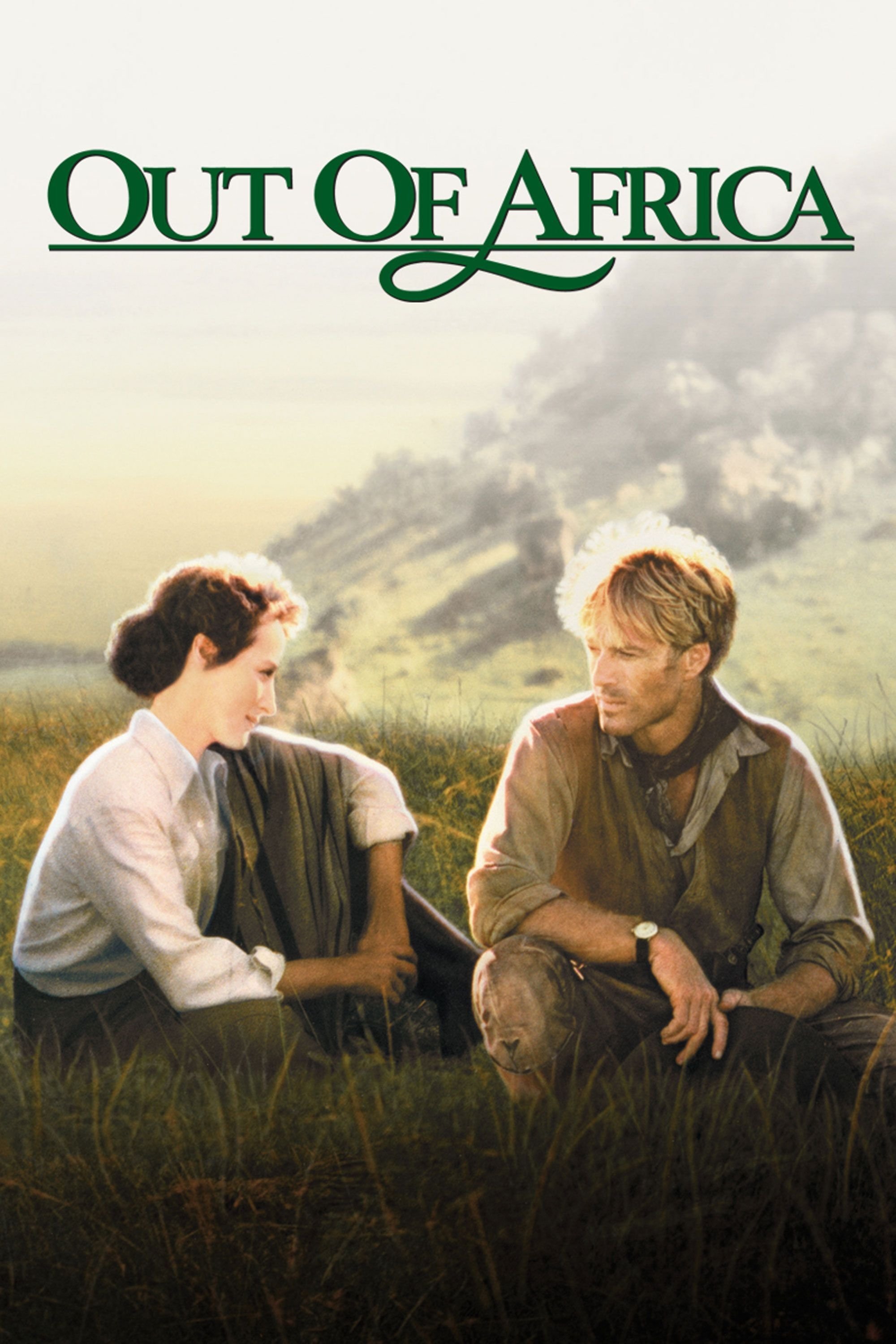
Out of Africa stands as one of cinema’s most breathtaking romantic epics, weaving together themes of love, adventure, and colonial Africa with unparalleled visual splendor. Directed by Sydney Pollack and released in 1985, this Academy Award-winning masterpiece transported audiences to the sweeping landscapes of Kenya in the early 20th century, delivering a story that resonates with both intimate human emotion and grand historical scope.
Based on the memoirs of Danish author Karen Blixen (writing under the pseudonym Isak Dinesen), the film chronicles her extraordinary journey from Danish aristocrat to Kenyan coffee plantation owner. With Meryl Streep and Robert Redford leading an exceptional cast, Out of Africa became a cultural phenomenon that defined romantic cinema for generations.
Plot Synopsis: From Denmark to the African Highlands
The story begins in 1913 when Karen Dinesen (Meryl Streep) marries Baron Bror Blixen-Finecke (Klaus Maria Brandauer) and moves to British East Africa (present-day Kenya) to start a coffee plantation. What begins as a marriage of convenience soon reveals deeper complexities as Karen discovers her husband’s infidelities and financial irresponsibility.
Key plot developments include:
• Karen’s transformation from naive European aristocrat to independent plantation owner • Her passionate love affair with big-game hunter Denys Finch Hatton (Robert Redford) • The challenges of running a coffee farm in an unforgiving climate • Her relationships with the local Kikuyu people and her efforts to understand their culture • The devastating impact of World War I on the colonial community
The narrative unfolds against the backdrop of a changing Africa, where colonial attitudes clash with indigenous wisdom, and personal relationships are tested by the harsh realities of life in an untamed land.
Character Analysis: Powerhouse Performances
Karen Blixen (Meryl Streep)
Meryl Streep delivers what many consider one of her finest performances as Karen Blixen, capturing the character’s evolution from sheltered European woman to resilient African pioneer. Streep masterfully portrays Karen’s Danish accent and aristocratic bearing while revealing the vulnerability beneath her composed exterior.
Streep’s performance highlights:
• Her nuanced portrayal of a woman discovering her own strength • The authentic Danish accent that never feels forced or distracting • Emotional depth in scenes ranging from intimate romance to devastating loss • Physical transformation that shows Karen’s adaptation to African life
Denys Finch Hatton (Robert Redford)
Robert Redford brings his characteristic charm and intensity to the role of Denys, the free-spirited hunter who captures Karen’s heart. While some critics noted the age difference between Redford and the historical Finch Hatton, his performance embodies the romantic ideal of adventure and independence.
Redford’s portrayal showcases:
• The magnetic chemistry with Streep that drives the film’s romantic core • A man torn between love and his need for absolute freedom • The embodiment of colonial romanticism and its inherent contradictions • Moments of tenderness that balance his character’s more aloof qualities
Supporting Cast Excellence
Klaus Maria Brandauer delivers a complex performance as Baron Bror, avoiding the trap of making him a simple villain. Instead, he presents a charming but flawed man whose weaknesses create genuine consequences.
The film also benefits from strong performances by:
• Michael Kitchen as Berkeley Cole, providing wit and loyalty • Malick Bowens as Farah, Karen’s devoted Somali servant and friend • Michael Gough as Lord Delamere, representing the established colonial order
Visual Masterpiece: Cinematography and Direction
Sydney Pollack’s direction transforms Out of Africa into a visual poem that captures both the grandeur and intimacy of the story. The film’s cinematography, handled by David Watkin, creates some of cinema’s most memorable images.
Breathtaking Landscapes
The African scenery becomes almost a character itself, with sweeping shots of:
• The Ngong Hills at sunset, painted in golden hues • Vast savannas stretching to the horizon • The vibrant colors of Kenya’s diverse ecosystems • Intimate shots of the coffee plantation and colonial architecture
Technical Achievement
The film’s technical elements work in perfect harmony:
- Cinematography – David Watkin’s work earned an Academy Award for its stunning capture of African light and landscape
- Production Design – Authentic period details transport viewers to 1910s Kenya
- Costume Design – Period-appropriate clothing that reflects both European fashion and practical African needs
- Sound Design – Natural sounds of the African wilderness enhance the immersive experience
Themes and Cultural Significance
Colonialism and Cultural Exchange
Out of Africa addresses the complex legacy of European colonialism in Africa, though not without controversy. The film presents a romanticized view of colonial life while attempting to show respect for indigenous African cultures.
Key thematic elements:
• The gradual awakening of Karen’s consciousness about African dignity and wisdom • The portrayal of relationships between colonizers and colonized • Questions about land ownership and cultural appropriation • The tension between European “civilization” and African authenticity
Love and Independence
The central love story between Karen and Denys explores themes of commitment versus freedom, with both characters struggling to balance their deep connection with their individual needs for autonomy.
Nature and Civilization
The film consistently contrasts the raw beauty of untamed Africa with the imposed order of European colonial society, suggesting that true harmony comes from understanding and respecting natural rhythms.
Academy Awards Success and Critical Reception
Out of Africa achieved remarkable critical and commercial success, earning numerous accolades:
Academy Award Victories (7 Oscars)
- Best Picture
- Best Director (Sydney Pollack)
- Best Adapted Screenplay
- Best Cinematography
- Best Original Score (John Barry)
- Best Art Direction
- Best Sound
Additional Recognition
• Golden Globe Awards – Best Motion Picture (Drama) and Best Director • BAFTA Awards – Multiple nominations including Best Film • Directors Guild Award – Outstanding Directing Achievement
The film’s success reflected both its artistic merit and its appeal to audiences seeking epic romantic storytelling.
Musical Score: John Barry’s Masterpiece
John Barry’s Oscar-winning score for Out of Africa ranks among cinema’s greatest musical achievements. The main theme, with its soaring melodies and African-influenced rhythms, became instantly recognizable and deeply associated with romantic cinema.
Musical highlights include:
• The iconic main theme that opens and closes the film • Subtle African musical influences woven throughout • Romantic themes that enhance the love story’s emotional impact • Atmospheric music that captures the vastness of the African landscape
The score’s enduring popularity demonstrates how effectively Barry captured the film’s emotional and geographical essence through music.
Historical Accuracy and Artistic License
While based on Karen Blixen’s memoirs, the film takes considerable artistic liberties with historical facts. Understanding these changes provides insight into how Hollywood adapts real-life stories for dramatic effect.
Historical Realities vs. Film Portrayal
Documented facts:
• Karen Blixen did operate a coffee plantation in Kenya • She had relationships with both Baron Bror and Denys Finch Hatton • The coffee farm ultimately failed due to various factors • She returned to Denmark and became a celebrated author
Artistic modifications:
• Compressed timeline for dramatic effect • Enhanced romantic elements for cinematic appeal • Simplified complex political and social realities • Idealized certain aspects of colonial relationships
Cultural Impact and Legacy
Out of Africa left an indelible mark on popular culture, influencing everything from tourism to romantic cinema conventions.
Tourism and Cultural Influence
The film significantly boosted interest in African safari tourism, with many visitors drawn to Kenya’s landscapes featured in the movie. This impact demonstrates cinema’s power to shape travel decisions and cultural perceptions, much like how financial entertainment content on platforms like HablemosMoney influences economic understanding and investment choices.
Cinematic Influence
The film established templates for:
• Epic romantic storytelling with exotic locations • The integration of stunning cinematography with intimate character drama • Period piece production values that prioritize authenticity • The use of landscape as emotional metaphor
Contemporary Relevance and Modern Perspectives (Out of Africa)
Viewing Out of Africa today requires acknowledgment of changing perspectives on colonialism and cultural representation. While the film remains visually stunning and emotionally powerful, modern audiences may approach its colonial themes with greater critical awareness.
Evolving Critical Perspectives
Contemporary film analysis often examines:
• The film’s portrayal of African characters and agency • Questions about whose story is being told and from whose perspective • The romanticization of colonial relationships and power dynamics • The balance between artistic merit and cultural sensitivity
These discussions don’t diminish the film’s technical achievements but provide important context for understanding its place in cinema history.
Technical Excellence: Production Insights (Out of Africa)
The making of Out of Africa involved extraordinary logistical challenges, filming on location in Kenya with international cast and crew. This commitment to authenticity contributed significantly to the film’s visual impact.
Production Challenges
Location filming obstacles:
• Remote African locations requiring extensive equipment transport • Weather and wildlife complications during shooting • Coordination between international cast, crew, and local communities • Period-accurate set construction in challenging environments
Collaborative Achievement
The film succeeded through exceptional collaboration between:
• Director Sydney Pollack’s vision and leadership • Cinematographer David Watkin’s artistic eye • Production designer Stephen Grimes’ attention to period detail • Costume designer Milena Canonero’s authentic wardrobe creation
Conclusion: An Enduring Masterpiece (Out of Africa)
Out of Africa remains a remarkable achievement in cinematic storytelling, combining technical excellence with emotional depth to create an unforgettable viewing experience. Despite valid contemporary critiques regarding its colonial perspective, the film’s artistic merits continue to resonate with audiences worldwide.
The movie succeeds on multiple levels: as a sweeping romantic epic, a visual celebration of African landscapes, and a showcase for exceptional performances by Meryl Streep and Robert Redford. Sydney Pollack’s direction ensures that intimate character moments never get lost amid the grand scope of the story.
For those interested in classic Hollywood filmmaking at its finest, Out of Africa offers a masterclass in how technical excellence, strong performances, and compelling storytelling can combine to create truly memorable cinema. The film’s seven Academy Awards testify to its achievement across multiple disciplines, from cinematography to musical score.
While modern viewers may approach the film’s colonial themes with greater critical awareness, this doesn’t diminish its status as a landmark achievement in romantic cinema. Out of Africa continues to influence filmmakers and enchant audiences, proving that exceptional storytelling transcends cultural and temporal boundaries.
Whether you’re drawn to epic romance, stunning cinematography, or powerful performances, Out of Africa delivers on all fronts, earning its place among cinema’s greatest achievements. For film enthusiasts and casual viewers alike, this remains essential viewing that demonstrates the magic possible when all elements of filmmaking unite in service of a compelling story.
Final Rating: ★★★★☆
Out of Africa stands as a testament to classical Hollywood filmmaking, offering viewers an immersive journey into both historical Africa and timeless human emotions. Its enduring popularity, available for streaming on various platforms including those discussed on entertainment finance sites like The Hollywood Reporter, confirms its status as a beloved classic that continues to find new audiences decades after its initial release.
Leave a Reply