
Pulp Fiction (1994): Movie Review
Pulp Fiction (1994): Movie Review
Introduction
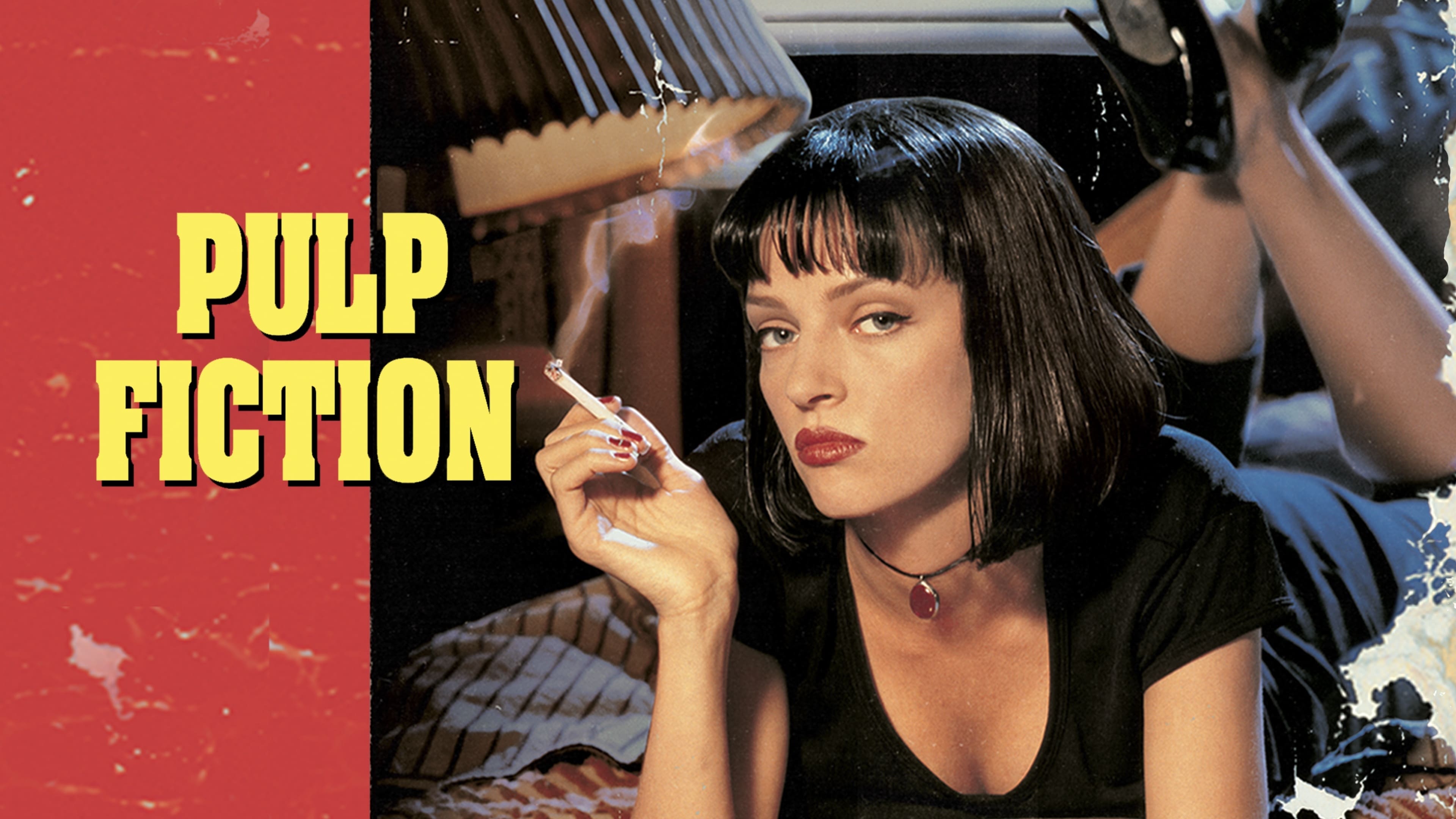
Pulp Fiction, Quentin Tarantino’s 1994 masterpiece, remains one of the most influential films in cinema history. This non-linear crime drama revolutionized independent filmmaking and redefined storytelling conventions with its unique narrative structure, unforgettable characters, and razor-sharp dialogue. Almost three decades after its release, the film continues to captivate audiences with its bold style and cultural significance.
The term “pulp fiction” refers to cheap, sensational novels and magazines from the early 20th century, known for their lurid subject matter and striking cover art. Tarantino’s film embodies this spirit, presenting outlandish scenarios and larger-than-life characters while elevating the material through masterful filmmaking. Like its literary namesake, Pulp Fiction delivers thrills, violence, and dark humor in equal measure.
In this comprehensive review, we’ll dive deep into what makes Pulp Fiction such an enduring classic, exploring its groundbreaking structure, memorable performances, cultural impact, and why it remains essential viewing for film enthusiasts.
Plot and Structure
Pulp Fiction famously abandons conventional storytelling in favor of a non-linear narrative that interweaves three distinct but interconnected stories:
- Vincent Vega (John Travolta) and Jules Winnfield (Samuel L. Jackson), two hitmen working for mob boss Marsellus Wallace, retrieve a mysterious briefcase, deal with an accidental shooting, and experience what Jules interprets as divine intervention.
- Boxer Butch Coolidge (Bruce Willis) double-crosses Marsellus by winning a fight he was paid to lose, leading to a violent chain of events that culminates in an encounter with sadistic captors.
- Vincent is tasked with entertaining Marsellus’s wife Mia Wallace (Uma Thurman) for an evening that takes a near-fatal turn when she overdoses on heroin.
What makes Pulp Fiction‘s structure remarkable is how these storylines unfold out of chronological order, creating a puzzle-like experience that challenges viewers to reconstruct the timeline. This approach rewards multiple viewings and creates dramatic irony—we see characters die only to reappear later in the film’s timeline.
The narrative structure isn’t merely a gimmick but serves the film’s themes of chance, fate, and redemption. By manipulating time, Tarantino forces us to focus more on character moments and less on where the plot is heading.
Performances and Characters
Pulp Fiction features an ensemble cast delivering career-defining performances:
- John Travolta experienced a career renaissance as Vincent Vega, the heroin-addicted hitman with a philosophical bent. His portrayal balances menace with a strange innocence, particularly evident in his awkward dance scene with Mia Wallace.
- Samuel L. Jackson delivers one of cinema’s most iconic performances as Jules Winnfield. His recitation of Ezekiel 25:17 before executions and subsequent crisis of faith form the spiritual backbone of the film.
- Uma Thurman crafted an instantly iconic character in Mia Wallace—intelligent, dangerous, and vulnerable. Her chemistry with Travolta in the Jack Rabbit Slim’s sequence remains one of the film’s highlights.
- Bruce Willis sheds his typical action hero persona as Butch Coolidge, bringing depth to a character caught between honor and survival.
- Ving Rhames brings intimidating presence to mob boss Marsellus Wallace, creating a character whose reputation looms larger than his screen time.
Supporting players including Tim Roth, Amanda Plummer, Maria de Medeiros, Eric Stoltz, Rosanna Arquette, and Christopher Walken each make memorable impressions despite limited screen time. Even Tarantino himself appears in a small but memorable role as Jimmy.
Direction and Style
Tarantino’s direction in Pulp Fiction showcases his distinctive visual style and storytelling approach:
“I steal from every movie ever made.” – Quentin Tarantino
This self-aware magpie approach to filmmaking is central to understanding Pulp Fiction. The film references everything from French New Wave cinema to Hong Kong action films, blaxploitation, and film noir. Tarantino transforms these influences into something uniquely his own.
Key stylistic elements include:
- Dialogue that sings: Conversations about foot massages, quarter-pounders with cheese in France, and the significance of a comfortable silence elevate mundane topics into fascinating exchanges.
- Music as character: The soundtrack blends surf rock, soul, and pop to create a timeless quality that defies easy periodization.
- Visual flair: Working with cinematographer Andrzej Sekuła, Tarantino crafts memorable visual moments—the twist contest at Jack Rabbit Slim’s, the glowing briefcase, the adrenaline shot sequence.
- Genre-bending: The film shifts seamlessly from crime thriller to black comedy to philosophical meditation, sometimes within single scenes.
Themes and Subtext
Beneath its pulpy exterior, Pulp Fiction explores several profound themes:
Redemption and Second Chances
Jules’ spiritual awakening after surviving what he views as divine intervention represents the most explicit redemption arc, but the theme permeates the film. Vincent, failing to heed the same “miracle,” meets his end, while Butch, initially choosing money over honor, finds redemption by returning to save his enemy Marsellus.
Fate and Coincidence
Pulp Fiction examines how random events shape destinies. From Mia mistaking heroin for cocaine to the chance encounter that leads to Vincent’s death, the film shows how small decisions ripple outward with massive consequences.
Honor Among Criminals
The film explores a moral code existing outside conventional morality. Characters like Jules and Butch follow personal ethical frameworks despite operating in a criminal world. Even Vincent, who kills without remorse, adheres to certain principles about loyalty and respect.
Pop Culture as Religion
Tarantino depicts a world where characters define themselves through pop culture references. Their discussions about Madonna songs, TV pilots, and fast food function as a shared mythology in a morally adrift universe.
Cultural Impact and Legacy
Pulp Fiction‘s influence on cinema and culture cannot be overstated:
- Independent Cinema: The film’s commercial success ($213 million worldwide against a $8 million budget) proved independent films could achieve mainstream appeal without compromising artistic vision.
- Narrative Innovation: Its non-linear structure influenced countless films and TV shows that followed.
- Dialogue Revolution: Tarantino’s approach to dialogue changed how screenwriters approached conversation, moving beyond mere exposition to character-revealing banter.
- Career Rejuvenation: The film revitalized John Travolta’s career and established Samuel L. Jackson and Uma Thurman as major talents.
- Pop Culture Absorption: Countless scenes have been referenced, parodied, and homaged in everything from films to music videos to advertising.
For those interested in exploring more iconic films that pushed boundaries, HablemosMoney has an interesting perspective on how influential films impact cultural economics.
Technical Achievement
Behind Pulp Fiction‘s cultural impact lies impressive technical craftsmanship:
Screenplay
Tarantino and co-writer Roger Avary created a script that manages to be both literary and cinematic. The screenplay won an Academy Award and is regularly studied in film schools for its structure, dialogue, and character development.
Cinematography
Andrzej Sekuła’s cinematography balances stylized compositions with a gritty realism appropriate for the criminal underworld. The film uses distinctive low angles, tracking shots, and iconic framing that has influenced countless filmmakers.
Editing
Sally Menke’s editing deserves special recognition for maintaining narrative clarity despite the non-linear structure. Her work seamlessly navigates between timeframes while maintaining thematic and emotional continuity.
Production Design
The film creates a timeless aesthetic that blends 1950s nostalgia (Jack Rabbit Slim’s) with contemporary settings. This approach gives Pulp Fiction a distinctive look that avoids dating the film to the 1990s.
Critical Reception
Upon its release, Pulp Fiction received nearly universal acclaim:
- The film won the prestigious Palme d’Or at the 1994 Cannes Film Festival.
- It received seven Academy Award nominations, winning for Best Original Screenplay.
- Critics praised its innovative structure, dialogue, and performances.
- Roger Ebert gave it 4/4 stars, calling it “volcanically entertaining.”
Time has only enhanced its reputation. The American Film Institute ranked it #94 on their list of the greatest American films of all time, and it regularly appears on critics’ lists of the best films of the 1990s and best films ever made.
The Tarantino Universe
Pulp Fiction established what fans call the “Tarantino Universe,” a shared fictional world connecting his films:
- Vincent Vega is the brother of Vic Vega (Mr. Blonde) from Reservoir Dogs.
- The character of Marsellus Wallace is mentioned in Reservoir Dogs.
- The “Big Kahuna Burger” appears in multiple Tarantino films.
- Red Apple cigarettes are smoked by characters across his filmography.
These connections create a rich meta-narrative that rewards fans who follow Tarantino’s work. Pulp Fiction stands at the center of this universe, establishing many of the recurring elements and themes that would continue throughout his career.
Controversial Elements
Pulp Fiction is not without controversial aspects:
- Language: The film’s liberal use of racial slurs and profanity sparked debate about artistic expression versus social responsibility.
- Violence: While actually less graphic than many modern films, the violence in Pulp Fiction feels more impactful due to its presentation and context.
- Drug Use: The film portrays heroin use in a way some critics found problematic, though defenders argue it shows the drug’s dangers rather than glamorizing addiction.
- Tarantino’s Cameo: His character’s liberal use of racial slurs has been particularly criticized.
These controversies, however, have not diminished the film’s artistic standing. If anything, they reflect Tarantino’s commitment to depicting his characters authentically rather than sanitizing them for audience comfort.
Conclusion
Nearly three decades after its release, Pulp Fiction remains as powerful and provocative as ever. Its influence extends beyond cinema into broader culture, and its narrative innovations continue to inspire filmmakers worldwide.
What makes Pulp Fiction truly special is how it balances seemingly contradictory elements: it’s intellectually stimulating yet viscerally entertaining, self-aware yet emotionally resonant, stylized yet authentic. It’s simultaneously a love letter to cinema history and a revolutionary break from tradition.
For viewers new to Pulp Fiction, prepare for an experience unlike conventional Hollywood fare. For those revisiting it, each viewing reveals new layers of meaning, connections, and detail. This enduring reward is the hallmark of a genuine classic—a film that changes not just how we view movies, but how we understand storytelling itself.
In the landscape of American cinema, few films have left as distinctive a footprint as Pulp Fiction. It stands as Tarantino’s defining work and one of the most important films of its era—a modern classic that continues to influence, entertain, and provoke.
Rating: ★★★★★
Essential viewing for anyone who appreciates cinema as an art form.
Originally posted 2025-04-13 13:32:38.
Leave a Reply