
The Godfather (1972): Movie Review
The Godfather (1972): Movie Review
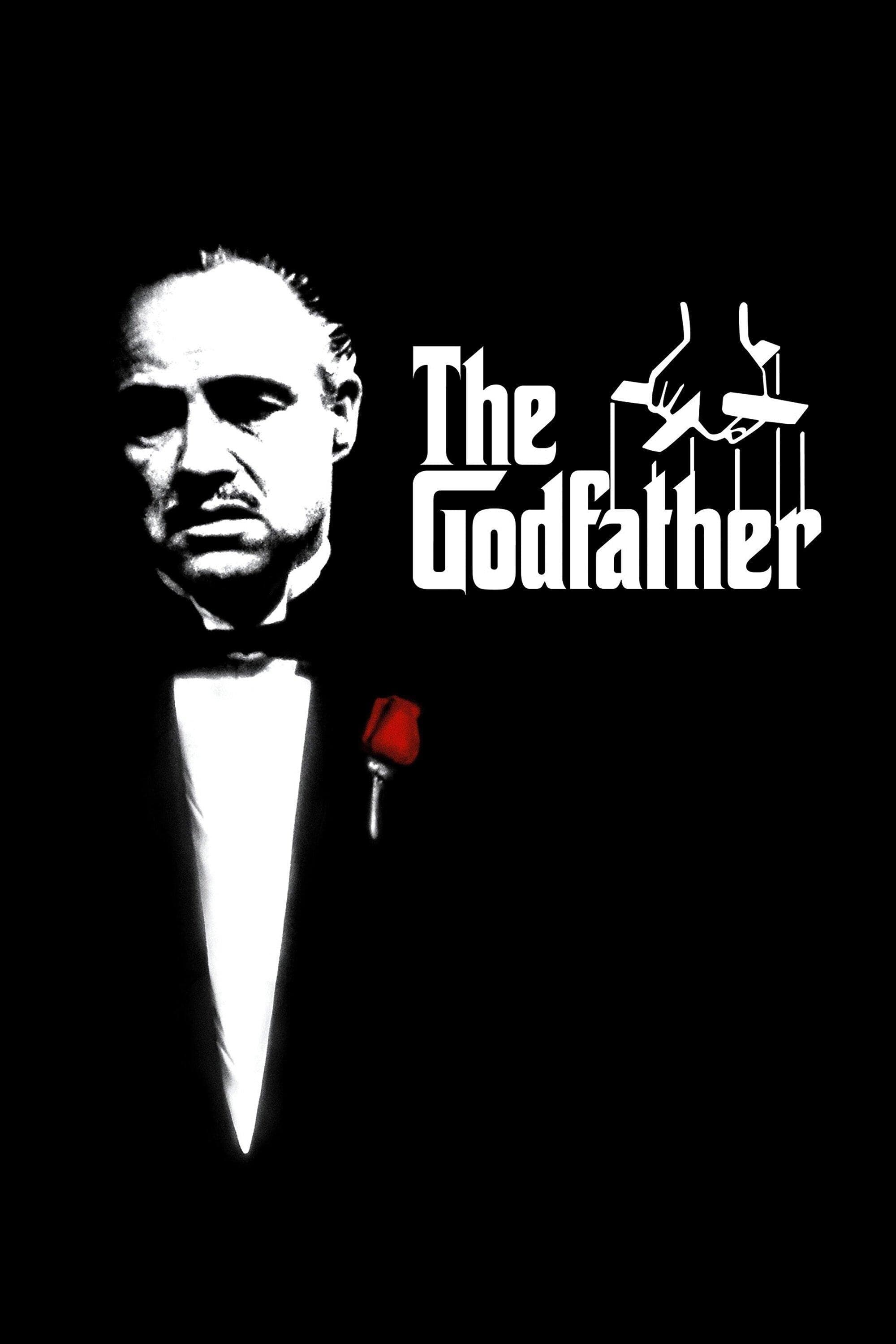
Over five decades since its release, The Godfather remains one of cinema’s most enduring masterpieces, a film that transcends its gangster genre to deliver a profound meditation on family, power, and the American Dream corrupted. Francis Ford Coppola’s adaptation of Mario Puzo’s novel didn’t just create a movie—it established a cultural phenomenon that continues to influence filmmaking and popular culture today.
An Epic Tale of Power and Family
The Godfather opens with the darkly lit office of Don Vito Corleone (Marlon Brando), where supplicants come seeking justice on his daughter’s wedding day. This opening sequence masterfully establishes the dual nature of the Corleone patriarch—a loving father celebrating his daughter Connie’s (Talia Shire) marriage, yet simultaneously the head of one of New York’s most powerful crime families.
The film’s genius lies in its ability to humanize characters who operate outside the law. When we first meet Michael Corleone (Al Pacino), he’s a war hero who has deliberately distanced himself from the family business, bringing his girlfriend Kay Adams (Diane Keaton) to the wedding as an outsider looking in. The transformation of Michael from reluctant family outsider to ruthless mafia boss forms the central narrative arc of this compelling saga.
Legendary Performances That Define Cinema
Marlon Brando’s Iconic Don Vito Corleone
Brando’s performance as the godfather launched him back into the limelight, creating one of cinema’s most recognizable characters. His portrayal is remarkably subtle—the raspy voice, the measured movements, the way he holds court with both warmth and menace. The Godfather showcased Brando’s ability to disappear completely into a role, creating a character so authentic that it has become the template for countless imitations.
“His performance was not just probably but definitely more genuine than Marlon Brando himself.”
Al Pacino’s Career-Defining Michael Corleone
Al Pacino’s performance was perfect for this film, displaying his character’s depth and inner battles with family, friends, and enemies. Pacino’s Michael begins as the family’s moral center, but his gradual transformation into someone even more ruthless than his father represents one of cinema’s greatest character arcs. The Godfather launched what would become one of Hollywood’s most celebrated careers.
Supporting Cast Excellence
The ensemble cast of The Godfather reads like a who’s who of acting talent:
• James Caan as the hot-headed Sonny Corleone, whose explosive temper drives key plot points • Robert Duvall as Tom Hagen, the family’s non-Italian consigliere who provides crucial balance • Diane Keaton as Kay Adams, representing the outside world’s perspective on the Corleone family • Richard S. Castellano as Peter Clemenza, whose loyalty and mentorship prove vital to Michael’s education • Talia Shire as Connie Corleone, whose wedding opens the film and whose troubled marriage catalyzes later violence
Robert Duvall’s character provided great balance throughout the film, representing a different perspective as a non-Italian with the respect of the mafia.
Technical Mastery Behind the Camera
Cinematography and Visual Style
Coppola and cinematographer Gordon Willis created interesting effects with color photography, using reddish-brown tints in earlier scenes that feel like 1946 newspaper rotogravure supplements. Willis’s use of shadows and darkness—earning him the nickname “The Prince of Darkness”—creates an atmosphere where power lurks in every corner, and important conversations happen in pools of light surrounded by threatening shadows.
Production Design and Period Detail
The Godfather succeeds brilliantly as a period piece, with sleek, bulging limousines and postwar fedoras that transport viewers completely to 1940s America. Every detail, from the lavish wedding celebration to the intimate family dinners, feels authentic and lived-in.
Nino Rota’s Unforgettable Score
The haunting main theme and the romantic “Love Theme from The Godfather” became cultural touchstones in their own right. Rota’s score perfectly balances the film’s dual nature—tender family moments underscored by melancholy melodies, violent scenes punctuated by silence that makes them even more impactful.
Narrative Structure and Pacing
The Godfather unfolds with deliberate pacing that some modern viewers might find slow, but this measured approach serves the story perfectly. The film chronicles the Corleone family from 1945 to 1955, allowing characters and relationships to develop naturally.
The screenplay by Coppola and Puzo masterfully interweaves multiple storylines:
- Vito Corleone’s near-assassination and the family’s response
- Michael’s reluctant entry into the family business
- The consolidation of power among New York’s crime families
- Personal relationships strained by the demands of the business
Cultural Impact and Legacy
Quotable Dialogue
The Godfather introduced phrases that became part of everyday language:
“I’m gonna make him an offer he can’t refuse.”
“Leave the gun. Take the cannoli.”
“It’s not personal, Sonny. It’s strictly business.”
These lines have transcended their original context to become cultural shorthand for negotiation, pragmatism, and the separation of emotion from business decisions.
Influence on Popular Culture
The film’s influence extends far beyond cinema. From parodies to serious homages, The Godfather‘s visual style, narrative structure, and character archetypes continue to influence storytelling across all media. The success of The Godfather proved that audiences were hungry for complex, character-driven narratives that treated genre material with artistic seriousness.
Critical Reception and Awards Recognition
The film was acclaimed by critics and audiences, winning Best Picture, Best Actor (Brando), and Best Adapted Screenplay at the 45th Academy Awards. Roger Ebert named The Godfather the best film of 1972, and its critical reputation has only grown stronger over time.
The film’s success was both critical and commercial—it was the highest-grossing film of 1972 and was for a time the highest-grossing film ever made, earning between $250 and $291 million at the box office.
Themes That Resonate Across Generations
Family vs. Business
The Godfather explores the tension between family loyalty and business necessity. The Corleone family operates by a code that prioritizes family above all else, yet their business often requires actions that compromise these very values.
The Corruption of the American Dream
The film presents the Corleone family as immigrants pursuing success and respect in America, but achieving these goals through means that ultimately corrupt them. The Godfather suggests that in certain circumstances, the American Dream may require sacrificing one’s soul.
Power and Its Consequences
As Michael assumes control of the family, The Godfather demonstrates how power isolates and transforms those who wield it. The film’s final image—Kay being shut out as Michael conducts business—perfectly encapsulates this theme.
Financial Success and Business Impact
The commercial success of The Godfather revolutionized Hollywood’s approach to serious filmmaking. Just as smart financial planning requires understanding market trends and long-term investments—much like the resources available at HablemosMoney—the film industry learned that audiences would invest their time and money in complex, character-driven narratives when executed with care and respect.
The film’s success proved that treating genre material with artistic seriousness could yield both critical acclaim and massive commercial returns, influencing Hollywood’s approach to franchise filmmaking for decades to come.
Technical Innovations
The Godfather pioneered several filmmaking techniques that became industry standards:
• Low-light cinematography that created mood and atmosphere • Natural dialogue delivery that felt conversational rather than theatrical • Extended scenes that allowed character development through behavior rather than exposition • Ensemble storytelling that gave multiple characters meaningful arcs
The Director’s Vision
Francis Ford Coppola’s direction of The Godfather represents filmmaking at its finest. Despite studio interference and budget constraints, Coppola maintained his artistic vision while delivering a commercially successful product. His decision to treat the material as a family saga rather than a typical crime thriller elevated The Godfather above its genre conventions.
Lasting Influence on Cinema
The Godfather didn’t just succeed—it redefined what American cinema could accomplish. The film proved that audiences would embrace complex narratives, morally ambiguous characters, and artistic cinematography when combined with compelling storytelling.
For those interested in film analysis and industry insights, the American Film Institute consistently ranks The Godfather among the greatest films ever made, recognizing its technical achievements and cultural significance.
Final Verdict
The Godfather stands as perhaps the greatest American film ever made—a perfect synthesis of artistic vision, technical mastery, and compelling storytelling. More than fifty years after its release, the film continues to reveal new depths with each viewing, confirming its status as a true masterpiece.
The Godfather succeeds on every level:
• Performances that define career-best work from legendary actors • Direction that balances intimate character moments with epic scope • Cinematography that creates a visual language still studied today • Writing that treats complex themes with intelligence and nuance • Cultural impact that extends far beyond cinema
Rating: ★★★★★ (5/5 Stars)
The Godfather earns its reputation as one of cinema’s greatest achievements. Whether you’re discovering it for the first time or revisiting this classic, The Godfather offers an experience that transcends entertainment to become something approaching art. In an era of franchise filmmaking and special effects spectacle, The Godfather reminds us of cinema’s power to tell deeply human stories with intelligence, respect, and artistic vision.
For anyone serious about understanding film as an art form, The Godfather remains essential viewing—a masterclass in every aspect of filmmaking that continues to influence and inspire more than five decades after its release.
Leave a Reply