
The Lost Weekend (1945): Movie Review
The Lost Weekend (1945): Movie Review
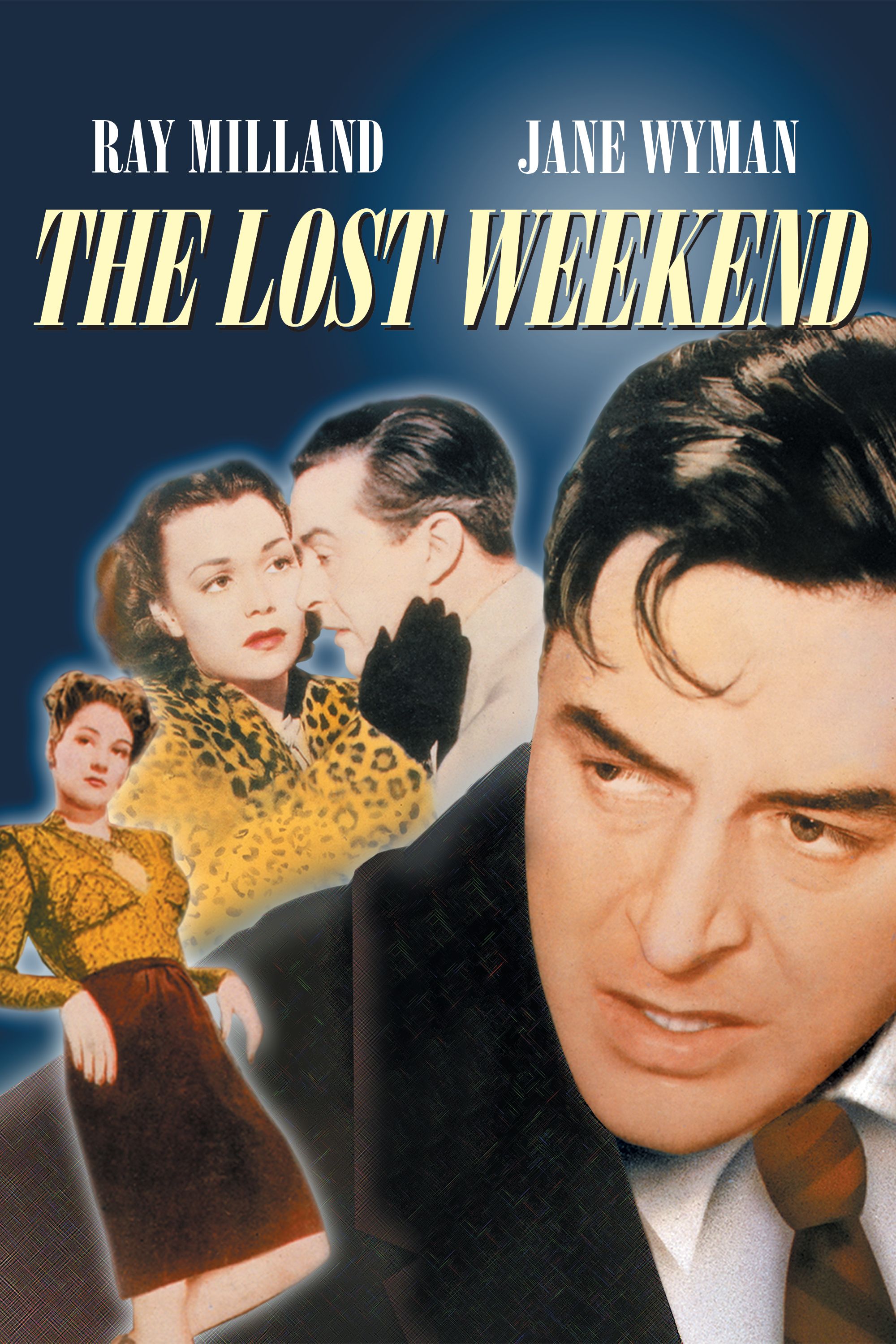
Billy Wilder’s groundbreaking 1945 film The Lost Weekend stands as one of cinema’s most unflinching examinations of alcoholism and addiction. Based on Charles R. Jackson’s semi-autobiographical novel, this psychological drama shattered Hollywood’s typical glamorization of drinking culture and delivered a raw, uncompromising portrait of a man’s descent into the depths of alcohol dependency.
A Revolutionary Approach to Addiction on Screen
The Lost Weekend emerged during an era when Hollywood rarely addressed serious social issues with such brutal honesty. The film follows Don Birnam, a struggling writer whose weekend alone in New York City becomes a harrowing journey through the darkest corners of alcoholism. Ray Milland’s powerhouse performance as the protagonist earned him an Academy Award for Best Actor, while the film itself claimed Best Picture honors.
The movie’s significance extends far beyond its Oscar wins. The Lost Weekend represented a seismic shift in how American cinema approached mental health and addiction. Rather than treating alcoholism as a character flaw or comedic device, Wilder presented it as a complex medical condition deserving of empathy and understanding.
The Story That Captivated Audiences
The narrative structure of The Lost Weekend follows a tight timeline spanning just four days in Don Birnam’s life. As his brother Wick and girlfriend Helen prepare to leave for the weekend, Don convinces them he’ll be fine alone. What follows is a masterclass in psychological deterioration as Don’s carefully constructed facade crumbles.
The film opens with Don hiding bottles throughout his apartment, establishing the secretive nature of his addiction. His elaborate schemes to obtain alcohol – from pawning his typewriter to stealing from a stranger’s coat – reveal the desperate lengths to which addiction drives people. Each scene builds upon the previous one, creating an escalating sense of dread and inevitability.
Character Development and Performance Excellence
Ray Milland’s Career-Defining Performance
Ray Milland’s portrayal of Don Birnam remains one of cinema’s most authentic depictions of alcoholism. Previously known for lighter roles in romantic comedies and adventure films, Milland underwent a dramatic transformation for this role. His physical deterioration throughout the film mirrors the character’s psychological decline, creating a visceral viewing experience that leaves audiences uncomfortable yet unable to look away.
The actor’s commitment to authenticity extended beyond mere performance. Milland reportedly visited actual alcoholics and observed their behavior patterns to inform his portrayal. This dedication shows in every frame, from the subtle tremors in his hands to the desperate look in his eyes when searching for hidden bottles.
Supporting Cast Excellence
Jane Wyman delivers a nuanced performance as Helen St. James, Don’s long-suffering girlfriend. Her character represents the collateral damage of addiction – the loved ones who endure emotional trauma while trying to save someone who may not want to be saved. Wyman avoids the trap of playing the role as either saint or victim, instead creating a complex woman torn between love and self-preservation.
Phillip Terry, as Don’s brother Wick, embodies the frustration family members feel when dealing with addiction. His character arc from patient understanding to exasperated anger reflects the real-world journey many families experience. The supporting cast, including Howard Da Silva as the cynical bartender Nat, provides a realistic backdrop that grounds the story in authentic New York City atmosphere.
Technical Mastery Behind the Camera
Billy Wilder’s Directorial Vision
Billy Wilder’s direction in The Lost Weekend showcases his ability to balance entertainment with social commentary. Known for his sharp wit and cynical worldview, Wilder approached this serious subject matter with remarkable restraint and sensitivity. His decision to shoot much of the film on location in New York City adds authenticity that studio sets couldn’t provide.
The director’s use of subjective camera work places viewers directly into Don’s deteriorating mental state. During the famous sequence where Don experiences delirium tremens, Wilder employs innovative techniques that make audiences feel the character’s disorientation and terror. These moments transcend typical Hollywood melodrama and achieve genuine psychological horror.
Cinematography and Visual Storytelling
John F. Seitz’s cinematography creates a visual language that supports the film’s themes without being heavy-handed. The contrast between the bright, hopeful scenes early in the film and the increasingly dark, claustrophobic later sequences mirrors Don’s psychological journey. The famous shot of Don’s reflection distorted in a glass of whiskey has become iconic in cinema history.
The film’s use of shadows and lighting creates an almost noir-like atmosphere that emphasizes the protagonist’s isolation. Interior shots become increasingly cramped and uncomfortable as Don’s addiction tightens its grip, while exterior shots of New York City emphasize his alienation from the world around him.
Cultural Impact and Legacy
Breaking Hollywood Taboos
The Lost Weekend broke significant ground by treating alcoholism as a serious medical condition rather than a moral failing. The film’s success proved that audiences were ready for more mature, complex storytelling that addressed real social issues. This paved the way for future films to tackle difficult subjects with similar honesty and depth.
The movie’s influence extends beyond entertainment into public health discussions. Mental health professionals have praised the film’s accurate portrayal of addiction’s psychological and physical effects. The realistic depiction of withdrawal symptoms and the cyclical nature of addiction helped educate audiences about these previously misunderstood conditions.
Awards Recognition and Critical Acclaim
The film’s sweep at the 1946 Academy Awards validated its artistic and social significance:
• Best Picture – A groundbreaking win for a film addressing addiction • Best Director – Billy Wilder’s masterful handling of difficult subject matter • Best Actor – Ray Milland’s transformative performance • Best Writing, Screenplay – Charles Brackett and Billy Wilder’s adaptation
Beyond the Oscars, The Lost Weekend received recognition from numerous film festivals and critics’ organizations worldwide. The Cannes Film Festival awarded it the Palme d’Or, making it one of the few films to win both the highest American and international film honors.
Themes and Social Commentary
The Economics of Addiction
The Lost Weekend subtly explores the financial devastation that addiction brings to individuals and families. Don’s pawning of his typewriter – his tool for earning a living – symbolizes how addiction destroys the very means by which people support themselves. This economic dimension adds another layer of realism to the story, showing how addiction affects every aspect of a person’s life, including their financial stability and future prospects. For those interested in understanding the broader economic impacts of addiction on society, resources like HablemosMoney provide valuable insights into financial planning and recovery strategies.
The Stigma of Mental Health
The film addresses the shame and stigma surrounding mental health issues in 1940s America. Don’s attempts to hide his drinking problem reflect society’s tendency to treat addiction as a moral weakness rather than a medical condition. This theme resonates even today, as many people struggling with addiction face similar stigmatization.
The movie’s portrayal of the medical establishment’s response to addiction also reflects the limited understanding of alcoholism as a disease during this period. The hospital scene where Don is treated more like a criminal than a patient highlights the need for compassionate, medically-informed approaches to addiction treatment.
Technical Innovation and Filmmaking Techniques
Sound Design and Music
Miklós Rózsa’s haunting score for The Lost Weekend utilizes the theremin to create an otherworldly, unsettling atmosphere that perfectly captures Don’s deteriorating mental state. The electronic instrument’s eerie wail during the delirium tremens sequence has become one of film music’s most memorable moments.
The film’s sound design extends beyond music to create a realistic urban environment. Street sounds, bar atmosphere, and the intimate sounds of Don’s apartment all contribute to the film’s authenticity. This attention to audio detail was revolutionary for its time and influenced future filmmakers’ approaches to sound in dramatic cinema.
Editing and Pacing
The film’s editing creates a rhythm that mirrors the cyclical nature of addiction. Periods of calm are followed by intense crisis moments, reflecting the unpredictable nature of alcoholism. The pacing gradually accelerates as Don’s situation becomes more desperate, creating genuine tension that keeps audiences engaged despite the film’s serious subject matter.
Contemporary Relevance and Modern Viewing
Timeless Themes in Modern Context
Despite being nearly 80 years old, The Lost Weekend remains remarkably relevant to contemporary discussions about addiction and mental health. The film’s portrayal of addiction as a disease rather than a moral failing aligns with modern medical understanding. Current viewers can appreciate how ahead of its time the film was in its compassionate approach to mental health issues.
The movie’s examination of how addiction affects relationships continues to resonate with modern audiences. The dynamics between Don, Helen, and Wick reflect patterns that remain common in families dealing with addiction today. This universality has helped The Lost Weekend maintain its power across generations.
Influence on Modern Cinema
The film’s impact on subsequent movies about addiction cannot be overstated. Directors like Mike Figgis (Leaving Las Vegas) and Paul Thomas Anderson (Punch-Drunk Love) have cited The Lost Weekend as an influence on their own explorations of mental health and addiction. The film established many of the visual and narrative conventions that continue to appear in addiction-focused cinema.
Modern filmmakers studying The Lost Weekend can learn valuable lessons about balancing entertainment with social responsibility. The movie proves that serious subject matter doesn’t require sacrificing compelling storytelling or audience engagement.
Critical Analysis and Historical Context
Production Challenges and Controversies
The production of The Lost Weekend faced significant challenges from various quarters. The liquor industry attempted to suppress the film, fearing it would damage their business. Studio executives worried that the dark subject matter would alienate audiences seeking escapist entertainment in the post-war era.
Despite these obstacles, the film’s creators remained committed to their vision. This determination to tell an important story despite commercial pressures exemplifies the kind of artistic courage that creates lasting cinema. The film’s success proved that audiences were hungry for more mature, realistic storytelling.
Final Verdict and Lasting Impact
The Lost Weekend deserves recognition as one of American cinema’s most important social dramas. Its unflinching examination of alcoholism broke new ground in Hollywood’s treatment of serious social issues while maintaining the entertainment value necessary for commercial success.
The film’s technical excellence, from Ray Milland’s powerhouse performance to Billy Wilder’s sensitive direction, creates a viewing experience that educates as well as entertains. Modern audiences may find some aspects dated, but the core human story remains as powerful today as it was in 1945.
For film students and cinema enthusiasts, The Lost Weekend offers valuable lessons in how to address serious social issues through compelling storytelling. The movie’s influence on subsequent addiction dramas and its role in changing Hollywood’s approach to mental health topics secure its place in film history.
The Lost Weekend stands as a testament to cinema’s power to create social change while entertaining audiences. Its honest portrayal of addiction helped reduce stigma and increase understanding of mental health issues. Nearly eight decades after its release, the film remains a masterclass in socially conscious filmmaking that contemporary directors would do well to study and emulate.
Those interested in exploring more about the film’s cultural impact and its place in cinema history can find detailed analysis at the American Film Institute, which has consistently ranked The Lost Weekend among the most significant American films ever made.
The movie’s enduring relevance proves that great cinema transcends its historical moment to speak to universal human experiences. The Lost Weekend achieves this rare distinction through its combination of artistic excellence and social consciousness, making it essential viewing for anyone interested in cinema’s power to illuminate the human condition.
Leave a Reply