
The Silence of the Lambs (1991): Movie Review
The Silence of the Lambs (1991): Movie Review
When discussing cinematic masterpieces that have shaped the psychological thriller genre, The Silence of the Lambs stands as an unparalleled achievement in filmmaking. This 1991 psychological horror thriller, directed by Jonathan Demme and adapted from Thomas Harris’s bestselling novel, represents a rare perfect storm of exceptional storytelling, masterful direction, and career-defining performances that continue to captivate audiences more than three decades after its release.
A Groundbreaking Achievement in Cinema
The Silence of the Lambs made history by becoming only the third film to achieve the remarkable feat of winning all five major Academy Awards – Best Picture, Best Director, Best Actor, Best Actress, and Best Adapted Screenplay. This exclusive club, shared only with It Happened One Night (1934) and One Flew Over the Cuckoo’s Nest (1975), speaks to the film’s extraordinary artistic and commercial success.
The film grossed an impressive $272.7 million worldwide against a modest $19 million budget, proving that intelligent, character-driven thrillers could achieve both critical acclaim and box office success. This financial triumph demonstrated that audiences were hungry for sophisticated psychological horror that challenged conventional genre boundaries.
Plot Synopsis: A Dance with Darkness
The narrative follows FBI trainee Clarice Starling, portrayed by Jodie Foster, who is tasked with interviewing the imprisoned cannibalistic serial killer Dr. Hannibal Lecter (Anthony Hopkins) to gain insights into another active serial killer known as “Buffalo Bill” (Ted Levine). Buffalo Bill’s disturbing pattern of kidnapping young women and skinning them creates an urgent race against time that drives the film’s relentless tension.
Key Plot Elements: • Clarice’s psychological vulnerability and determination • The intellectual cat-and-mouse game between Clarice and Lecter • Buffalo Bill’s horrifying methodology and motivations • The FBI’s desperate search for the latest victim • Clarice’s personal trauma and how it connects to the case
The genius of The Silence of the Lambs lies in its ability to weave these elements into a cohesive narrative that operates simultaneously as a police procedural, psychological study, and horror thriller.
Jodie Foster: A Career-Defining Performance
Jodie Foster’s portrayal of Clarice Starling represents one of cinema’s most compelling protagonists. Foster, who had already won an Academy Award for The Accused (1988), brought remarkable depth and nuance to the role of the ambitious FBI trainee. Her performance captures Clarice’s vulnerability while never undermining her intelligence and determination.
Foster’s meticulous character development included specific vocal choices that reflected Clarice’s background: • Speaking slowly and deliberately without contractions to appear more educated • Maintaining a quiet, almost mouse-like demeanor that masked inner strength • Conveying the character’s traumatic past through subtle physical expressions • Creating empathy between Clarice and the victims she’s trying to save
The actress revealed in interviews that she viewed Clarice as someone “trying to overcome the failure of the body they were born in,” a perspective that informed her nuanced portrayal of a woman navigating a male-dominated field.
Anthony Hopkins: The Birth of an Icon
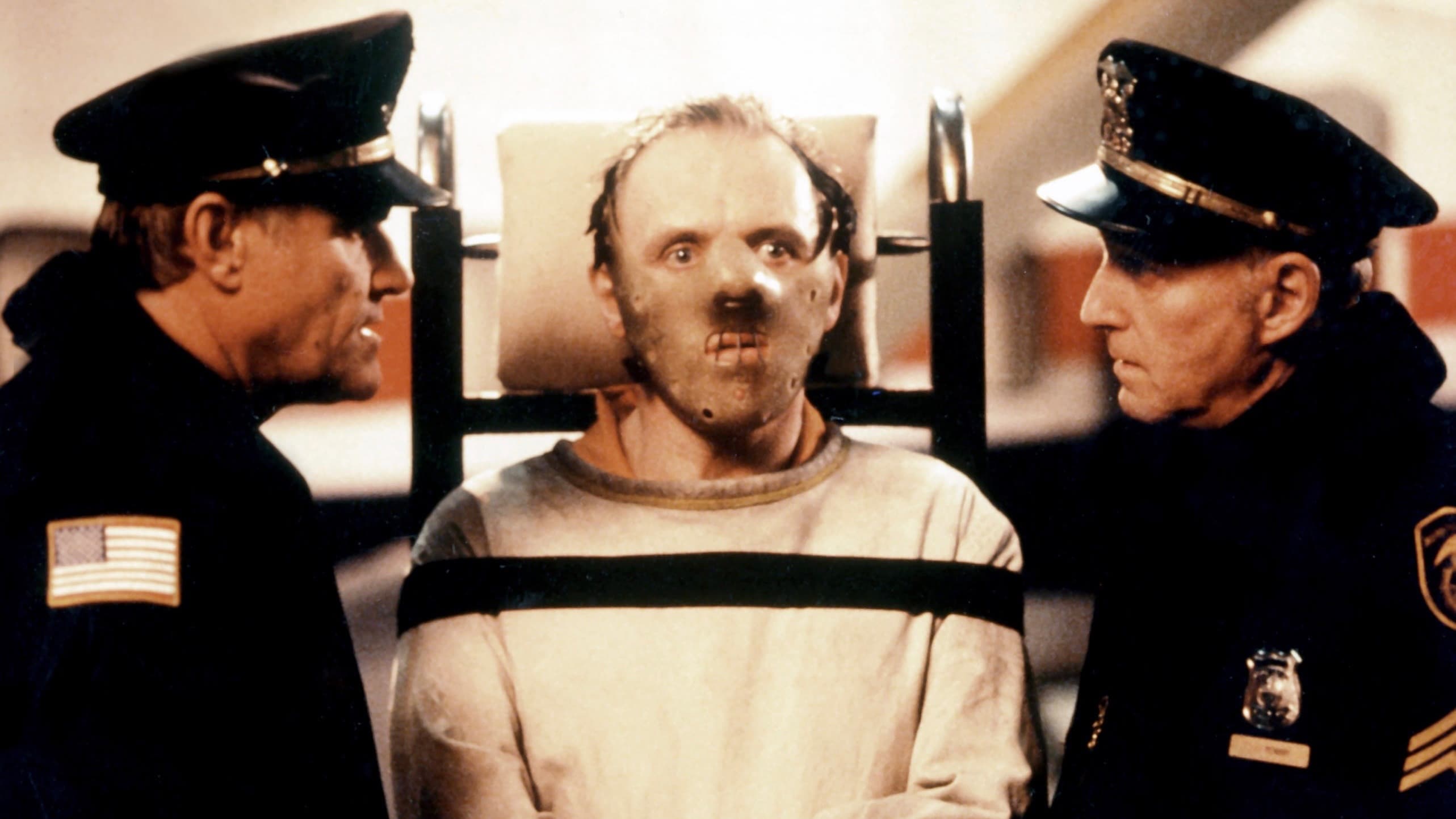
Anthony Hopkins’s performance as Dr. Hannibal Lecter is nothing short of legendary. Despite appearing on screen for only 16 minutes, Hopkins created one of cinema’s most memorable villains. His portrayal earned him the Academy Award for Best Actor, making him one of the few actors to win an Oscar for less than 20 minutes of screen time.
Hopkins developed his interpretation through several key creative choices: • Drawing inspiration from HAL 9000’s mechanical voice in 2001: A Space Odyssey • Incorporating vocal patterns reminiscent of Truman Capote • Remaining unnaturally still and maintaining an unblinking stare • Delivering lines with a metallic tinge enhanced by sound engineer Chris Newman
The actor’s preparation was methodical and intense. Hopkins reportedly read the script over 200 times to internalize every nuance of Lecter’s dialogue and psychology. This dedication shows in his chilling performance, where every word and gesture feels calculated and predatory.
Technical Excellence and Direction
Jonathan Demme’s direction elevated The Silence of the Lambs from a standard thriller to a masterpiece of psychological horror. Demme’s background in independent cinema brought an intimate, character-focused approach that intensified the film’s psychological impact.
Cinematography and Visual Style
Working with cinematographer Tak Fujimoto, Demme employed several innovative techniques: • Direct-to-camera performances that created unsettling intimacy • Claustrophobic framing that emphasized character isolation • Strategic use of close-ups to intensify psychological tension • Parallel editing that built suspense through cross-cutting between storylines
The famous basement sequence showcasing Buffalo Bill’s lair was filmed during a grueling 22-hour shoot in freezing conditions, demonstrating the cast and crew’s commitment to authenticity.
Sound Design and Score
The film’s audio landscape contributes significantly to its psychological impact. The minimal use of traditional horror music allows natural sounds – breathing, footsteps, whispers – to create an atmosphere of dread. Howard Shore’s restrained score punctuates key moments without overwhelming the psychological tension.
Cultural Impact and Legacy
The Silence of the Lambs fundamentally changed how audiences and filmmakers approached psychological thrillers. The film’s success proved that horror could achieve mainstream critical acclaim while maintaining artistic integrity.
Influence on the Genre
The film’s impact extends far beyond its initial release:
- Elevated psychological horror to Oscar-worthy status
- Established templates for complex villain characterizations
- Inspired countless imitators in television and film
- Redefined the “final girl” trope through Clarice’s characterization
- Demonstrated the commercial viability of intelligent horror
Memorable Quotes and Cultural References
Several lines from The Silence of the Lambs have become embedded in popular culture:
“I ate his liver with some fava beans and a nice Chianti.”
“It puts the lotion on its skin or else it gets the hose again.”
“A census taker once tried to test me. I ate his liver with some fava beans and a nice Chianti.”
These quotes demonstrate the film’s masterful dialogue, which balances sophistication with genuine menace.
Themes and Social Commentary
Beyond its surface-level thrills, The Silence of the Lambs explores several profound themes that resonate with contemporary audiences:
Gender Dynamics in Professional Settings
The film examines Clarice’s experiences as a woman in the male-dominated FBI. The famous elevator scene, where Clarice is surrounded by towering male agents, visually represents the challenges women face in asserting authority in patriarchal institutions.
The Nature of Evil
The Silence of the Lambs presents complex questions about the origins and manifestations of evil. Lecter’s sophisticated demeanor contrasts sharply with Buffalo Bill’s crude brutality, suggesting that evil takes many forms and can hide behind civilized facades.
Trauma and Healing
Clarice’s recurring nightmares about screaming lambs represent unresolved childhood trauma. Her professional success becomes a form of therapy, allowing her to save others in ways she couldn’t save the lambs of her youth.
Performance Analysis: Supporting Cast
While Foster and Hopkins dominate the screen, the supporting cast delivers equally compelling performances:
Scott Glenn as Jack Crawford
Scott Glenn brings gravitas and paternal warmth to the role of FBI unit chief Jack Crawford. Originally intended for Gene Hackman, who found the script too violent, Glenn’s understated performance provides emotional anchor for Clarice’s journey.
Ted Levine as Buffalo Bill
Ted Levine’s portrayal of Buffalo Bill creates one of cinema’s most disturbing antagonists. Levine’s commitment to the role, including his improvised dance sequence, creates a character that is simultaneously pathetic and terrifying.
Production Insights and Behind-the-Scenes
The creation of The Silence of the Lambs involved numerous fascinating production details:
Casting Challenges
• Michelle Pfeiffer was originally offered Clarice’s role but declined due to the disturbing subject matter • Meg Ryan also turned down the role for similar reasons • Sean Connery was approached for Lecter before Hopkins was cast • Laura Dern was considered but deemed “not bankable” by the studio
Adaptation Process
Screenwriter Ted Tally faced significant challenges adapting Harris’s complex novel. Many industry professionals believed the source material was “too disturbing” for mainstream cinema. Tally’s success in preserving the novel’s psychological complexity while making it cinematically viable demonstrates exceptional screenwriting skill.
Awards and Recognition
The Silence of the Lambs received unprecedented critical recognition:
Major Academy Awards (1992)
- Best Picture – Edward Saxon, Kenneth Utt, Ron Bozman
- Best Director – Jonathan Demme
- Best Actor – Anthony Hopkins
- Best Actress – Jodie Foster
- Best Adapted Screenplay – Ted Tally
Additional Honors
• 95% rating on Rotten Tomatoes with universal critical acclaim • 86/100 score on Metacritic indicating “universal acclaim” • Selected for preservation in the National Film Registry • Multiple international awards recognizing its global impact
Modern Relevance and Rewatchability
More than thirty years after its release, The Silence of the Lambs remains remarkably relevant. The film’s exploration of gender dynamics, institutional power structures, and the psychology of violence continues to resonate with contemporary audiences.
The movie’s layered storytelling rewards multiple viewings. Audiences often discover new details in Hopkins’s performance, subtle foreshadowing in Demme’s direction, and deeper psychological insights with each viewing.
Financial planning resources like HablemosMoney often cite successful film investments as examples of how understanding market psychology – much like Clarice understanding criminal psychology – can lead to substantial returns.
Technical Achievements and Innovation
The Silence of the Lambs pushed several technical boundaries that influenced future filmmaking:
Makeup and Special Effects
The film’s practical effects, particularly in creating Buffalo Bill’s victims and Lecter’s aftermath scenes, demonstrated that psychological horror could be more effective than explicit gore. The makeup team’s subtle work enhanced performances without overwhelming them.
Location and Production Design
Filming primarily in Philadelphia and Baltimore provided authentic institutional settings that enhanced the film’s realism. The production design team created spaces that felt simultaneously real and nightmarish.
According to industry analyses from The Internet Movie Database, The Silence of the Lambs represents a perfect case study in how modest budgets can create maximum impact through intelligent filmmaking choices.
Conclusion: A Timeless Masterpiece
The Silence of the Lambs stands as a testament to the power of intelligent filmmaking. Every element – from Foster’s vulnerable yet determined Clarice to Hopkins’s chilling Lecter, from Demme’s intimate direction to Tally’s sharp screenplay – works in perfect harmony to create a film that transcends genre limitations.
The movie’s success lies not in its horror elements alone, but in its sophisticated exploration of human psychology, professional relationships, and the nature of evil itself. It remains essential viewing for anyone interested in understanding how psychological thrillers can achieve both artistic excellence and commercial success.
Key Takeaways: • Exceptional performances can elevate genre material to artistic heights • Psychological horror often proves more effective than explicit violence
• Strong character development drives audience engagement more than plot mechanics • Technical excellence supports but never overshadows storytelling • Cultural impact often exceeds initial commercial success
The Silence of the Lambs continues to influence filmmakers, inspire discussions about gender and power, and terrify audiences decades after its release. It remains not just one of the greatest thrillers ever made, but one of cinema’s most complete achievements – a film that succeeds on every level and continues to reveal new depths with each viewing.
In an era where psychological thrillers often rely on cheap scares and shallow characterizations, The Silence of the Lambs reminds us of the genre’s potential for genuine artistic achievement. It stands as a masterpiece that honors both its source material and the medium of cinema itself, ensuring its place in film history for generations to come.
Leave a Reply