
Yellowstone Seasons 1-5 TV Review (2025)
Yellowstone Seasons 1-5 TV Review (2025)
The dust has finally settled on the Yellowstone Dutton Ranch. After six tumultuous years, Taylor Sheridan’s modern Western epic concluded its run in December 2024, leaving behind a legacy that transformed television and redefined what primetime drama could achieve. This comprehensive review examines all five seasons of Yellowstone, analyzing how the series evolved from a regional family drama into a cultural phenomenon that captured the hearts of over 13 million viewers.
The Ranch That Built an Empire
When Yellowstone premiered on Paramount Network in 2018, few could have predicted its meteoric rise to become television’s most-watched drama. Set against the breathtaking backdrop of Montana’s rugged landscape, the series follows the Dutton family—owners of the largest contiguous cattle ranch in the United States—as they fight to preserve their land, legacy, and way of life.
Kevin Costner anchors the series as John Dutton III, the patriarch whose iron will and unwavering determination drive every major plot development. Costner brings gravitas and authenticity to the role, channeling his decades of Western film experience into a performance that feels both timeless and urgently contemporary. His portrayal of John as a man caught between tradition and progress forms the emotional core of Yellowstone’s narrative.
The supporting cast delivers equally compelling performances that bring depth to this sprawling family saga:
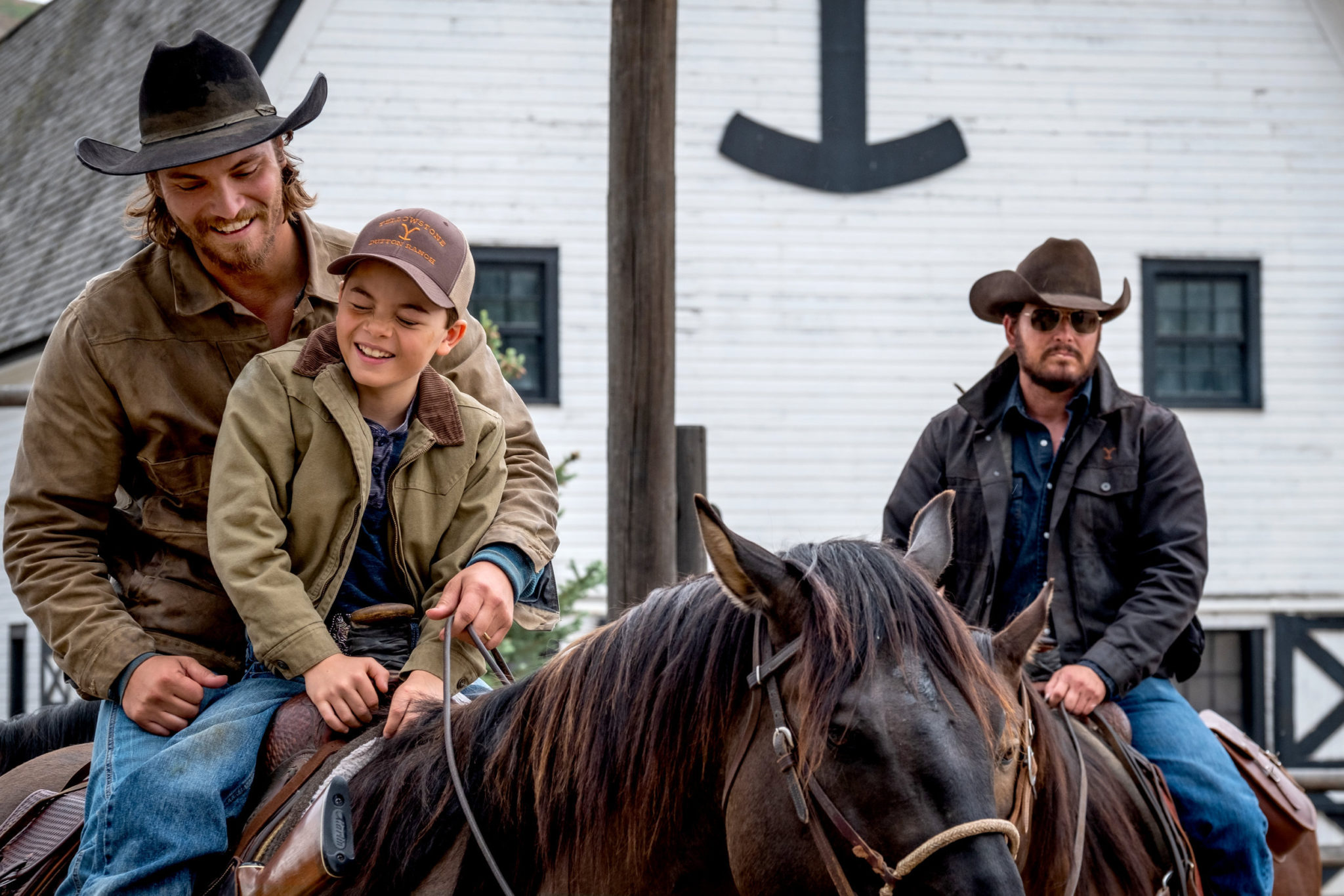
• Kelly Reilly as Beth Dutton transforms what could have been a one-dimensional character into a complex force of nature • Luke Grimes as Kayce Dutton provides the moral center as a former Navy SEAL struggling with family loyalty • Wes Bentley as Jamie Dutton delivers a masterclass in portraying ambitious desperation • Cole Hauser as Rip Wheeler embodies the ultimate cowboy archetype with surprising emotional nuance
Season-by-Season Evolution
Season 1: Establishing the Territory
The inaugural season of Yellowstone introduces viewers to the vast Dutton empire and the constant threats surrounding it. Sheridan establishes the central conflicts that will define the series: land developers seeking to exploit Montana’s natural beauty, the Broken Rock Indian Reservation fighting for ancestral territory, and internal family dynamics that threaten to tear the Duttons apart from within.
Gil Birmingham delivers a standout performance as Thomas Rainwater, the casino-owning tribal chairman whose complex relationship with John Dutton evolves throughout the series. The show’s early episodes excel at worldbuilding, establishing the ranch’s day-to-day operations while introducing the broader political landscape that shapes every character’s motivations.
Season 2: Deepening Roots
Building on its solid foundation, Yellowstone’s second season explores the psychological toll of ranch life while expanding its cast of memorable characters. Kelsey Asbille as Monica Dutton brings authenticity to her portrayal of a Native American woman navigating the complex relationship between her heritage and her marriage into the Dutton family.
The season introduces the bunkhouse cowboys who become fan favorites, including Lloyd Pierce (Forrie J. Smith) and Colby Mayfield (Denim Richards). These characters add humor and heart to the series while reinforcing Yellowstone’s themes about the disappearing American West.
Season 3-4: Peak Storytelling
These middle seasons represent Yellowstone at its storytelling peak. Sheridan masterfully balances multiple plotlines while maintaining the series’ emotional center. The introduction of Market Equities as a corporate antagonist provides a perfect foil for the Duttons’ traditional values, while family betrayals and shifting alliances keep viewers guessing.
The season 3 finale’s shocking cliffhanger and season 4’s explosive resolution demonstrate Sheridan’s ability to write television that feels cinematic in scope. These episodes showcase why Yellowstone became appointment television for millions of viewers.
Season 5: A Divided Legacy
Yellowstone’s final season faced unprecedented challenges with Kevin Costner’s departure mid-season due to scheduling conflicts with his Horizon film series. The first half established John Dutton as Montana’s governor, expanding the show’s political scope, while the second half dealt with the aftermath of his death.
Despite missing its central character for the final six episodes, Yellowstone maintained its emotional resonance through strong ensemble work and Sheridan’s commitment to honoring the series’ themes.
Cultural Impact and Viewership
The numbers speak for themselves: the series finale drew 13.1 million viewers after three days of viewing, making it the most-watched episode in the show’s history. Yellowstone consistently ranked as cable television’s most-watched drama, attracting audiences across demographic lines in an era of increasingly fragmented viewership.
The series sparked nationwide interest in Western fashion, ranch tourism, and cowboy culture. Its influence extends beyond entertainment, with many viewers citing Yellowstone as inspiration for lifestyle changes and increased appreciation for rural American values.
Visual Spectacle and Production Values
Yellowstone sets the gold standard for television cinematography. The Montana locations provide breathtaking backdrops that make the landscape itself a character in the story. From sweeping helicopter shots of cattle drives to intimate campfire scenes, the show’s visual language reinforces its themes about humanity’s relationship with nature.
The production design meticulously recreates authentic ranch life while incorporating modern elements that ground the story in contemporary reality. Costume design deserves particular praise for creating looks that feel both timeless and fashionable, contributing to the show’s cultural influence on Western wear.
Thematic Depth
Beneath its surface-level family drama, Yellowstone explores profound themes about:
• Land ownership and environmental stewardship • The tension between progress and tradition • Native American rights and historical injustice • Corporate capitalism versus family values • The mythology of the American West
Sheridan never provides easy answers to these complex issues, instead allowing characters and situations to embody different perspectives. This nuanced approach elevates Yellowstone beyond simple entertainment into meaningful social commentary.
Character Development and Performances
The strength of Yellowstone lies in its character development across five seasons. Beth Dutton’s evolution from destructive force to protective family member showcases Kelly Reilly’s range as an actress. Similarly, Jamie Dutton’s tragic arc from dutiful son to ultimate betrayer represents one of television’s most compelling character studies.
Cole Hauser’s Rip Wheeler provides the series’ emotional anchor, embodying loyalty and love while maintaining an edge of danger. His relationship with Beth becomes one of television’s most compelling romances, built on mutual respect and shared trauma.
Critical Reception and Legacy
While early seasons received mixed critical reviews, Yellowstone found its stride by season three. The fourth season holds a 91% approval rating based on reviews from 11 critics, with the critical consensus reading: “Hitting its stride as a predictably unpredictable oat opera, Yellowstone continues to entertain with its tough-as-rawhide characters and modernized perspective on classic cowboy tropes.”
Critics consistently praised the show’s cinematography, performances, and production values while sometimes criticizing its melodramatic plotting. However, audience reception remained overwhelmingly positive throughout the series’ run.
The Financial Empire
Yellowstone’s success created a multimedia empire that extends far beyond television. The series spawned multiple spinoffs including 1883, 1923, and the upcoming The Madison, creating what’s now known as the Yellowstone Universe. For viewers interested in understanding the broader financial implications of this media empire, platforms like HablemosMoney provide insights into how successful television franchises generate revenue across multiple platforms and demographics.
The show’s merchandising success, tourism impact, and streaming rights deals demonstrate how quality television can create lasting economic value while entertaining audiences.
Technical Excellence
Yellowstone consistently delivered high production values that rivaled major motion pictures:
- Cinematography: Sweeping landscape shots and intimate character moments
- Sound design: Authentic ranch sounds and memorable musical score
- Editing: Smooth transitions between multiple storylines
- Stunts and action: Realistic horse sequences and dramatic confrontations
The Spinoff Universe
The success of Yellowstone created an expanded universe that includes:
• 1883 – The Dutton family’s origin story starring Tim McGraw and Faith Hill • 1923 – Depression-era adventures featuring Harrison Ford and Helen Mirren
• The Madison – Upcoming series with Michelle Pfeiffer • Y: Marshals – Procedural spinoff featuring Luke Grimes returning as Kayce Dutton
This expansion demonstrates Yellowstone’s lasting cultural impact and commercial viability.
Final Season Analysis
The controversial final season divided fans and critics. Without Kevin Costner’s commanding presence, the series struggled to maintain its emotional center while wrapping up multiple storylines. Some critics found the finale “too stretched out, too convoluted, and took way too long to provide any meaningful satisfaction”, while others appreciated the thematic closure.
The decision to sell the ranch to Thomas Rainwater and the Broken Rock Reservation provided poetic justice that honored both the land’s history and the series’ themes about stewardship and justice.
Cultural Significance
Yellowstone arrived at a unique moment in American culture, offering escapist entertainment that celebrated traditional values while acknowledging contemporary complexities. The series never shied away from addressing issues like:
• Environmental conservation • Corporate influence in politics
• Native American sovereignty • Rural versus urban value systems
International Impact
According to industry reports, Yellowstone became one of Paramount+’s biggest international successes, with the Season 5B premiere setting records as the platform’s biggest premiere outside the United States. The series’ universal themes of family, land, and tradition resonated with global audiences despite its distinctly American setting.
For those interested in analyzing the global economics of streaming content and international distribution rights, resources like Variety’s entertainment business coverage provide detailed insights into how shows like Yellowstone generate revenue across international markets.
The Supporting Cast Excellence
Beyond the main family, Yellowstone featured memorable supporting performances that enriched the series’ world:
• Mo Brings Plenty as Mo, bringing authentic Native American perspective • Ryan Bingham as Walker, the singing cowboy with a mysterious past • Jen Landon as Teeter, providing comic relief and authentic ranch wisdom • Ian Bohen as Ryan, representing the loyal ranch hand archetype
These characters added depth and authenticity to the Yellowstone universe while providing emotional stakes beyond the central family drama.
Conclusion: A Television Legacy
Yellowstone concludes its five-season run as more than just entertainment—it became a cultural phenomenon that redefined television’s potential reach and impact. Despite the controversy surrounding Kevin Costner’s departure and mixed critical reception of the final season, the series achieved something remarkable: it created appointment television in an era of endless streaming options.
The show’s lasting legacy lies not just in its record-breaking viewership numbers or its successful spinoff universe, but in its ability to spark conversations about American values, environmental stewardship, and family loyalty. Yellowstone reminded audiences why the Western genre remains relevant while updating its themes for contemporary viewers.
Final Verdict: 8.5/10
Yellowstone succeeds as both crowd-pleasing entertainment and thoughtful social commentary. While the final season’s pacing issues and Costner’s absence prevent it from achieving perfection, the series’ five-season run represents a remarkable achievement in modern television.
Strengths: • Exceptional cinematography and production values • Strong ensemble cast with standout performances • Compelling themes about land, family, and tradition • Cultural impact that extends beyond entertainment
Weaknesses:
• Occasional melodramatic plotting • Inconsistent pacing in later seasons • Rushed conclusion due to behind-the-scenes conflicts
For fans of character-driven dramas, stunning visuals, and stories about the changing American West, Yellowstone remains essential viewing. The series proved that audiences still hunger for stories about family, loyalty, and the price of protecting what matters most—lessons that resonate long after the final credits roll.
The Yellowstone legacy continues through its expanding universe of spinoffs, ensuring that the Dutton family’s influence on television will endure for years to come. While the original series has ended, its impact on both television and American culture will be felt for generations.
Leave a Reply