
The Philadelphia Story (1940): Movie Review
The Philadelphia Story (1940): Movie Review
A Timeless Masterpiece of Wit, Romance, and Social Commentary
The Philadelphia Story stands as one of Hollywood’s most enduring romantic comedies, a film that transcends its 1940 origins to remain remarkably relevant and entertaining decades later. This sparkling adaptation of Philip Barry’s Broadway play showcases the golden age of cinema at its finest, combining razor-sharp dialogue, impeccable performances, and sophisticated storytelling that continues to captivate audiences today.
Plot Overview: Love, Marriage, and Second Chances
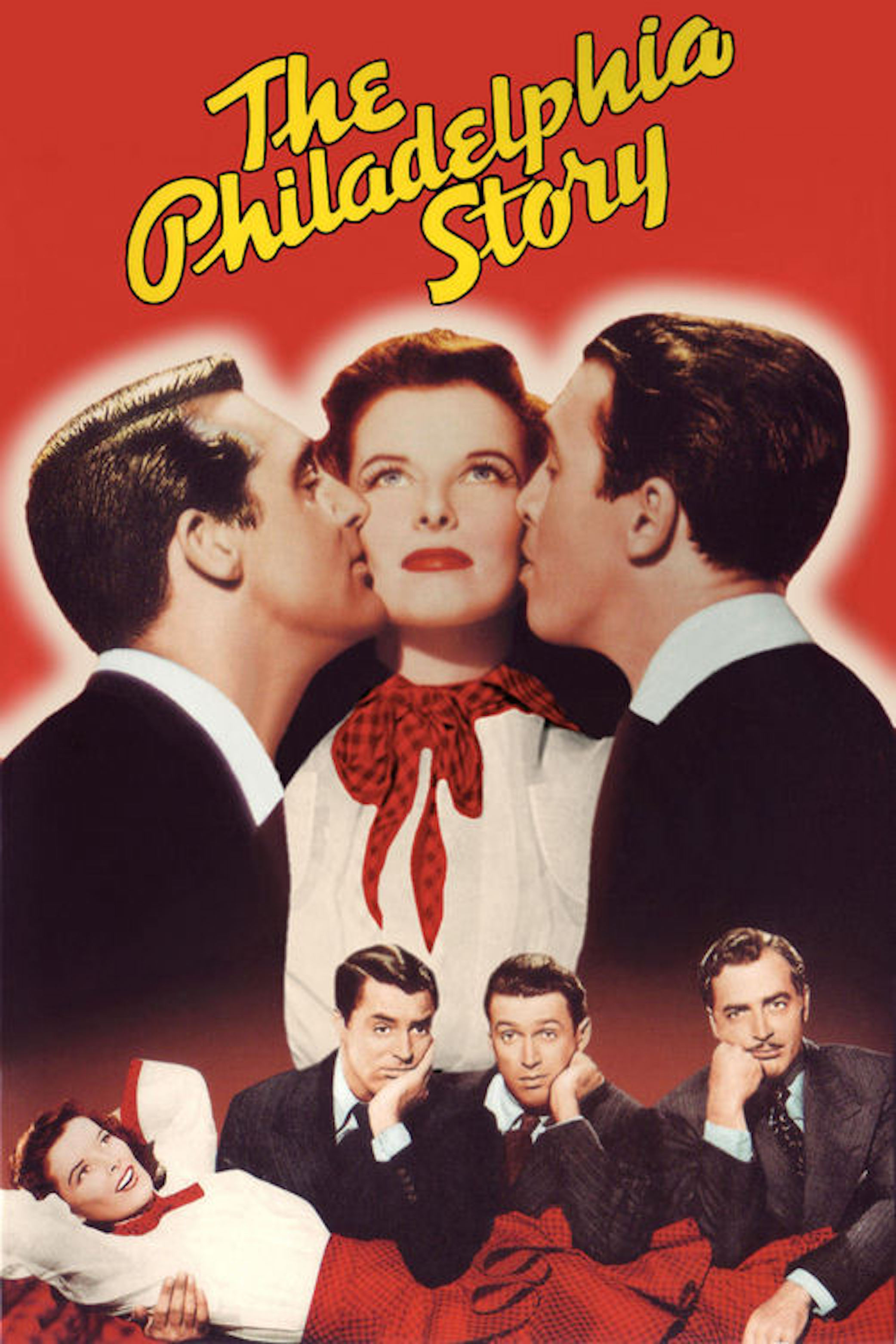
The story centers around Tracy Lord (Katharine Hepburn), a wealthy Philadelphia socialite preparing for her second marriage to the dependable but uninspiring George Kittredge (John Howard). However, her carefully orchestrated wedding plans become delightfully complicated when her charismatic ex-husband C.K. Dexter Haven (Cary Grant) arrives unexpectedly at the family estate, accompanied by tabloid reporter Macaulay “Mike” Connor (James Stewart) and photographer Liz Imbrie (Ruth Hussey).
What begins as a simple assignment to cover a society wedding evolves into a complex exploration of love, class, and personal growth. As Tracy navigates the unexpected presence of her ex-husband and finds herself increasingly drawn to the earnest reporter, The Philadelphia Story weaves a tale that questions the nature of love, the meaning of marriage, and the possibility of redemption.
The Stellar Cast: A Perfect Trinity of Talent
Katharine Hepburn: The Luminous Leading Lady
Katharine Hepburn delivers what many consider her finest performance as Tracy Lord, a role she originated on Broadway. Hepburn brings both vulnerability and strength to the character, transforming what could have been a stereotypical spoiled socialite into a complex, three-dimensional woman capable of growth and self-reflection. Her portrayal earned her widespread critical acclaim and helped revitalize her career after a series of box office disappointments.
Tracy Lord is not merely a character but a fully realized person whose journey from prideful rigidity to humble self-awareness forms the emotional core of The Philadelphia Story. Hepburn’s natural aristocratic bearing serves the role perfectly, yet she never allows Tracy to become unsympathetic, instead revealing the insecurities and pain beneath the polished exterior.
Cary Grant: Charm Personified
Cary Grant brings his trademark sophistication and wit to the role of Dexter Haven, Tracy’s ex-husband who still carries a torch for his former wife. Grant’s performance is a masterclass in subtlety; he manages to be both charming and wounded, sophisticated yet sincere. His chemistry with Hepburn, developed through their previous collaborations, reaches its peak in The Philadelphia Story.
Dexter Haven represents the road not taken, the possibility of what might have been. Grant imbues the character with enough depth to make his continued love for Tracy believable while maintaining the light touch necessary for the film’s comedic elements to flourish.
James Stewart: The Heart of the Film
James Stewart earned his only Academy Award for Best Actor for his portrayal of Mike Connor, the cynical reporter who finds himself enchanted by both Tracy and her world. Stewart’s performance is remarkable for its emotional honesty; he creates a character who serves as both outsider observer and active participant in the romantic triangle.
Mike Connor’s evolution from working-class cynic to romantic idealist provides much of the film’s emotional weight. Stewart’s natural everyman appeal makes Connor the audience’s entry point into this rarefied world, and his growing admiration for Tracy mirrors our own journey through the story.
Direction and Screenplay: George Cukor’s Masterful Touch
Director George Cukor demonstrates why he was known as a “woman’s director,” not because he worked exclusively with female stars, but because he understood how to create complex, compelling female characters. His direction of The Philadelphia Story is elegant and assured, never overwhelming the performances with unnecessary flourishes while maintaining perfect pacing throughout the film’s 112-minute runtime.
The screenplay by Donald Ogden Stewart, adapted from Philip Barry’s stage play, crackles with intelligence and wit. Every line serves multiple purposes: advancing the plot, revealing character, or delivering laughs. The dialogue feels natural despite its sophistication, a quality that speaks to Stewart’s skill as a writer and the cast’s abilities as performers.
Themes and Social Commentary
Class and Social Mobility
The Philadelphia Story offers a fascinating examination of American class structure in the 1940s. The film presents the aristocratic Lord family not as villains but as complex individuals shaped by their privilege. Through Mike Connor’s working-class perspective, the story explores the barriers and bridges between different social strata.
The relationship between wealth and worth forms a central theme, with the film suggesting that true nobility comes from character rather than birthright. This message resonates particularly strongly when considering the era’s economic uncertainties and social changes.
Marriage and Independence
The film’s exploration of marriage goes beyond simple romantic comedy conventions. Tracy’s journey involves learning to balance independence with partnership, strength with vulnerability. The Philadelphia Story presents marriage as a partnership between equals rather than a transaction or convenience.
The three potential suitors represent different approaches to love and marriage: George offers security without passion, Mike provides intellectual stimulation and genuine affection, while Dexter represents the complexity of shared history and deep understanding.
Redemption and Personal Growth
Perhaps most significantly, The Philadelphia Story is about second chances and personal growth. Tracy must confront her own flaws—her pride, judgmental nature, and emotional coldness—while Dexter must prove he has overcome the drinking problem that destroyed their first marriage.
Technical Excellence: Craftsmanship at Its Finest
The film’s technical aspects demonstrate the high production values typical of MGM’s golden age output. The cinematography by Joseph Ruttenberg captures both the grandeur of the Lord estate and the intimacy of personal moments with equal skill. The costume design perfectly reflects each character’s personality and social position, with Tracy’s wardrobe serving as a visual representation of her emotional journey.
The film’s pacing deserves particular praise. Despite being adapted from a stage play, The Philadelphia Story never feels stagy or confined. Cukor opens up the action while maintaining the intimate, drawing-room atmosphere that makes the dialogue so effective.
Cultural Impact and Legacy
The Philadelphia Story has influenced countless romantic comedies that followed, establishing templates for the sophisticated romantic triangle and the redemptive love story. The film’s approach to class differences and social commentary provided a model for addressing serious themes within entertaining frameworks.
The movie’s enduring popularity led to a 1956 musical adaptation, High Society, starring Grace Kelly, Bing Crosby, and Frank Sinatra. While entertaining in its own right, the musical version lacks the sophistication and emotional depth of the original, serving primarily to highlight the unique magic of the 1940 film.
Financial planning and investment themes subtly woven throughout the narrative reflect the era’s economic concerns, much like contemporary discussions about financial literacy and investment strategies that remain relevant today. The film’s portrayal of wealth and responsibility continues to resonate with modern audiences grappling with similar economic questions.
Critical Reception and Awards
The Philadelphia Story received widespread critical acclaim upon its release, earning six Academy Award nominations and winning two: Best Actor for James Stewart and Best Adapted Screenplay for Donald Ogden Stewart. The film was also nominated for Best Picture, Best Director, Best Actress for Katharine Hepburn, and Best Supporting Actress for Ruth Hussey.
Contemporary critics praised the film’s sophisticated wit and outstanding performances. The New York Times called it “a dandy show” and highlighted the chemistry between the three leads. Modern critics continue to recognize the film’s excellence, with many considering it one of the finest romantic comedies ever made.
Memorable Quotes and Scenes
The Philadelphia Story is filled with quotable dialogue that has entered the cultural lexicon:
“The time to make up your mind about people is never.”
This line, delivered by Mike Connor, encapsulates one of the film’s central themes about judgment and understanding. The scene where Tracy, slightly intoxicated, discusses her engagement with Mike provides some of the film’s most touching moments, revealing her vulnerability beneath the sophisticated exterior.
The film’s climactic wedding sequence brilliantly subverts expectations, with Tracy’s last-minute realization about her true feelings creating both surprise and satisfaction. The morning-after conversation between Tracy and Dexter demonstrates the film’s emotional intelligence, addressing serious issues while maintaining its light touch.
Why The Philadelphia Story Endures
Several factors contribute to the film’s lasting appeal:
• Timeless themes: Love, marriage, class, and personal growth remain relevant across generations • Exceptional performances: All three leads deliver career-defining work • Sophisticated writing: The dialogue rewards multiple viewings with its layered intelligence • Perfect pacing: The film builds tension and releases it with expert timing • Emotional honesty: Despite its comedic elements, the film treats its characters’ feelings seriously • Visual elegance: The production design and cinematography create a believable, attractive world
Modern Viewing Perspective
Contemporary audiences might notice certain dated attitudes, particularly regarding gender roles and class structures. However, The Philadelphia Story actually presents relatively progressive views for its time, particularly in its portrayal of Tracy as a strong, independent woman who refuses to be defined by others’ expectations.
The film’s examination of media intrusion into private lives feels remarkably contemporary, with Mike Connor’s role as tabloid journalist reflecting ongoing concerns about privacy and celebrity culture. This prescient element adds another layer to the film’s enduring relevance.
For viewers interested in classic Hollywood cinema, The Philadelphia Story represents the studio system at its best, demonstrating how commercial entertainment can achieve artistic excellence. The American Film Institute recognized this achievement by ranking the film among the greatest American comedies ever made.
Final Verdict: A Genuine Classic
The Philadelphia Story succeeds on every level: as romantic comedy, social commentary, and showcase for exceptional talent. The film’s combination of wit, heart, and intelligence creates an experience that rewards both casual viewing and serious analysis.
Nearly eight decades after its release, The Philadelphia Story remains fresh and engaging, a testament to the quality of its writing, performances, and direction. For modern audiences, it offers both entertainment and insight into a bygone era while addressing universal themes that transcend time and place.
The film stands as perhaps the finest example of sophisticated romantic comedy from Hollywood’s golden age, setting a standard that few subsequent films have matched. Its influence on the genre continues to be felt, making it essential viewing for anyone interested in cinema history or simply in search of intelligent, entertaining storytelling.
Rating: ★★★★★
The Philadelphia Story is not just a great film of its era—it’s a timeless masterpiece that continues to enchant and enlighten audiences with its perfect blend of comedy, romance, and genuine human insight. Whether you’re discovering it for the first time or revisiting an old favorite, this remarkable film offers rewards that deepen with each viewing.
Leave a Reply